
Saddam Hussein (1937–2006) — President of Iraq and controversial leader
Iraqi leader from 1979 to 2003. A Ba'ath Party strongman whose rule included major wars, internal repression and human-rights abuses, ending with his removal in the 2003 US-led invasion and later execution.
Saddam Hussein Abd al‑Majid al‑Tikriti was an Iraqi politician who served as the President of Iraq from 1979 until 2003. A leading figure in the Arab Socialist Ba'ath Party, he centralized power in Baghdad and presided over decades of authoritarian rule in Iraq. His government combined nationalism, state control of key sectors and intense political repression.
Image gallery
10 Images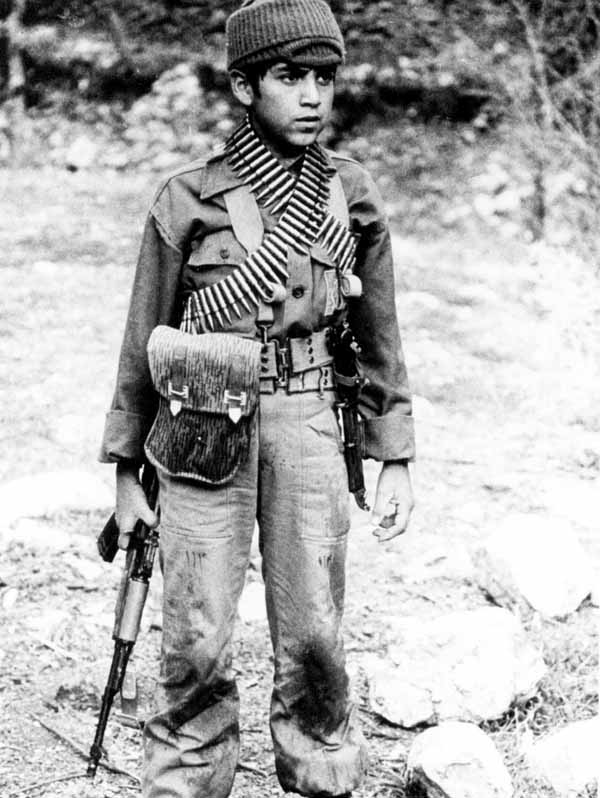




Rise and consolidation of power
Saddam emerged from the Ba'ath movement in the 1960s and became president after internal party shifts in 1979. He built a security apparatus that silenced opposition and promoted loyalty through patronage networks, party structures and intelligence services. His tenure saw ambitious modernization programs alongside brutal suppression of dissent.
Domestic policies and repression
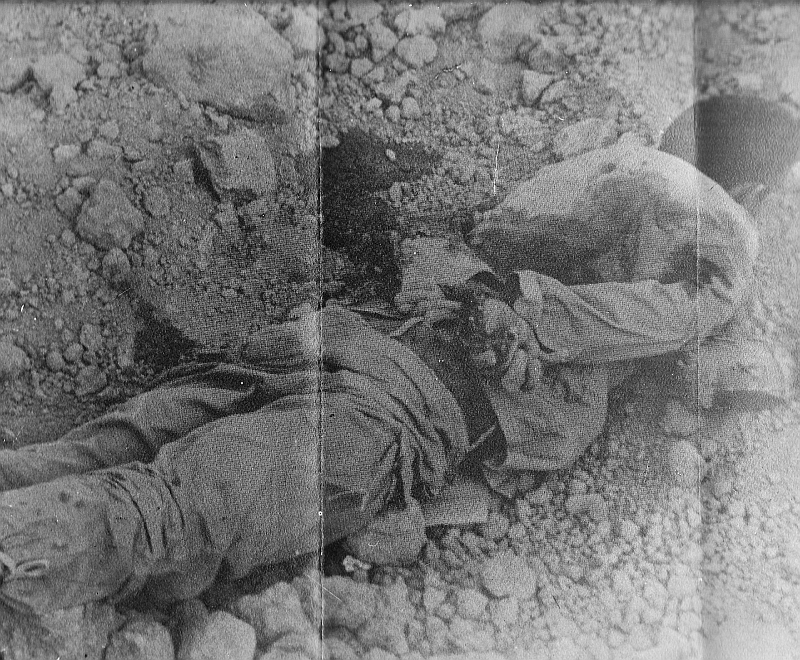
Domestically, the regime promoted state-driven development while maintaining strict control over politics, media and civil society. Political rivals, suspected opponents and minority groups faced imprisonment, forced displacement and executions. Notable human-rights violations and mass reprisals occurred against Kurdish populations and Shi'a communities, events widely cited by scholars and human-rights organizations as part of a pattern of severe abuses.
Foreign wars and international relations
Saddam's foreign policy included two major conflicts that reshaped the region: a prolonged war with Iran (1980–1988) and the 1990 invasion of Kuwait, which triggered the 1991 Gulf War and international sanctions. These campaigns, and his willingness to use extreme measures in conflict, contributed to widespread loss of life and long-term regional instability. Observers link his rule to both direct wartime deaths and campaigns that some have characterized as genocide or large‑scale atrocities; estimates of total casualties vary and are subject to ongoing study.
Downfall, trial and execution
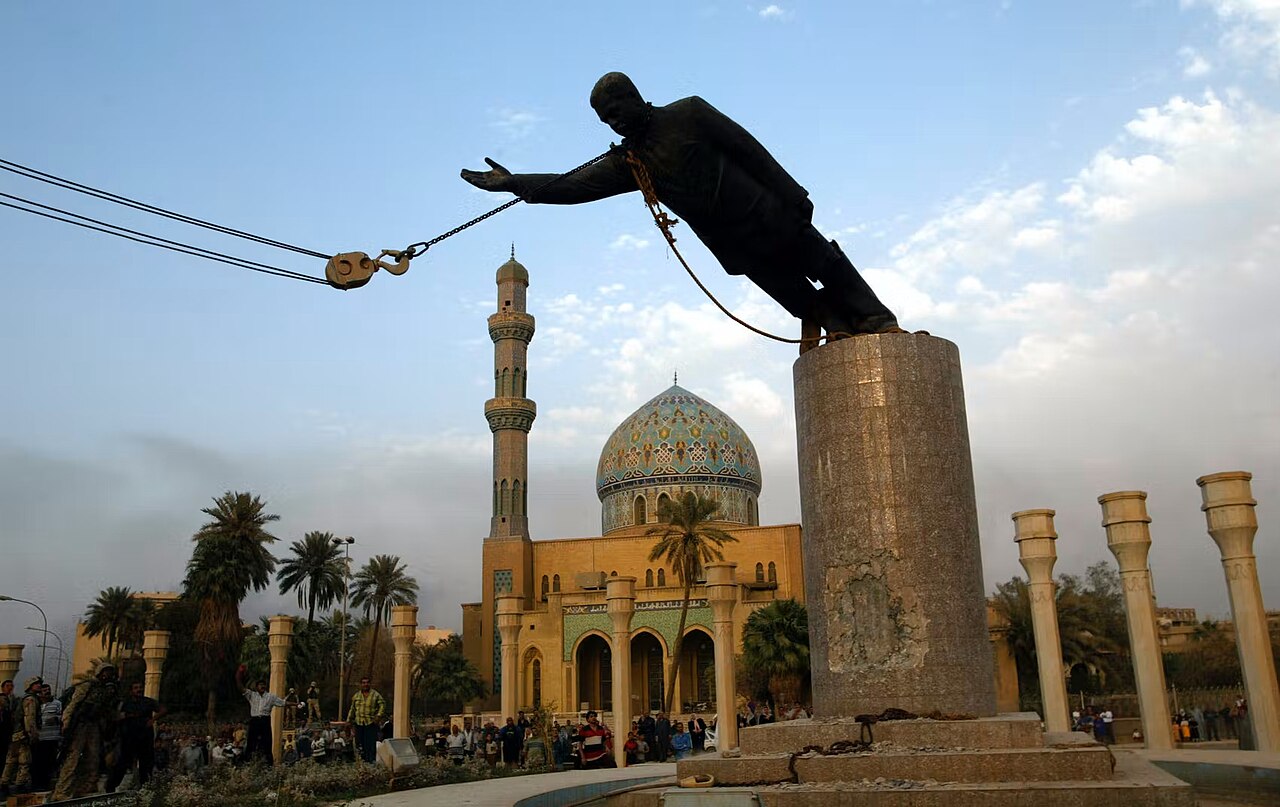
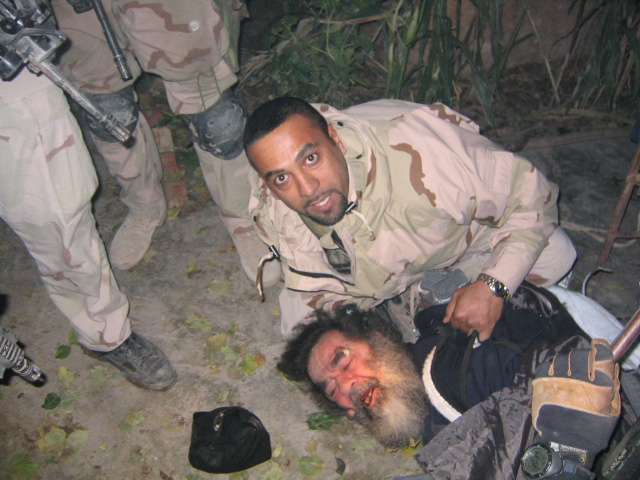
In 2003 a multinational coalition led by the United States invaded, citing security concerns and alleged weapons programs. The invasion toppled Saddam's government during the War in Iraq. He was captured later that year, tried by an Iraqi court for crimes against humanity and executed in 2006. His removal and the post‑invasion period produced contested accounts of responsibility, reconstruction challenges and prolonged violence.
Legacy and historical assessment
Saddam is remembered as a transformational but polarizing figure: a modernizer who also governed through coercion and fear. Analysts emphasize the interplay of ideology, personal rule and regional ambition in his career. The human cost of his policies—through war, repression and population displacement—continues to shape Iraqi politics and memory. For broader context on related events and terminology, see entries on war and on governance in contemporary Iraq (Iraq).
- Key events: 1979 accession; Iran–Iraq War; 1990 invasion of Kuwait; 2003 ouster.
- Notable incidents: Anfal campaign and Halabja chemical attack are widely documented examples of severe state violence.
- Aftermath: long debates over reconstruction, accountability and regional consequences.
Further reading and primary documents can be found via reputable historical and human-rights sources. See also regional studies on Middle Eastern politics and modern Iraqi history.
Questions and answers
Q: Who was Saddam Hussein?
A: Saddam Hussein was the President of Iraq from July 16, 1979, to April 9, 2003.
Q: When was Saddam Hussein born and when did he die?
A: Saddam Hussein was born on April 28, 1937, and he died on December 30, 2006.
Q: Why was Saddam Hussein removed from his position as President of Iraq?
A: Saddam Hussein was removed from his position during the War in Iraq led by the United States.
Q: How long did Saddam Hussein stay in power?
A: Saddam Hussein was the President of Iraq for over 23 years, from July 16, 1979, to April 9, 2003.
Q: How many people did Saddam Hussein allegedly kill during his time as president?
A: Saddam Hussein allegedly killed more than a million people through war and genocide during his time as president.
Q: Did Saddam Hussein admit to killing people during his presidency?
A: Saddam Hussein denied the accusations that he killed more than a million people through war and genocide during his time as president.
Q: What is Saddam Hussein's full name?
A: Saddam Hussein's full name is Saddam Hussein Abd al-Majid al-Tikriti.
Author
AlegsaOnline.com Saddam Hussein (1937–2006) — President of Iraq and controversial leader Leandro Alegsa
URL: https://en.alegsaonline.com/art/130296