
Likud: Israel's principal right‑wing political party
Likud (HaLikud) is a major Israeli political party formed in 1973. Associated with conservative, nationalist and Zionist positions, it has been a dominant force in Israeli politics and government.
Likud (Hebrew: הליכוד, HaLikud, officially HaLikud–National Liberal Movement) is one of Israel's principal political parties. Founded as an alliance of right‑leaning and liberal nationalist groups, it developed into a broad conservative movement that has played a central role in Israeli politics since the 1970s. The party is commonly identified with a nationalist Zionist outlook, a market‑oriented economic approach and a strong emphasis on security and territorial considerations. For the party's own statements and materials see Likud official site.
Image gallery
9 Images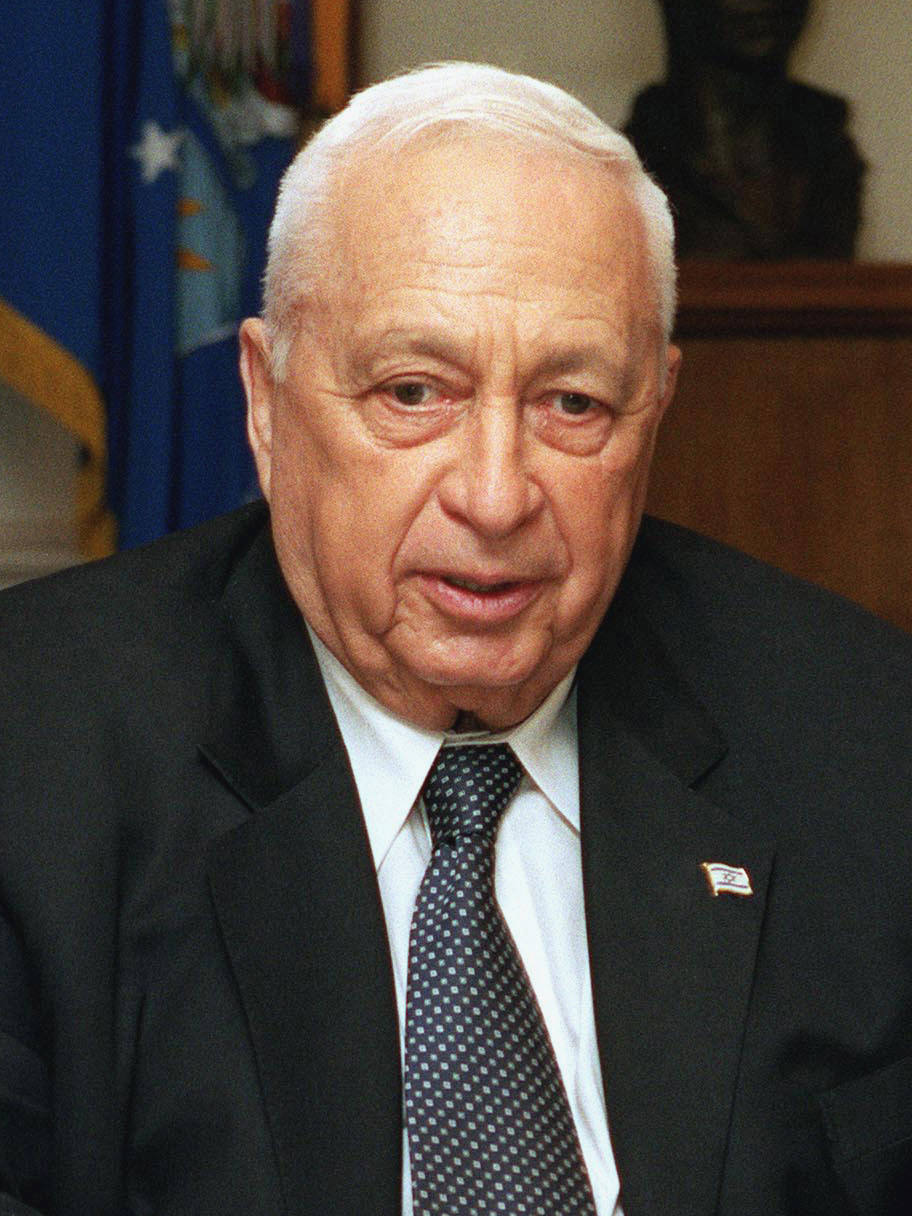


Ideology and platform
Likud's platform combines elements of nationalism, liberal economic policy and social conservatism. It is widely described as a conservative and right‑of‑centre formation that prioritizes national security, a skeptical approach to territorial concessions, and deregulation or privatization in the economy. Within the party there are multiple currents, ranging from classical liberal economic advocates to religious and nationalist conservatives, which has allowed Likud to appeal to a wide constituency.
Origins and development
The party traces its origins to 1973, when several parties joined in an electoral alliance to contest national elections. The formal founding is usually dated to 1973, when conservative and nationalist groups united to challenge the long‑dominant left‑of‑centre Mapai and its successors. Important antecedent organizations included Gahal, the historical revisionist movement Herut, and the Liberal Party. Over time the alliance coalesced into a single party, absorbing additional factions and reshaping itself through internal leadership contests and platform debates. Founding figures associated with the party's early consolidation include Menachem Begin and Yitzhak Shamir, both of whom later served as prime ministers.
Leadership and role in government
Likud has produced several prime ministers and has been a frequent leader or partner in ruling coalitions. The party's most prominent contemporary leader is Benjamin Netanyahu, who has served multiple terms as prime minister. Likud has led or taken part in a variety of coalition governments, including unity arrangements and narrower right‑leaning coalitions. In the 24th Knesset the party held 29 seats, and its parliamentary strength has fluctuated across electoral cycles as political competition and coalition math changed.
Characteristics and internal structure
- Broad internal coalition: secular liberals, nationalists and religious conservatives coexist within the party and influence policy priorities.
- Organizational features: a party leadership elected by members, local branches, and affiliated youth and professional networks.
- Policy focus: national security, economic liberalization, Jewish national identity and, at times, skepticism toward negotiated territorial compromises.
Electoral significance and public impact
Likud's rise in the 1970s marked a major realignment in Israeli politics, ending decades of Labor alignment in national government and introducing a durable right‑of‑centre alternative. The party has shaped Israel's security posture, settlement policy debates, economic reforms and diplomatic orientations in different periods. It has also been a central actor in debates about the judiciary, civil‑military relations and minority rights, reflecting its wide ideological range and the political tensions of governing in a parliamentary system.
Notable facts and distinctions
- Founding coalition: the party formed from a merger of several groups rather than emerging as a single new movement.
- Prominent leaders: a number of Likud figures have been national leaders; the party's internal contests often influence national direction.
- Coalition politics: Likud typically governs through alliances with smaller parties, reflecting Israel's multiparty system.
Because Likud encompasses diverse tendencies, descriptions of its positions sometimes vary depending on which faction or leader is emphasized. For summaries of specific electoral platforms, leadership biographies and current parliamentary activity consult the party materials and parliamentary records via the links above.
Related articles
Author
AlegsaOnline.com Likud: Israel's principal right‑wing political party Leandro Alegsa
URL: https://en.alegsaonline.com/art/58008