
Bloodletting: history, methods, medical uses, and legacy
Bloodletting is the historical practice of withdrawing blood to treat illness. This article reviews its rationale, techniques (leeches, phlebotomy, cupping), decline, modern therapeutic uses and risks.
Overview
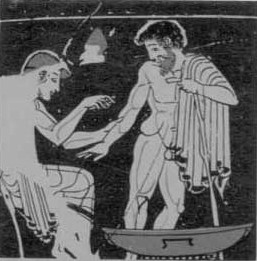
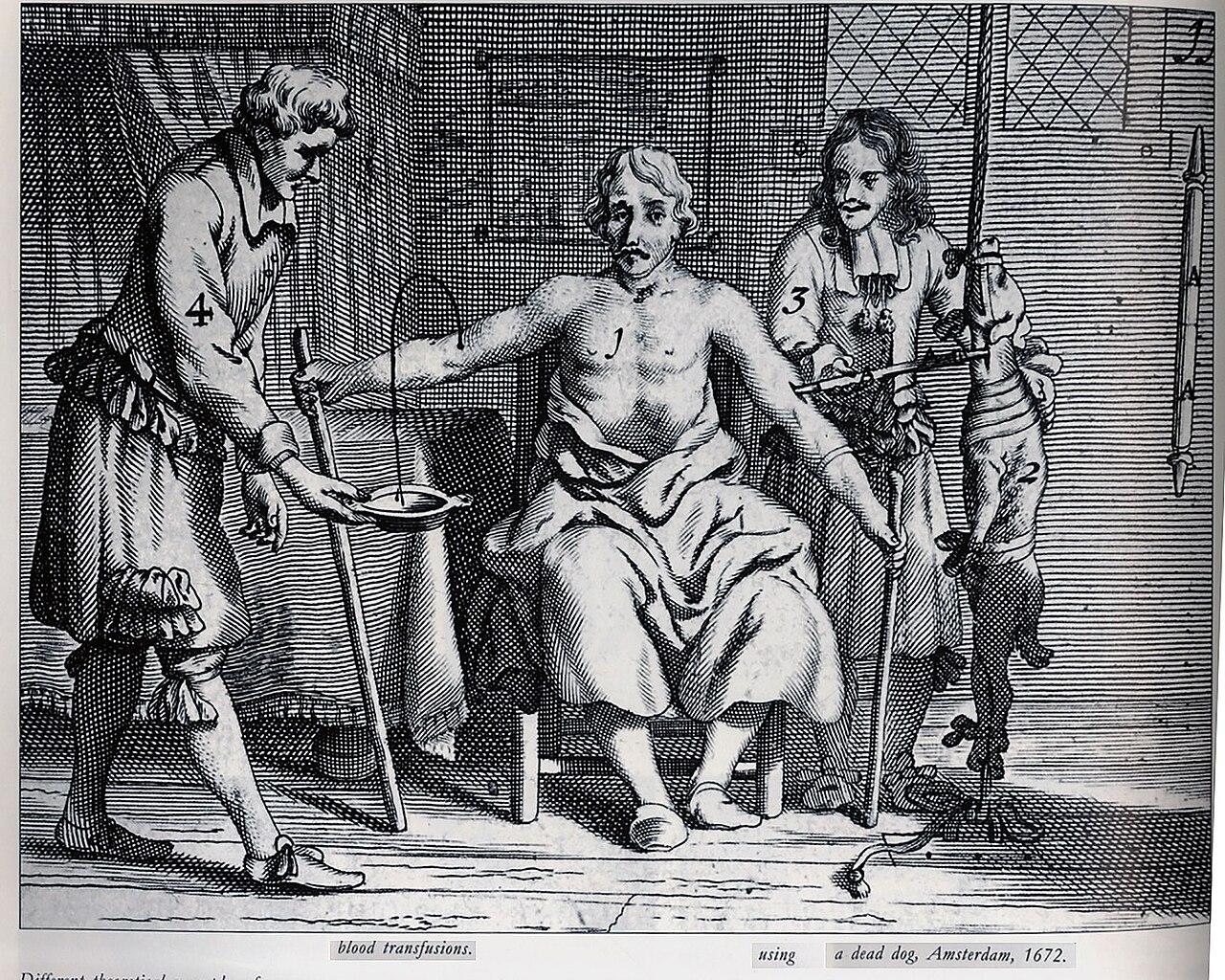
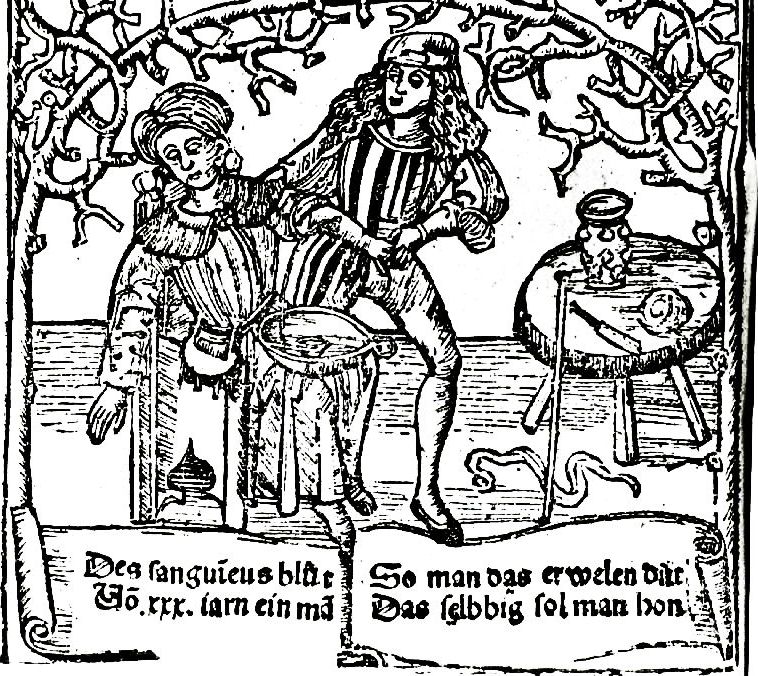
Bloodletting is the deliberate withdrawal of blood from a living person as a medical intervention. Historically it was performed to treat a wide range of ailments and is distinct from modern voluntary blood donation, which is intended for transfusion and public health. For centuries physicians and lay practitioners believed that removing blood could restore bodily balance or relieve dangerous excesses. In modern medicine the technique survives in tightly specified situations, usually called therapeutic phlebotomy, rather than as a general cure.
Image gallery
10 Images



Rationale and beliefs
The theoretical basis for routine bloodletting in premodern medicine was the system often summarized as humoral theory. According to that framework, health depended on the balance of bodily fluids, and illness resulted from an excess or corruption of one of the humors. Practitioners sought to reduce perceived excesses by withdrawing blood from a patient to relieve a disease or symptom. Other explanations for benefit included temporary reduction of blood volume and circulation changes, which could transiently lower blood pressure or ease congestive symptoms.
History and development
Bloodletting has roots in antiquity and was ubiquitous through the ancient world and the medieval period. It remained a mainstream medical practice into the 18th and 19th centuries. Changes in medical theory, the rise of clinical observation and statistical approaches, and better understanding of physiology contributed to its abandonment as a routine remedy by the late 19th century. The older humoral ideas that justified bloodletting are commonly referred to as Humorism, and the long tenure of the practice reflects both the limits of premodern medical knowledge and the authority of established physicians.
Techniques and instruments
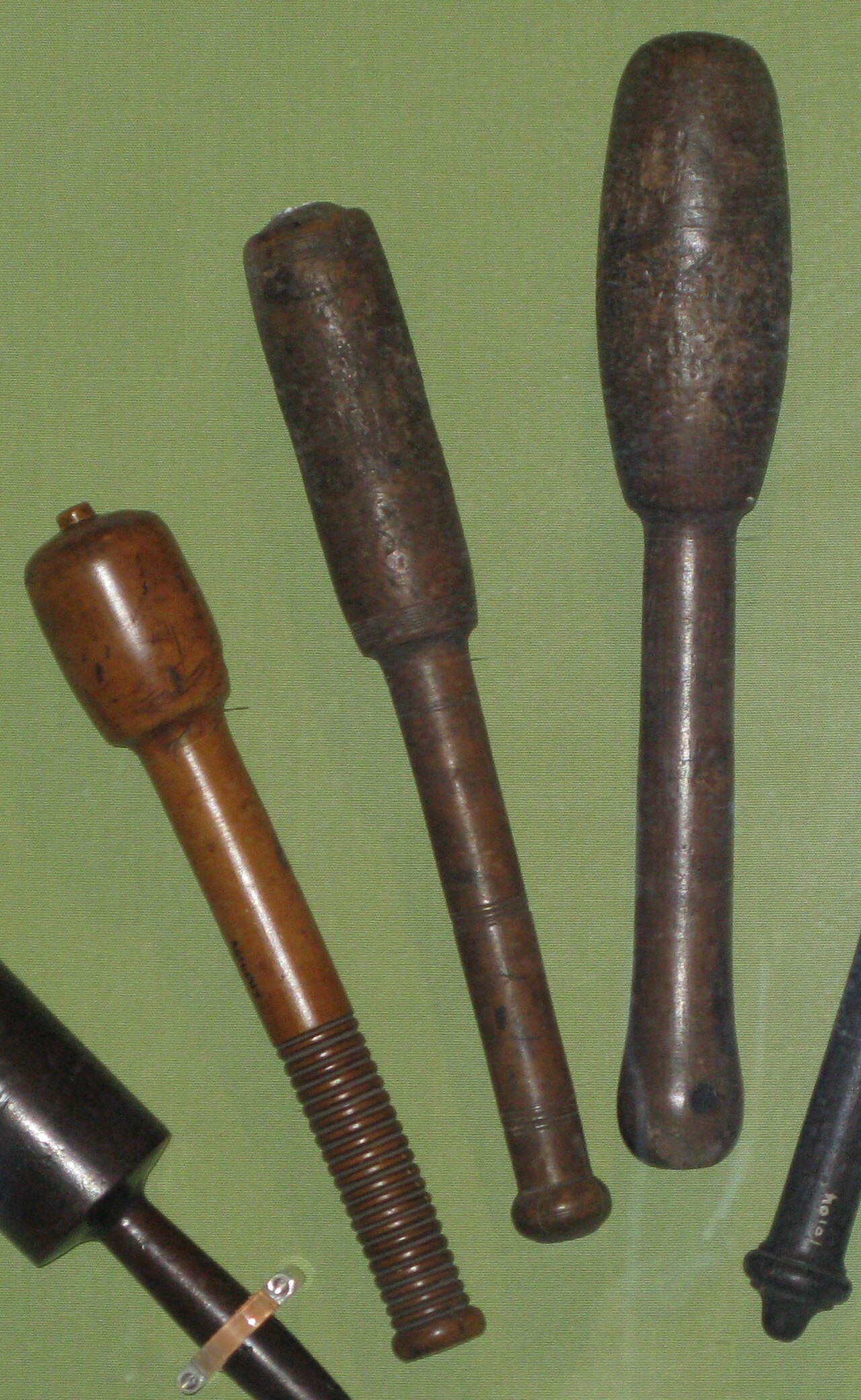
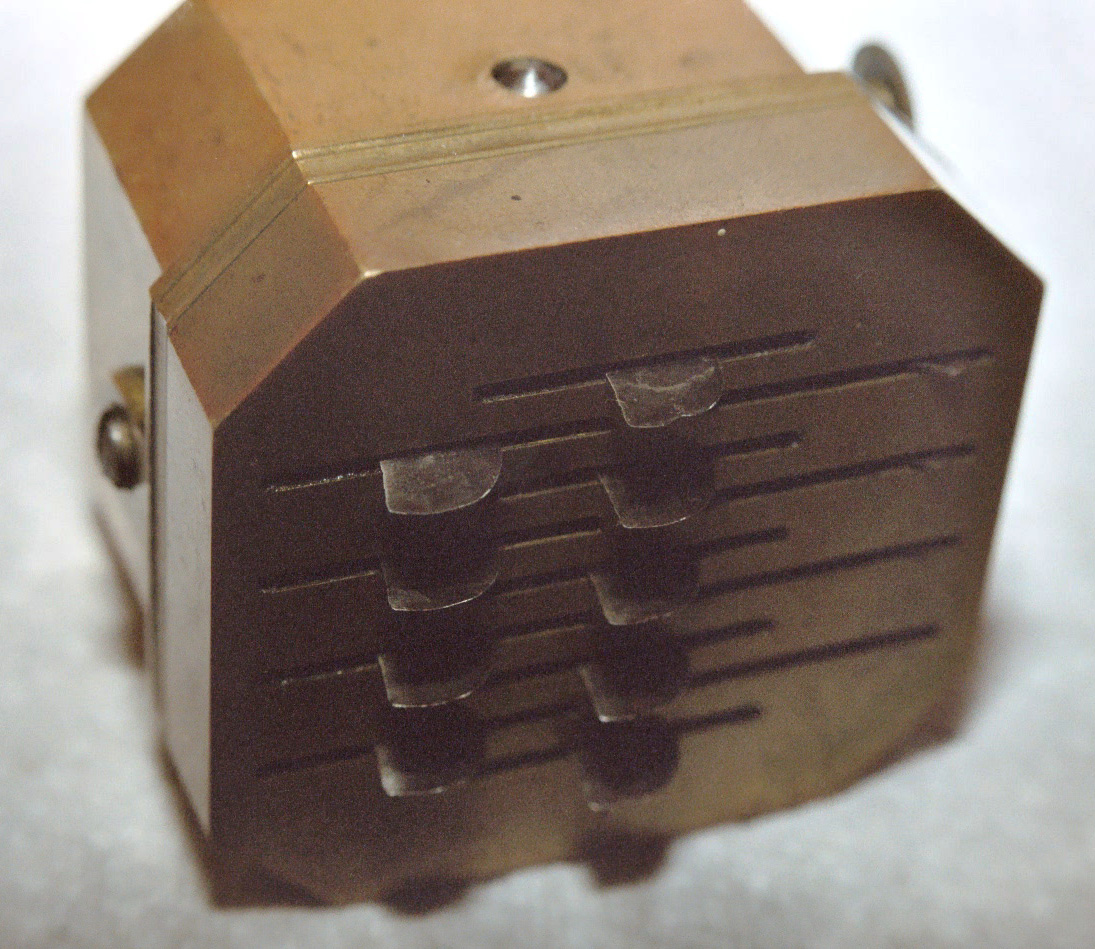
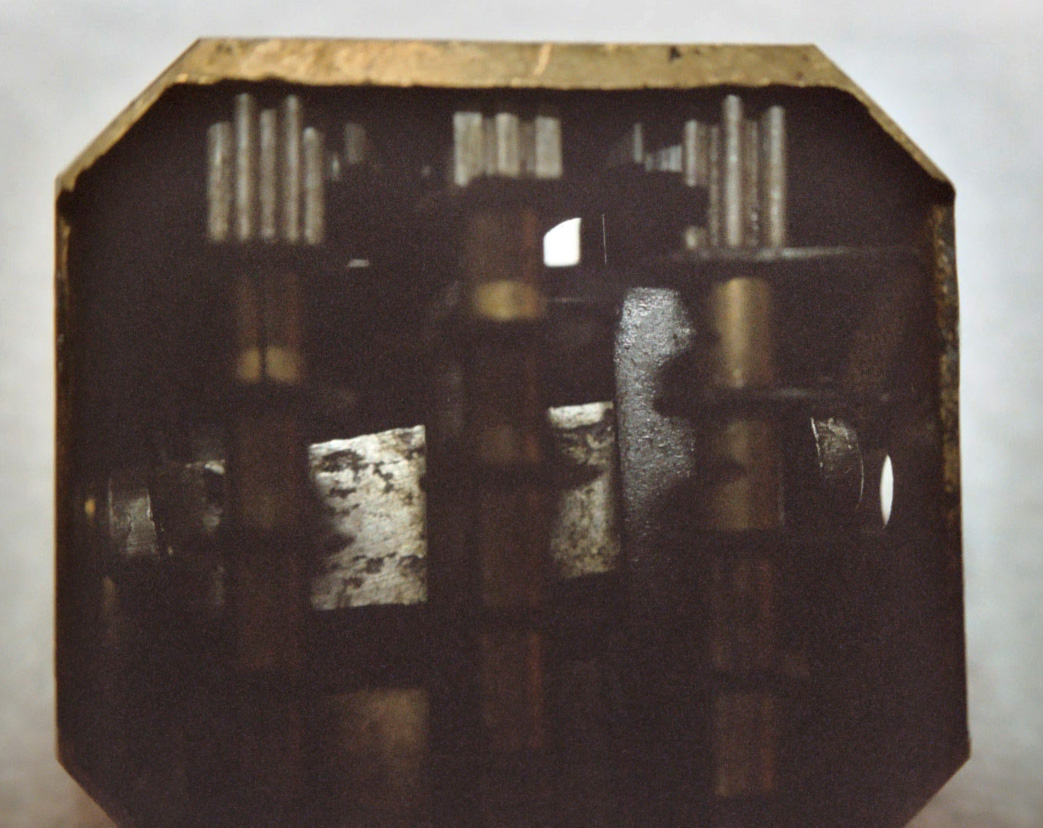
Methods ranged from simple venous phlebotomy with a blade or lancet to scarification, cupping (creating skin cups to draw blood to the surface), and the application of medicinal leeches. Instruments included fleams, scarificators and glass cups. These techniques could be performed in different body locations and with varying volumes of blood removed. In many eras barbers performed routine bloodletting as part of commonly available care.
Modern medical uses and risks
Today, routine bloodletting as a general cure is abandoned, but therapeutic phlebotomy is an accepted treatment for specific conditions in which reducing red blood cell mass or iron stores is beneficial. Examples include polycythemia vera and hereditary hemochromatosis. In those disorders controlled removal of blood improves symptoms and decreases risks associated with excess cellular or mineral content. Uncontrolled or excessive bloodletting historically caused weakness, syncope, infection and sometimes death; many past harms arose from misunderstandings of disease mechanisms and the lack of sterile technique.
Legacy and distinctions
The history of bloodletting illustrates how medical practices reflect contemporary theories and technologies. It contrasts with voluntary modern donation systems and with regulated therapeutic interventions guided by laboratory tests and clinical trials. Understanding bloodletting helps explain shifts in medical authority, the move toward evidence-based care, and the continuing role of targeted phlebotomy in specific hematologic disorders.
Related topics
- Blood donation
- Withdrawing blood (techniques)
- Patient care and consent
- Historical treatments for disease
- Ancient medical practices
- Medieval medicine
- 19th-century medical reform
- Humorism
- Physician roles in history
- Medical practitioners and training
- Hypertension (historical context)
- Blood volume and circulation
- Diagnostic advances
- Red blood cells
- Blood viscosity and disorders
Related articles
Author
AlegsaOnline.com Bloodletting: history, methods, medical uses, and legacy Leandro Alegsa
URL: https://en.alegsaonline.com/art/12271
Sources
- sciencemuseum.org.uk : "Bloodletting"
- articles.latimes.com : "Modern Bloodletting and Leeches"
- pbs.org : "Bloodletting Over the Centuries"
- jameslindlibrary.org : "Why fair tests are needed"