
Boil (skin infection)
A boil is a painful, pus-filled skin infection (furuncle) that develops around a hair follicle. This article explains causes, symptoms, treatment options, prevention, and when to seek medical care.
Overview
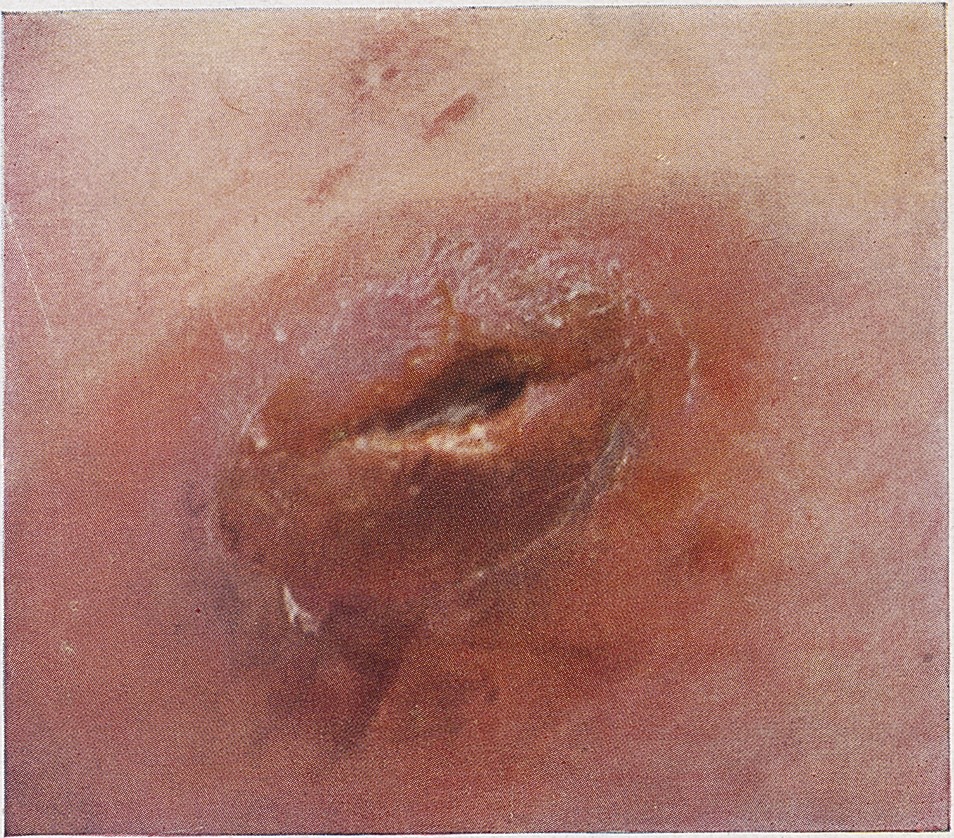
A boil (also called a furuncle) is a localized skin infection that begins in a hair follicle or oil gland. It forms a red, swollen, tender lump that fills with pus as the body fights the bacteria. Boils are a common type of skin infection and can appear anywhere on the body, though they are most frequent where friction or sweat occurs.
Image gallery
2 Images
Causes and characteristics
Boils most often result from bacteria entering the skin; Staphylococcus aureus is a common culprit. Early signs include a firm, painful bump that becomes softer and more fluctuant as pus collects. Multiple adjoining boils can form a larger infected mass called a carbuncle.
Treatment and home care
Mild boils sometimes resolve on their own. Common self-care measures include warm compresses to encourage drainage and gentle hygiene to keep the area clean. Avoid squeezing or forcibly popping a boil, which can spread infection. If a boil is large, persistent, extremely painful, or accompanied by fever, professional care may be required; a clinician can perform safe incision and drainage and, when appropriate, prescribe antibiotics.
Prevention and risk factors
- Good skin hygiene and wound care reduce risk.
- People with diabetes, weakened immune systems, or recurrent boils may be more susceptible.
- Avoid sharing personal items like towels or razors.
When to seek medical attention
- Boils that grow rapidly, become very painful, or are near the eyes or spine.
- Signs of spreading infection (increasing redness, streaks, fever).
- Recurrent or multiple boils. In these cases consult a healthcare professional for evaluation and treatment, including possible culture or referral to a specialist.
For basic guidance on managing symptoms and wound care, see a reliable consumer health source: patient information.
Related articles
Author
AlegsaOnline.com Boil (skin infection) Leandro Alegsa
URL: https://en.alegsaonline.com/art/12712