
Blue-baby syndrome: causes, diagnosis, treatment and history
Blue-baby syndrome describes cyanosis in infants caused by congenital heart defects or noncardiac conditions (notably methemoglobinemia); diagnosis and management vary by cause.
Blue-baby syndrome is a non‑specific term used to describe an infant with central cyanosis — a bluish discoloration of the skin and mucous membranes caused by reduced oxygen content in arterial blood. The appearance arises when the amount of oxygenated blood reaching the tissues is substantially lowered or when hemoglobin cannot carry oxygen normally. The phrase is most often applied to newborns and young infants and covers a range of underlying medical problems rather than a single disease.
Image gallery
8 Images


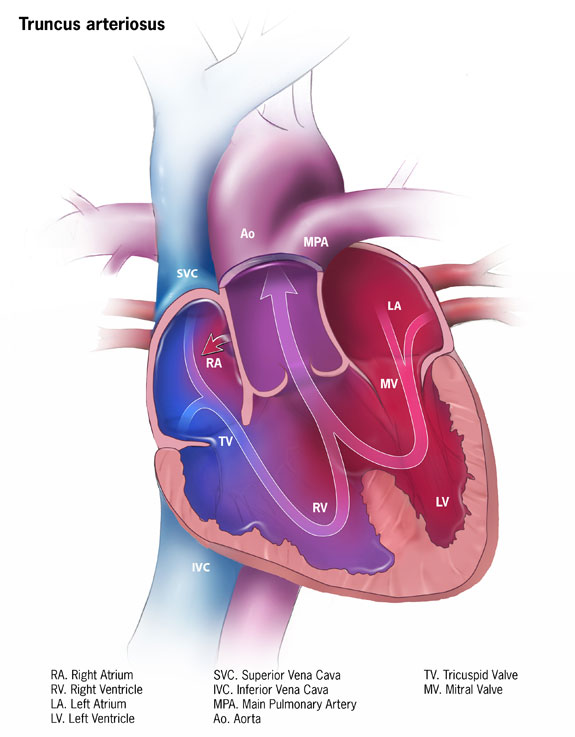


Common causes
- Congenital heart defects that produce right‑to‑left shunting of blood (deoxygenated blood bypasses the lungs and mixes into the systemic circulation).
- Methemoglobinemia, a blood disorder in which hemoglobin is chemically altered and cannot bind oxygen effectively; in infants this is commonly associated with nitrate contamination of drinking water or formula preparation.
- Severe respiratory or pulmonary vascular disease leading to inadequate oxygen uptake in the lungs.
- Other causes such as airway obstruction, severe hypoventilation, or persistent pulmonary hypertension of the newborn.
Cardiac causes include several congenital malformations such as tetralogy of Fallot, transposition of the great arteries, truncus arteriosus, pulmonary or tricuspid atresia, and large ventricular septal defects that create chronic right‑to‑left shunts. Noncardiac causes require different diagnostic and therapeutic approaches, so distinguishing the mechanism is a clinical priority.
How it develops
In many infants with structural heart disease the problem is anatomical: an abnormal communication inside the heart or between major vessels allows venous (deoxygenated) blood to mix with arterial blood. This lowers arterial oxygen saturation and produces visible cyanosis. In methemoglobinemia the blood itself has impaired oxygen‑carrying capacity despite normal lung function, so oxygen measurements and the response to supplemental oxygen differ from those seen with simple hypoxia.
Presentation and diagnosis
Clinically, affected infants appear dusky or blue, often at rest or when crying; feeding difficulties, rapid breathing, and poor weight gain are common. Diagnosis begins with pulse oximetry and arterial blood gas analysis. A hyperoxia test, chest radiography, electrocardiography and echocardiography help separate cardiac from pulmonary causes. Specific laboratory tests can detect methemoglobin. Early and accurate identification guides urgent therapy: cardiac lesions may need prostaglandin to keep the ductus arteriosus open, while methemoglobinemia may respond to methylene blue.
Treatment and prognosis
Treatment depends on cause and severity. For cyanotic congenital heart disease, initial measures include oxygen, stabilization of breathing and circulation, and sometimes prostaglandin E1 infusion to maintain ductal flow. Many defects are treated with palliation (for example, historical systemic‑to‑pulmonary shunts) followed by definitive surgical repair or catheter‑based interventions. Noncardiac causes are managed according to their mechanism: methylene blue for methemoglobinemia, removal of nitrate sources, or intensive respiratory support for pulmonary failure. Outcomes vary widely by diagnosis, the timing of intervention and associated anomalies.
History and notable facts
The first widely reported successful palliative operation for infants with cyanotic congenital heart disease — a systemic‑to‑pulmonary artery shunt — was performed at Johns Hopkins on November 29, 1944. The collaboration of pediatric cardiologist Helen Taussig, surgeon Alfred Blalock and surgical technician Vivien Thomas is a landmark in cardiac surgery; the procedure proved that surgical correction could dramatically improve survival and quality of life for many "blue babies." In later decades members of the team and their contributions received formal recognition, including an honorary degree awarded by the institution to Vivien Thomas in 1976.
Because the term "blue‑baby syndrome" covers different mechanisms, modern care favors precise diagnostic terms such as "cyanotic congenital heart disease" or "infant methemoglobinemia". Public health measures — including safe drinking water, newborn screening, timely referral for cardiology evaluation, and advances in pediatric cardiac surgery — have substantially reduced mortality and improved long‑term outcomes for affected infants.
Related articles
Author
AlegsaOnline.com Blue-baby syndrome: causes, diagnosis, treatment and history Leandro Alegsa
URL: https://en.alegsaonline.com/art/12328
Sources
- jhu.edu : "Hopkins pioneered 'blue baby' surgery 50 years ago 'I remember ... thinking tt was impossible'"
- medicalarchives.jhmi.edu : "Vivien T. Thomas, L.L.D."
- medicinenet.com : medicinenet.com