
Medical laboratory (clinical laboratory)
Organization and role of medical (clinical) laboratories: functions, major disciplines, workflow, history, and their role in diagnosis, public health and transfusion services.
A medical laboratory, often called a clinical laboratory, is a specialized facility where tests are performed on biological specimens to provide information about a patient’s health. Such institutions process samples, generate quantitative and qualitative data, and communicate results that support diagnosis, treatment decisions, screening and disease monitoring. Laboratories range from small hospital units to large reference centers and may be referred to generically as a clinical laboratory or a medical testing facility.
Specimens handled in these settings include whole blood, serum or plasma, urine, swabs, tissue biopsies and other body fluids. Testing aims vary: confirming or excluding disease, measuring therapeutic drug levels, detecting infection, screening for inherited disorders, or ensuring safe blood transfusion. Results are interpreted alongside clinical information and returned to ordering clinicians to guide care; public health authorities also rely on aggregated laboratory data for surveillance.
Image gallery
5 Images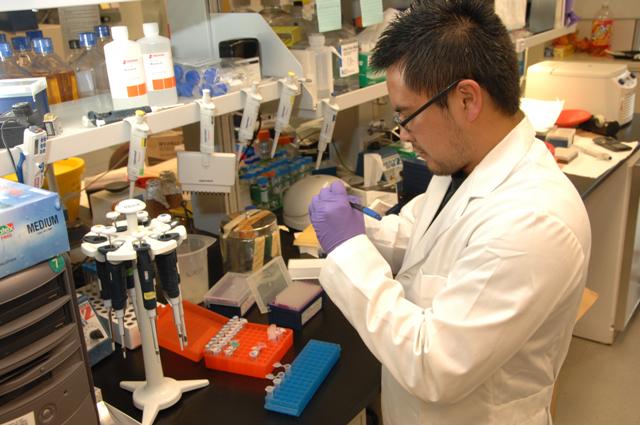


Major disciplines and typical analyses
- Chemistry: measurement of electrolytes, enzymes, metabolites and biomarkers to assess organ function and metabolic status (clinical chemistry).
- Immunology: detection of antibodies, antigens and immune markers used in infection diagnosis and autoimmune disease testing (immunoassays).
- Hematology: evaluation of blood cells and coagulation, including complete blood counts and clotting studies (hematology).
- Microbiology: identification and susceptibility testing of bacteria, viruses, fungi and parasites (clinical microbiology).
- Transfusion medicine: blood typing, crossmatching and component preparation for safe transfusion (blood bank).
Alongside these core areas, many laboratories perform molecular diagnostics, cytopathology and toxicology. Modern labs increasingly use automated analyzers, laboratory information systems and molecular platforms to improve throughput and accuracy. Routine quality assurance, calibration and participation in external proficiency testing are essential to maintain reliable results.
Operationally, labs employ a multidisciplinary team: medical laboratory scientists and technicians who run assays, clinical pathologists who oversee interpretation, and support staff for logistics and data management. Safety practices, specimen tracking and regulatory accreditation are central concerns; many laboratories follow national or international standards and reporting requirements to protect patients and ensure consistent performance.
Historically, clinical laboratories developed as medical science advanced: the foundation of bacteriology and clinical chemistry expanded laboratory roles from simple chemical analyses to complex diagnostic panels and genetic testing. In recent decades, immunoassays and molecular methods have transformed sensitivity and specificity for many conditions. Laboratories also play a crucial role in outbreak response, screening programs and clinical research.
Examples of common tests include glucose and lipid panels from chemistry, antibody screens from immunology, complete blood counts from hematology, culture and PCR tests from microbiology, and blood grouping from transfusion services. Point-of-care testing complements central labs by providing rapid bedside results for time-sensitive decisions, although central laboratories remain the backbone for comprehensive diagnostics and quality-controlled testing for hospitals and public health systems. For further reading see overview resources, workforce guides at profession portals, specimen handling advice here, and technology updates at platform summaries. Additional practical guidance appears in clinical guidelines (practice links) and discipline-specific references (general, testing, hematology, microbiology, transfusion).
Related articles
Author
AlegsaOnline.com Medical laboratory (clinical laboratory) Leandro Alegsa
URL: https://en.alegsaonline.com/art/63412
Sources
- hrs.osu.edu : "High quality healthcare begins with accurate testing"