
Body modification: practices, history, meanings and safety
Overview of body modification — permanent and long-term alterations such as piercings, tattoos and circumcision — with types, cultural history, motives, and health and legal considerations.
Body modification refers to intentional changes to the human body that are permanent or long-lasting. These alterations range from common practices such as ear piercing and tattoos to surgical or ritual procedures like circumcision. Modifications can be decorative, cultural, religious, medical, or personal, and nearly every society has at some point practised some form of body alteration.
Image gallery
5 Images


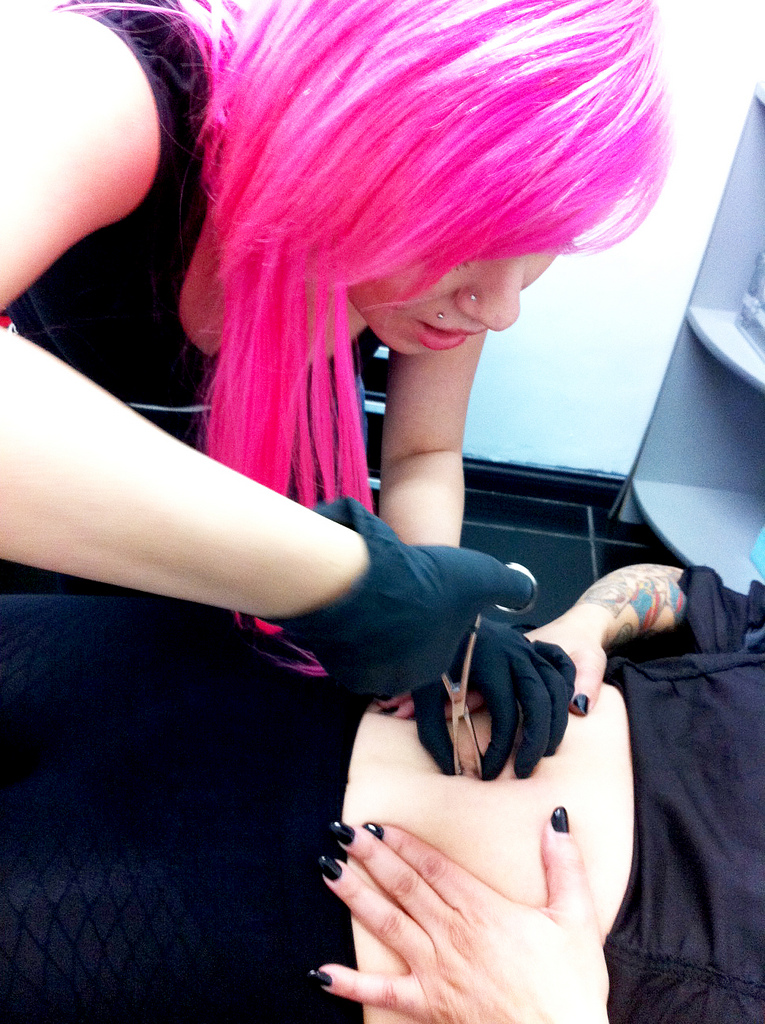

Forms and techniques
Practices vary by technique and permanence. Typical categories include:
- Piercing and stretching of soft tissue (ears, lips, nostrils, stretched lobes).
- Inked designs and pigment alterations (tattoos, scar camouflage).
- Intentional scarring, branding and scarification.
- Surgical modifications and implants (subdermal implants, cosmetic surgery).
- Dental modification, body suspension, and other less common or modern interventions.
History and cultural significance
Body modification has deep historical roots. Across cultures it has marked group identity, social status, rites of passage, spiritual beliefs or marital eligibility. Some forms, such as tattooing and piercing, appear in archaeological records worldwide, while other practices developed in particular religious or ethnic traditions. Over time meanings and aesthetics have shifted as techniques, materials and social attitudes changed.
Motivations and meanings
Individuals modify their bodies for many reasons: cultural belonging, religious obligation, aesthetic preference, personal expression, commemoration of events, or medical necessity. A single modification can hold multiple meanings simultaneously — for example, a ritual scar may both identify a community member and symbolize endurance.
Health, safety and legal considerations
Because modifications often break skin or alter tissue, safety is a major concern. Proper hygiene, trained practitioners, aftercare and informed consent reduce risks such as infection, allergic reaction or unwanted scarring. Laws differ by country and region: some procedures are regulated, age-restricted or performed only by licensed professionals, while traditional or informal practices may fall under different oversight.
Contemporary trends and distinctions
In modern contexts body modification intersects with fashion, subcultures and medicine. Some modifications are reversible or temporary, others are intentionally permanent. Distinctions to note include cosmetic surgery (often medicalized) versus cultural ritual, and therapeutic procedures versus aesthetic choices. For further reading on particular procedures see specialist sources and practitioners, and consult local regulations before proceeding.
Related articles
Author
AlegsaOnline.com Body modification: practices, history, meanings and safety Leandro Alegsa
URL: https://en.alegsaonline.com/art/12619