
Blood donation: purpose, procedures, safety, and history
An overview of voluntary blood donation: what is donated, how it is collected and tested, common uses, safety measures, and a brief history of modern blood banking.
Overview
Blood donation is the voluntary act of giving whole blood or selected blood components so they can be used to treat patients or manufactured into medical products. Donated blood supports blood transfusions for surgery, trauma and chronic illness, and can be processed into plasma-derived medicines. Unlike historical practices such as bloodletting, modern donation is safe, regulated and intended to benefit recipients without harming donors.
Image gallery
10 Images


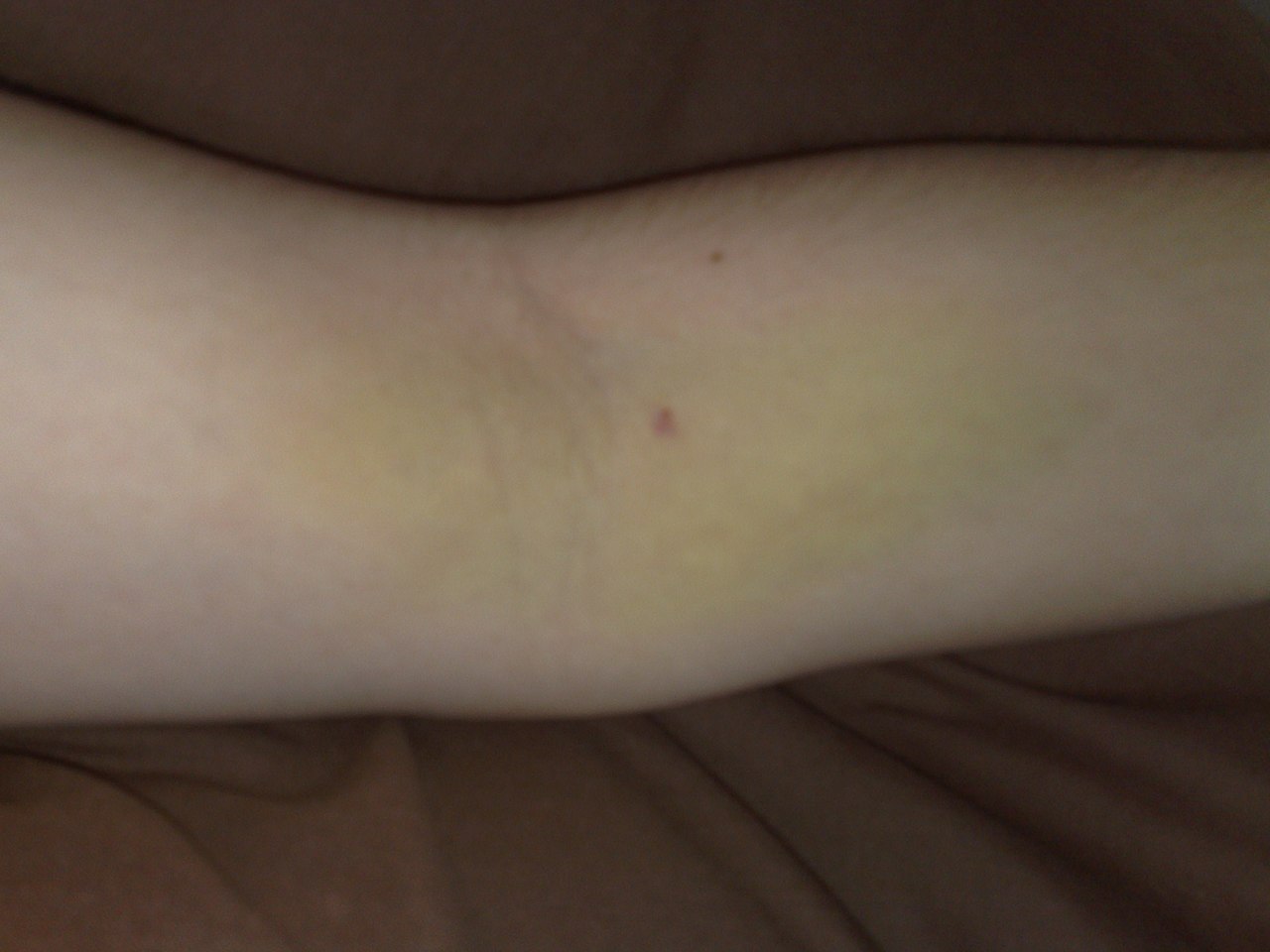


What is collected and how
Donations may be whole blood or component-specific. Whole blood is separated into red cells, plasma and platelets at a processing facility. Apheresis machines allow a donor to give mostly one component—platelets or plasma—while returning others to the donor. Another form is autologous donation, in which a person donates blood for their own planned surgery so it is available if needed.
Screening, testing and safety
Before giving blood, donors answer a health questionnaire and have basic checks such as hemoglobin level and blood pressure. Collected units are tested to reduce infectious risk: routine assays screen for agents that can be transmitted by transfusion, including hepatitis, HIV and syphilis, and other region-specific infections. Donor eligibility rules and laboratory screening have greatly lowered the chance that a transfusion will transmit disease, though no medical procedure is entirely without risk.
Uses and importance
Donated blood is used in a wide range of clinical situations: replacing blood lost in accidents and emergencies, supporting major surgeries, treating patients with cancer or blood disorders, and producing therapies such as clotting factors and immune globulins. Blood component therapy allows clinicians to tailor transfusions—for example, giving only platelets to a patient with low platelet counts while conserving other components.
History and development
The discovery of blood groups in the early 20th century made transfusion safer and enabled organized collection and storage. Modern blood banking developed through the first half of the 20th century and expanded substantially during large-scale conflicts and public-health initiatives, leading to the networks of blood services that many countries maintain today.
Practical considerations and notable facts
- Storage: different components have different shelf lives and storage needs; for example, platelets are stored at room temperature and used sooner than red cells or frozen plasma.
- Eligibility: temporary or permanent deferrals may apply for medical, travel or behavioral reasons to protect donor and recipient safety.
- Adverse events: most donors tolerate the procedure well; occasional minor reactions occur and rare transfusion reactions can affect recipients.
- How to help: many health systems and charities maintain donation centers and mobile drives—check local services for donation opportunities and guidance on who can give.
Overall, voluntary blood donation is a cornerstone of modern medicine. It relies on informed donors, careful laboratory testing and secure supply chains to deliver lifesaving care while minimizing risk to both donors and patients.
Further reading and resources are available through health authorities and local blood services; for more on testing procedures see disease testing.
Related articles
Author
AlegsaOnline.com Blood donation: purpose, procedures, safety, and history Leandro Alegsa
URL: https://en.alegsaonline.com/art/12246