
Hepatitis: causes, types, symptoms, diagnosis, treatment and prevention
Comprehensive overview of hepatitis: liver inflammation from infectious and noninfectious causes, major types (A, B, C), symptoms, diagnosis, treatment, prevention and public-health considerations.
Overview
Hepatitis denotes inflammation of the liver, a condition that ranges from short-lived (acute) illness to long-term (chronic) disease. The term describes the process of inflammation rather than a single cause: many different agents and exposures can damage the liver and produce similar patterns of injury.
Image gallery
10 Images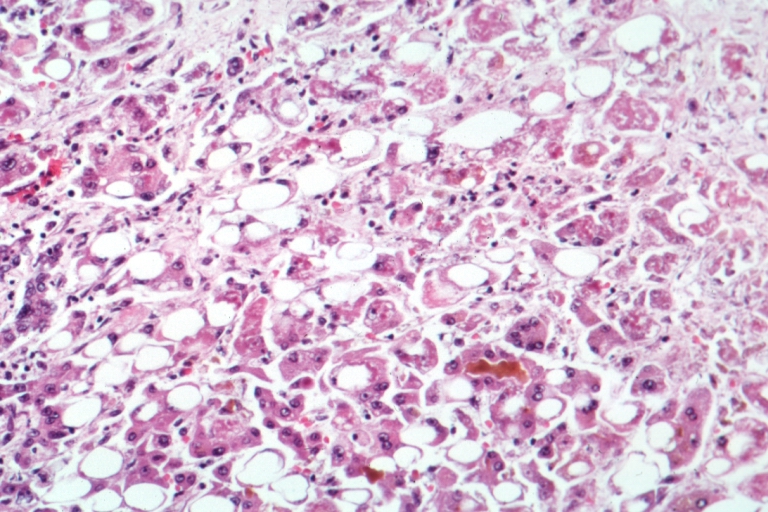





Major causes and types
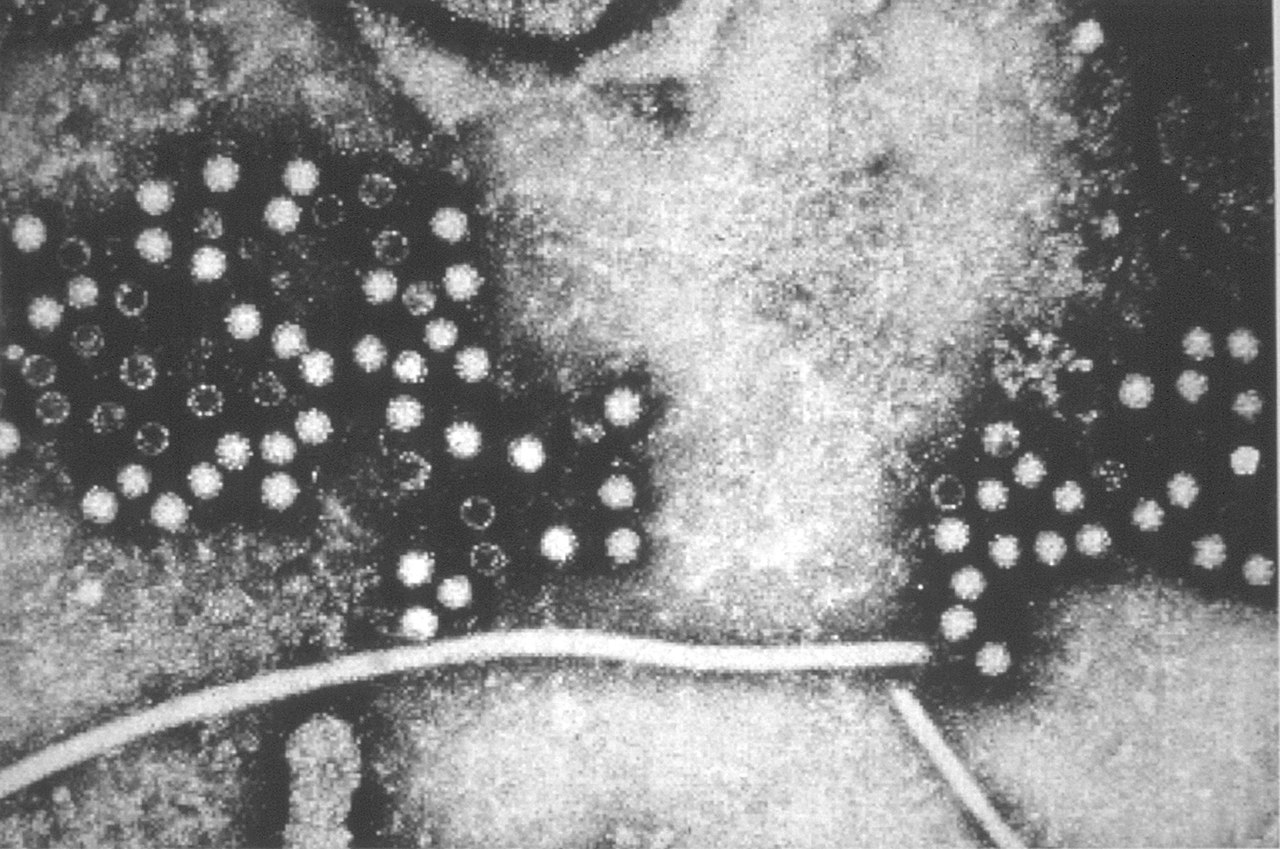
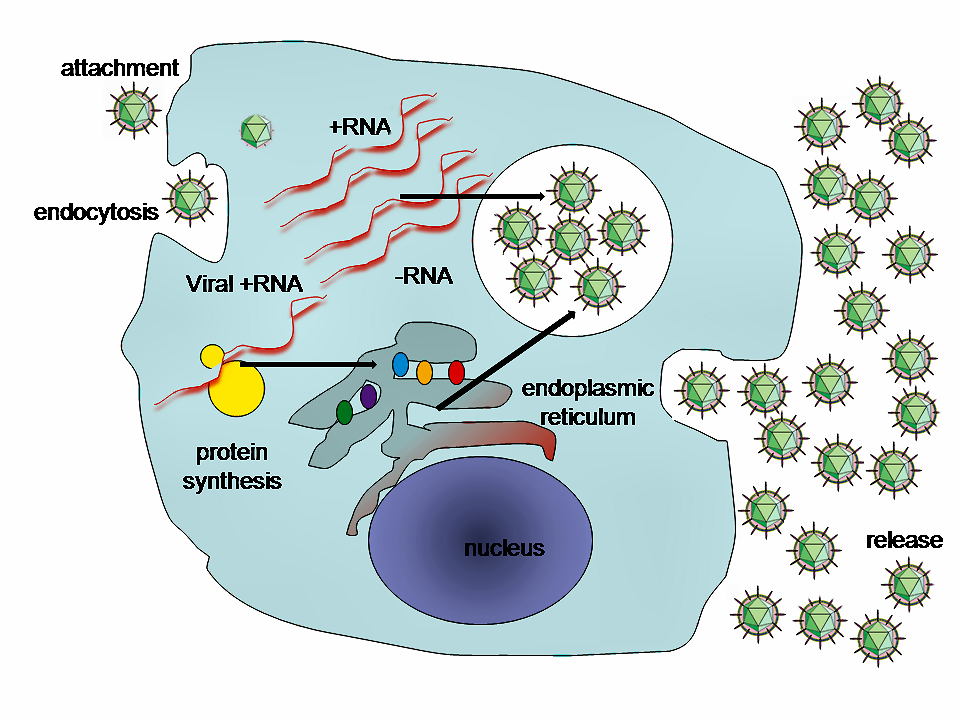
The most commonly referenced forms are viral hepatitis: Hepatitis A, Hepatitis B and Hepatitis C. Viral agents are the leading infectious causes; examples include a variety of viruses that selectively infect hepatocytes. Other infectious organisms—bacteria, fungi or parasites—can also inflame the liver. Classic bacterial infections that may involve the liver include agents associated with tuberculosis or syphilis, while parasitic diseases such as malaria may cause liver involvement in some cases.
Non-infectious causes
Not all hepatitis is infectious. Long-term heavy alcohol use is a major noninfectious cause and can produce alcoholic hepatitis; sustained high intake—such as consuming more than three alcoholic drinks per day—raises risk of alcohol-related liver injury. Various drugs and environmental chemicals can be hepatotoxic; a prominent example is paracetamol (acetaminophen), where overdose is a leading cause of acute liver failure and must be treated urgently (see overdose management).
Symptoms and clinical course
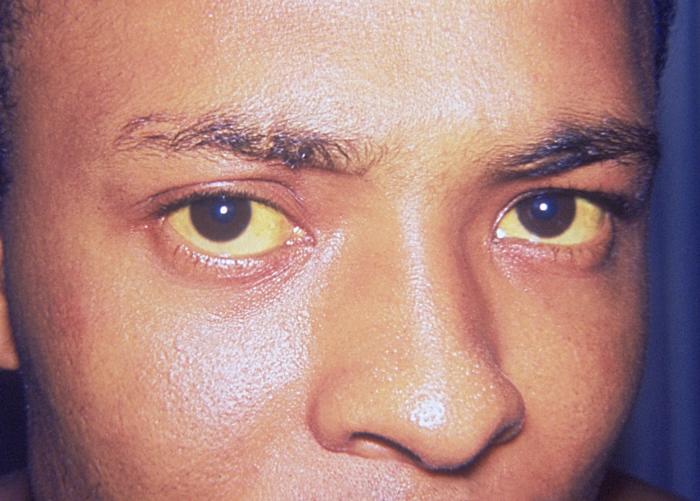
Symptoms range from none or mild fatigue to jaundice (yellowing of skin and eyes), abdominal pain, dark urine and pale stools. Blood tests often show raised liver enzymes. Some forms are self-limited, while others become chronic and progress to scarring (cirrhosis), liver failure or liver cancer over years. The pattern of progression depends on the cause—for example, Hepatitis A usually causes acute illness without chronic infection, whereas Hepatitis B and C can persist and lead to long-term liver damage.
Diagnosis, treatment and prevention
Diagnosis combines clinical assessment with blood tests (serology and molecular assays), imaging and sometimes biopsy. Treatment varies: supportive care for many acute cases, specific antiviral medications for chronic viral hepatitis, and avoidance of hepatotoxins for drug- or alcohol-related disease. Vaccination prevents Hepatitis A and B, routine screening of blood products and safe-injection practices reduce transmission, and targeted public-health measures reduce population risk.
Key distinctions and public-health importance
- Hepatitis A: usually fecal–oral transmission, acute illness, vaccine-preventable (A).
- Hepatitis B: blood and bodily-fluid transmission, can be acute or chronic, vaccine-preventable (B).
- Hepatitis C: blood-borne, frequently becomes chronic but curable with direct-acting antivirals (C).
Prevention checklist
- Vaccination where available (A and B), safe-sex practices and screened blood supplies.
- Avoid sharing needles and ensure sterile procedures in healthcare and tattooing settings.
- Limit alcohol intake and use medications carefully; follow dosing directions for paracetamol and seek help in suspected overdose.
- Maintain food and water hygiene to reduce fecal–oral transmission of some types.
For further reading on liver anatomy and function, consult resources about the liver and inflammation (inflammation), or authoritative guidance on alcohol harms (alcohol) and safe medication use (drugs). Additional specialized topics include infections like tuberculosis, syphilis and parasitic illnesses such as malaria, which may involve the liver in some clinical contexts.
Questions and answers
Q: What is hepatitis?
A: Hepatitis is a disease that affects the liver and causes inflammation.
Q: How many types of hepatitis are there?
A: There are several types of hepatitis, but the most common ones are Hepatitis A, Hepatitis B, and Hepatitis C.
Q: What causes hepatitis?
A: Hepatitis can be caused by viruses, bacteria, fungi, parasites, alcohol, drugs, chemicals, and other diseases.
Q: Can alcohol consumption lead to hepatitis?
A: Yes, alcohol consumption can lead to hepatitis. About one in four people who drink more than three alcoholic drinks a day (over a period of 10–15 days) will have some form of hepatitis caused by alcohol.
Q: Can certain drugs cause hepatitis?
A: Yes, certain drugs can cause hepatitis. One notable drug is paracetamol (overdose), and there are others as well.
Q: What are some other diseases that can cause hepatitis?
A: Other diseases that can cause hepatitis include tuberculosis, syphilis, and malaria.
Q: Is hepatitis a serious disease?
A: Yes, hepatitis is a serious disease, as it can cause long-term liver damage and even liver failure if left untreated.
Related articles
Author
AlegsaOnline.com Hepatitis: causes, types, symptoms, diagnosis, treatment and prevention Leandro Alegsa
URL: https://en.alegsaonline.com/art/43652