
Ignacio López Tarso: Mexican stage, film and television actor
Biography and overview of Ignacio López Tarso, a prominent Mexican actor best known for his title role in the 1960 film Macario, with career highlights, style, and legacy.
Overview
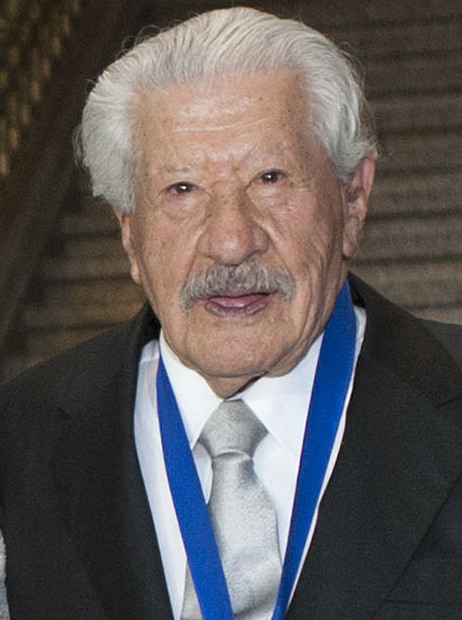
Ignacio López Tarso (born Ignacio López López on January 15, 1925) is a Mexican actor whose career spans stage, film and television. Born in Mexico City, he became widely recognized for his expressive, naturalistic performances and for his title role in the 1960 film Macario, a work that brought international attention to Mexican cinema.
Image gallery
6 Images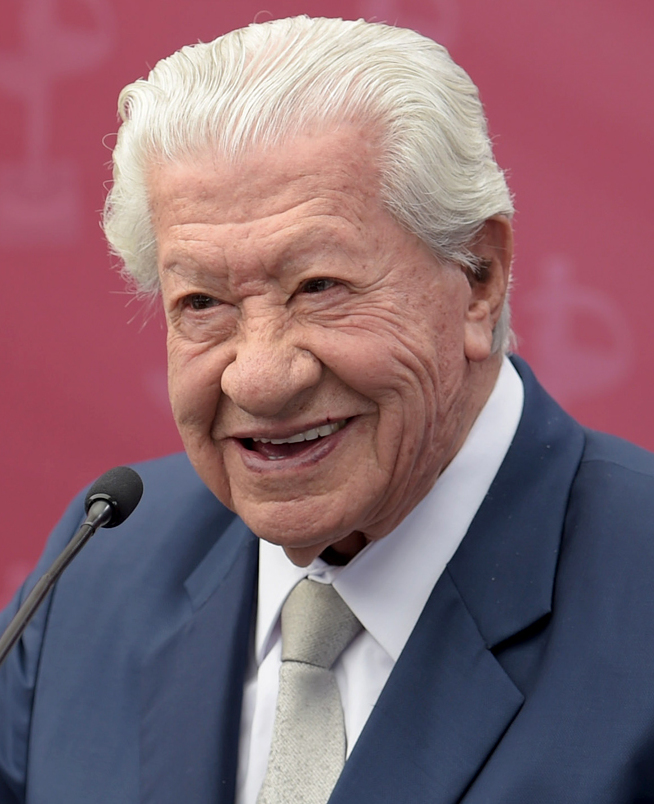



Career and artistic approach
López Tarso trained and worked extensively in the theatre before moving into movies and television. He has been praised for his ability to convey dignity and vulnerability, often playing characters drawn from everyday life rather than melodramatic types. His body of work includes stage productions that explored classical and contemporary drama, a long list of feature films, and numerous television appearances that brought his work into Mexican homes.
Mediums and notable contributions
- Stage: formative arena where he developed a reputation for disciplined, austere acting.
- Film: appeared in roughly fifty feature films and several documentaries and shorts, with Macario being the most internationally known.
- Television: frequent presence in serialized drama and special programs, extending his influence across generations.
Macario and international recognition
Macario (1960) remains López Tarso's signature screen role. In that film he embodied a humble woodcutter whose encounter with a supernatural figure is rendered with restraint and emotional clarity. The picture attracted attention beyond Mexico and helped introduce audiences abroad to the country’s cinematic storytelling during a period of growing international interest.
Legacy and significance
Across decades, Ignacio López Tarso has been regarded as one of Mexico’s important acting figures, respected for his steady presence and professional longevity. Critics and audiences have noted his influence on younger performers and the way his work helped bridge theatrical discipline and on-screen naturalism. He remains associated with the cultural life of Mexico and is frequently cited in discussions of the country’s twentieth-century dramatic arts.
Further reading
For more on his stage work, filmography and television roles see general resources on Mexican performing arts and film history or consult archives and retrospective articles available from theatrical and cinematic institutions. Representative overviews and film listings can be found via specialist portals and institutional histories of Mexican cinema.
Related articles
Author
AlegsaOnline.com Ignacio López Tarso: Mexican stage, film and television actor Leandro Alegsa
URL: https://en.alegsaonline.com/art/120872
Sources
- festival-cannes.com : "Festival de Cannes: Macario"
- latintimes.com : "Ignacio López Tarso Hospitalized: Mexican Actor In Intensive Care After Surgery"