
Ignacy Jan Paderewski — Polish pianist, composer and statesman
Polish pianist, composer and statesman (1860–1941) who achieved international fame as a virtuoso, composed the opera Manru, and used his reputation to advocate for Polish independence and serve in government in 1919.
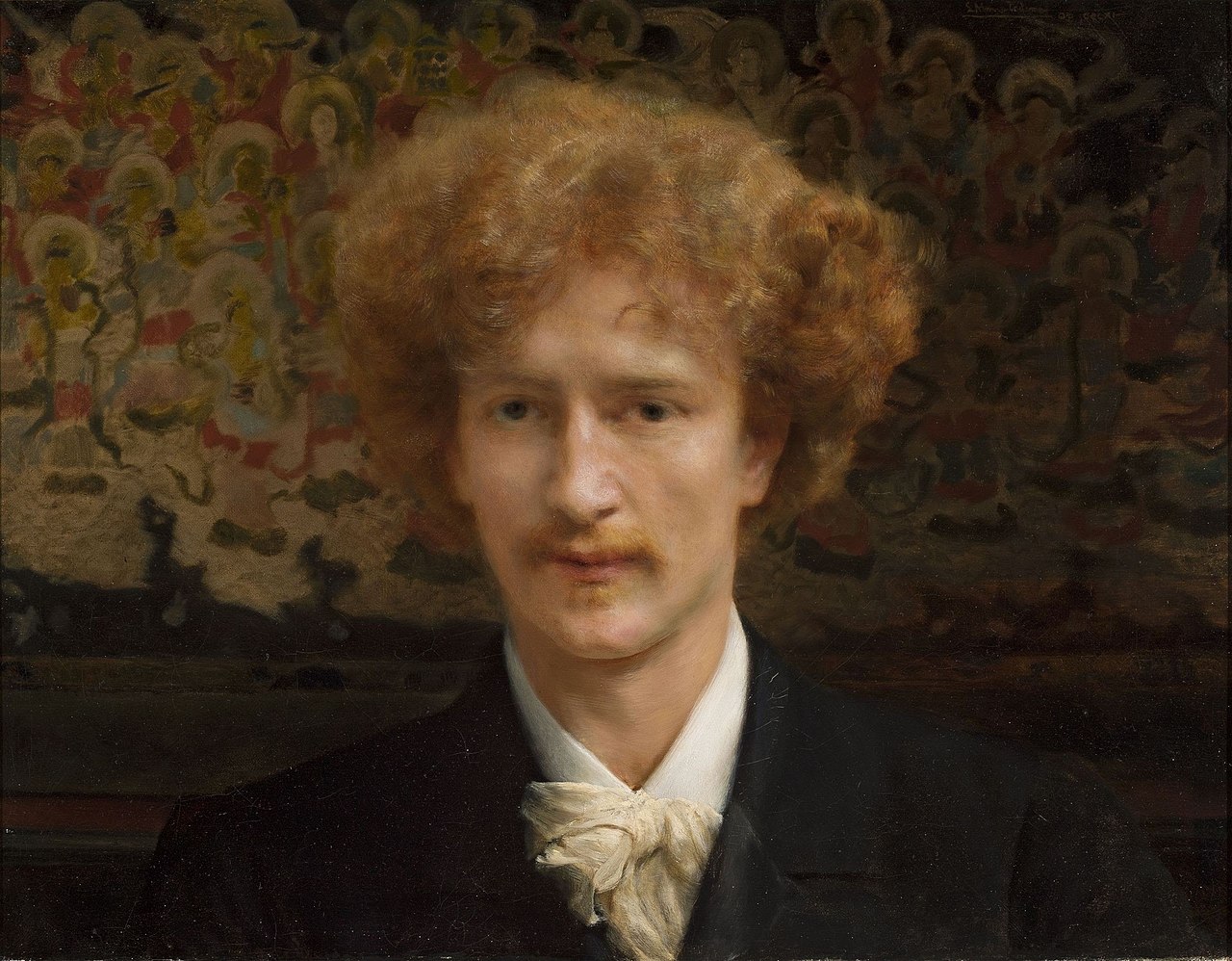
Ignacy Jan Paderewski (born 18 November 1860; 6 November Old Style) — died 29 June 1941 — was a Polish pianist, composer and statesman. He became internationally celebrated for his virtuoso piano performances and later used that prominence to press for the re-establishment of an independent Poland. Paderewski combined a musical career with active diplomacy, serving briefly as prime minister and foreign minister of the newly independent Polish state in 1919 and representing Poland at the Paris Peace Conference that year.
Image gallery
10 Images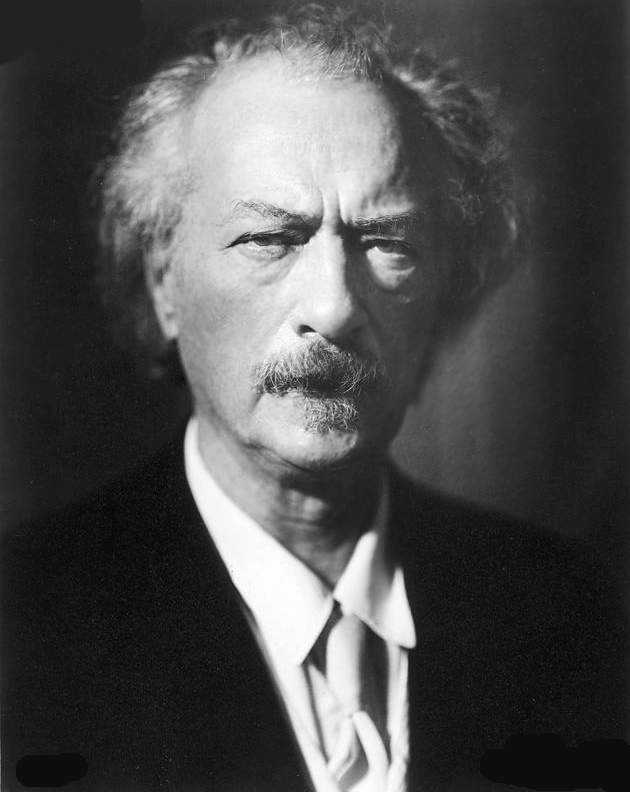


Musical career and works
Paderewski rose from conservatory training to global recognition as one of the leading pianists of his era. Renowned for his dramatic stage presence and refined technique, he toured Europe and the Americas, making a lasting impact on public taste and the international concert industry. As a composer he is best known for piano pieces and the opera "Manru" (premiered in 1901), which gained attention outside Poland. He also made early commercial recordings and performed benefit concerts to support cultural and humanitarian causes.
Political activity and statesmanship
During World War I and its aftermath Paderewski became an outspoken advocate for Polish independence. He used concerts and meetings with political leaders to draw attention to Poland's cause, cultivated relationships with influential figures abroad — notably in the United States — and helped mobilize financial and diplomatic support. In January 1919 he accepted appointment as prime minister and foreign minister of the reconstituted Polish Republic and was Poland's representative at the Paris Peace Conference.
Later life and legacy
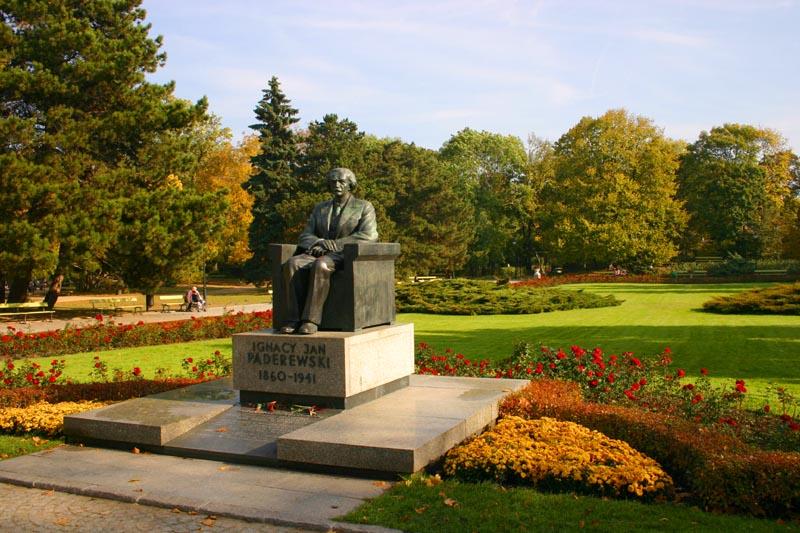
After leaving office Paderewski continued to perform and to speak on public matters, balancing musical pursuits with involvement in Polish émigré affairs. He spent much of his later life abroad and died in 1941. His dual legacy as an artist and national advocate has been commemorated in monuments, biographies and institutional namesakes. He is widely remembered as a symbol of how cultural stature can be converted into political influence.
Notable facts and distinctions
- One of the most famous pianists of the late 19th and early 20th centuries, celebrated for interpretive flair and public appeal.
- Composer of the opera Manru and a corpus of piano works and songs.
- Served as Poland's prime minister and foreign minister in 1919 and represented the country at the Paris Peace Conference.
- Used music as a platform for philanthropy and diplomacy, helping to raise funds and international support for Poland.
Paderewski's life illustrates the intersection of artistic achievement and national politics: an international virtuoso whose celebrity enabled him to act as a persuasive spokesman for his homeland during a pivotal moment in European history. For more detailed chronological or musical information see dedicated biographies and collections of his correspondence and recordings (Old Style / modern date conventions).
Related articles
Author
AlegsaOnline.com Ignacy Jan Paderewski — Polish pianist, composer and statesman Leandro Alegsa
URL: https://en.alegsaonline.com/art/120873
Sources
- books.google.com : Encyclopedia of Diasporas: Immigrant and Refugee Cultures Around the World