
Igor Dodon — Moldovan politician and former president
Igor Dodon (born 1975) is a Moldovan politician who served as president from 2016 to 2020, led the Party of Socialists, and held ministerial and parliamentary posts. He is known for pro‑Russian positions and a polarizing style.
Igor Dodon (born 18 February 1975) is a Moldovan politician who has played a central role in his country's post‑Soviet politics. He rose to national prominence as a leader of the Party of Socialists and served as president of Moldova from 23 December 2016 until 24 December 2020. Dodon is often identified with a political platform that favors closer ties with Russia and greater skepticism toward rapid integration with the European Union.
Image gallery
9 Images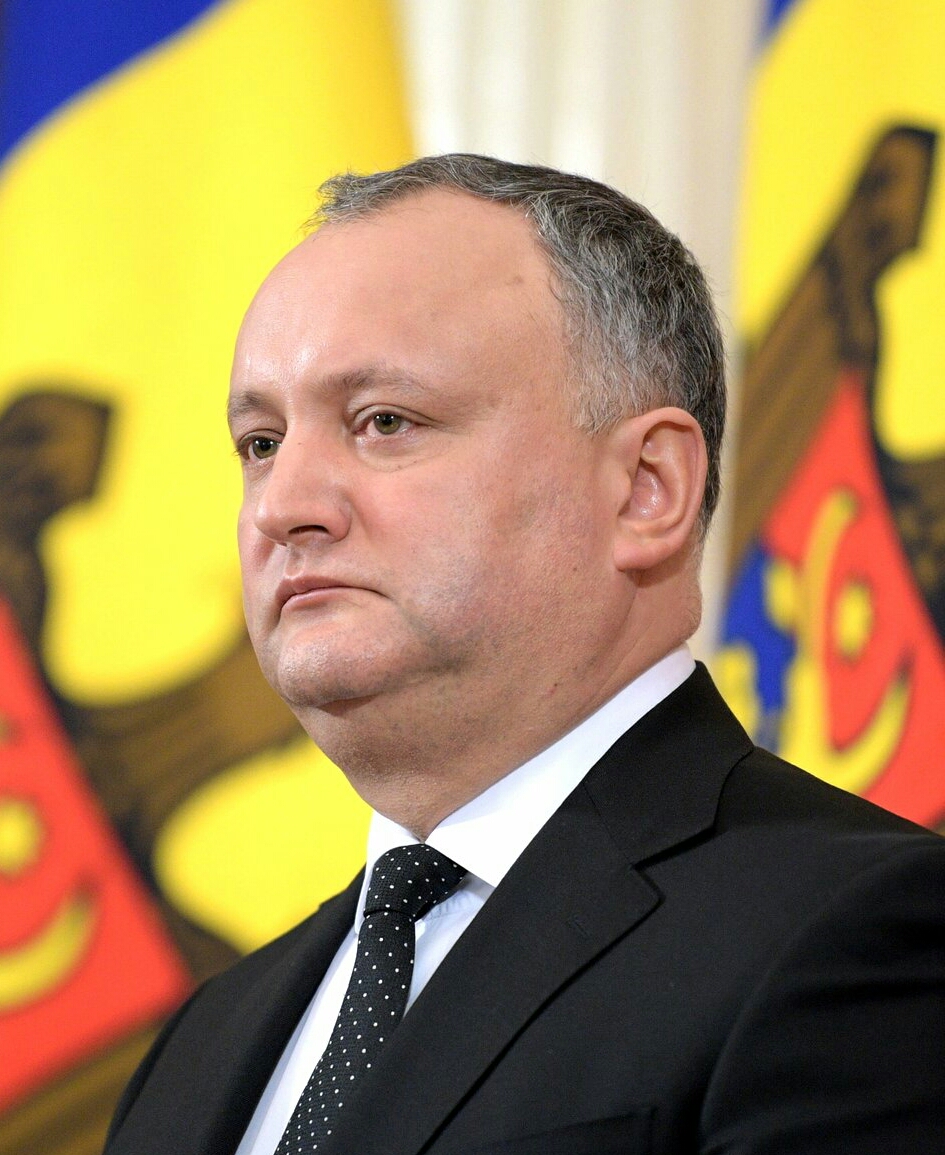


Career and offices
Dodon’s public career includes executive and legislative responsibilities. He served as Minister of Trade and Economics from September 2006 to September 2009 in the governments led by Vasile Tarlev and Zinaida Greceanîi. After that period he was a member of the Parliament from 2009 until his election to the presidency in 2016. He has also been the leader of the Party of Socialists, which became one of Moldova’s major political forces during the 2010s.
Key positions held:
- Minister of Trade and Economics (2006–2009)
- Member of Parliament (2009–2016)
- President of Moldova (2016–2020)
Presidency and 2020 election
As president, Dodon emphasized restoring and strengthening ties with Moscow while continuing to manage relationships with European institutions. His presidency was characterized by debates over foreign policy orientation, economic strategy, and national identity. In the presidential runoff of 15 November 2020 he lost his bid for a second term in a vote that brought former prime minister Maia Sandu to office; the result and the campaign were widely viewed as a turning point in Moldova’s political direction. Observers described the campaign and outcome as reflecting sharp domestic divisions and competing visions for the country's future (re‑election bid).
Political positions and public image
Dodon’s public platform stressed pragmatic relations with Russia, support for the Russian language and cultural links, and a cautious approach to rapid Western integration. He opposed proposals for unification with Romania and argued that Moldova’s security and economic interests required a balanced foreign policy. His rhetoric and style have been polarizing: supporters praise his defense of social conservatism and national sovereignty, while critics accuse him of promoting a divisive agenda and of favoring external patrons.
Significance and context
Dodon remains an influential figure in contemporary Moldovan politics whose career illustrates the country’s post‑independence dilemmas: balancing East and West, economic development, and questions of national identity. For readers seeking more background on Moldova and its institutions, see general country resources about Moldova, the role of the parliament, and recent presidential contests. For coverage of the 2020 election and its aftermath, consult reporting and analyses published around 15 November 2020.
Related articles
Author
AlegsaOnline.com Igor Dodon — Moldovan politician and former president Leandro Alegsa
URL: https://en.alegsaonline.com/art/120878
Sources
- vox.publika.md : "Separatismul lui Dodon, scos la suprafață de consilierul său - VOXPUBLIKA"
- pressone.ro : "Cotul Dodonului. Ziua în care Basarabia a ales un președinte pro-rus"