
Igor Lukšić — Montenegrin politician and diplomat
Montenegrin political figure, served as Prime Minister (2010–2012) and Minister of Foreign Affairs (2012–2016); associated with EU accession and regional cooperation.
Igor Lukšić (born 14 June 1976) is a Montenegrin politician and diplomat who rose quickly through government ranks in the early 21st century. A member of the Democratic Party of Socialists, he served as Prime Minister of Montenegro and later as the country’s Minister of Foreign Affairs. He is noted for his focus on economic management, EU integration and strengthening regional ties.
Image gallery
9 Images


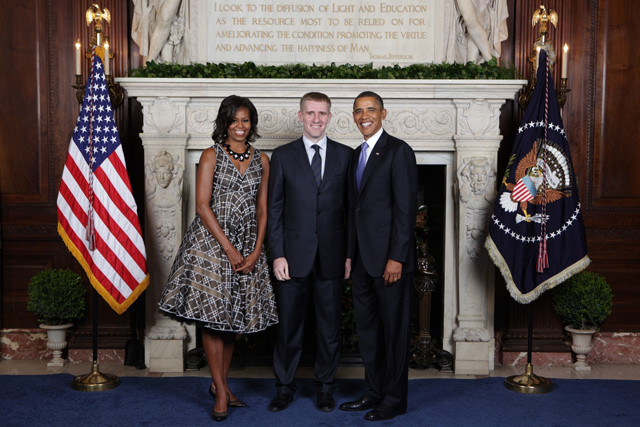

Political career and offices
Lukšić entered senior government service in his thirties and became acting prime minister after the resignation of long-serving leader Milo Đukanović; that transition is documented in contemporary reports and commentary (see source). He was confirmed by parliament at the end of December 2010 and led a government tasked with continuing European integration and fiscal consolidation. After completing his term as head of government, he served as foreign minister from 2012 until 2016 and participated in regional diplomacy and multilateral forums.
- Acting Prime Minister following Đukanović’s resignation (background).
- Prime Minister of Montenegro (appointed late 2010; served through 2012).
- Minister of Foreign Affairs (2012–2016), representing Montenegro abroad and promoting Euro-Atlantic ties.
Policy priorities and governance
During his tenure Lukšić emphasized fiscal stability, public administration reform and advancing Montenegro’s accession process toward the European Union and NATO-aligned cooperation. His cabinets prioritized measures to attract foreign investment, streamline government services and align national legislation with EU standards. Observers noted a pragmatic, technocratic approach aimed at continuity with prior policy directions.
Later roles and regional engagement
After leaving the foreign ministry, Lukšić remained active in regional initiatives, international consultancy and dialogue on Balkan cooperation. Reports indicated plans for further leadership in regional institutions; for example, he was linked with candidature and prospective roles in organizations promoting cooperation in Southeast Europe. His post-government work has involved advising on economic and diplomatic projects and participating in think-tank and conference networks.
Notable aspects of Lukšić’s public profile include his rapid ascent to senior office at a relatively young age, his association with the long-dominant Democratic Party of Socialists, and a consistent public emphasis on Montenegro’s Euro-Atlantic integration. For readers seeking primary documents or contemporary reporting, national government releases and regional cooperation bodies provide further detail.
Related articles
Author
AlegsaOnline.com Igor Lukšić — Montenegrin politician and diplomat Leandro Alegsa
URL: https://en.alegsaonline.com/art/120880
Sources
- cia.gov : Montenegro Chiefs of State and Cabinet Members of Foreign Governments · web.archive.org
- economist.com : The end of an era, possibly · archive.is
- bloomberg.com : "Bloomberg - Are you a robot?"