
Herakles: Greek hero, demigod, and cultural icon
Herakles, son of Zeus and Alkmene, is a central figure in Greek mythology famed for his strength, the Twelve Labors, and eventual apotheosis; known in Rome as Hercules and widely represented in ancient and modern culture.
Overview
Herakles is one of the most prominent figures in ancient Greek tradition, celebrated as a mighty hero and later worshipped as a god. Born to the mortal Alcmene and the chief deity Zeus, his mixed divine and human ancestry made him a model of heroic excellence and a frequent subject of myth, ritual, and art. The spelling of his name in Ancient Greek appears as Ἡρακλῆς, and his special relationship to Hera—who, in myth, both hated and inadvertently honored him—features in many stories. Scholarly and popular narratives place him squarely within Greek mythology as the archetypal strongman and problem-solver.
Image gallery
10 Images





Life, characterization, and iconography
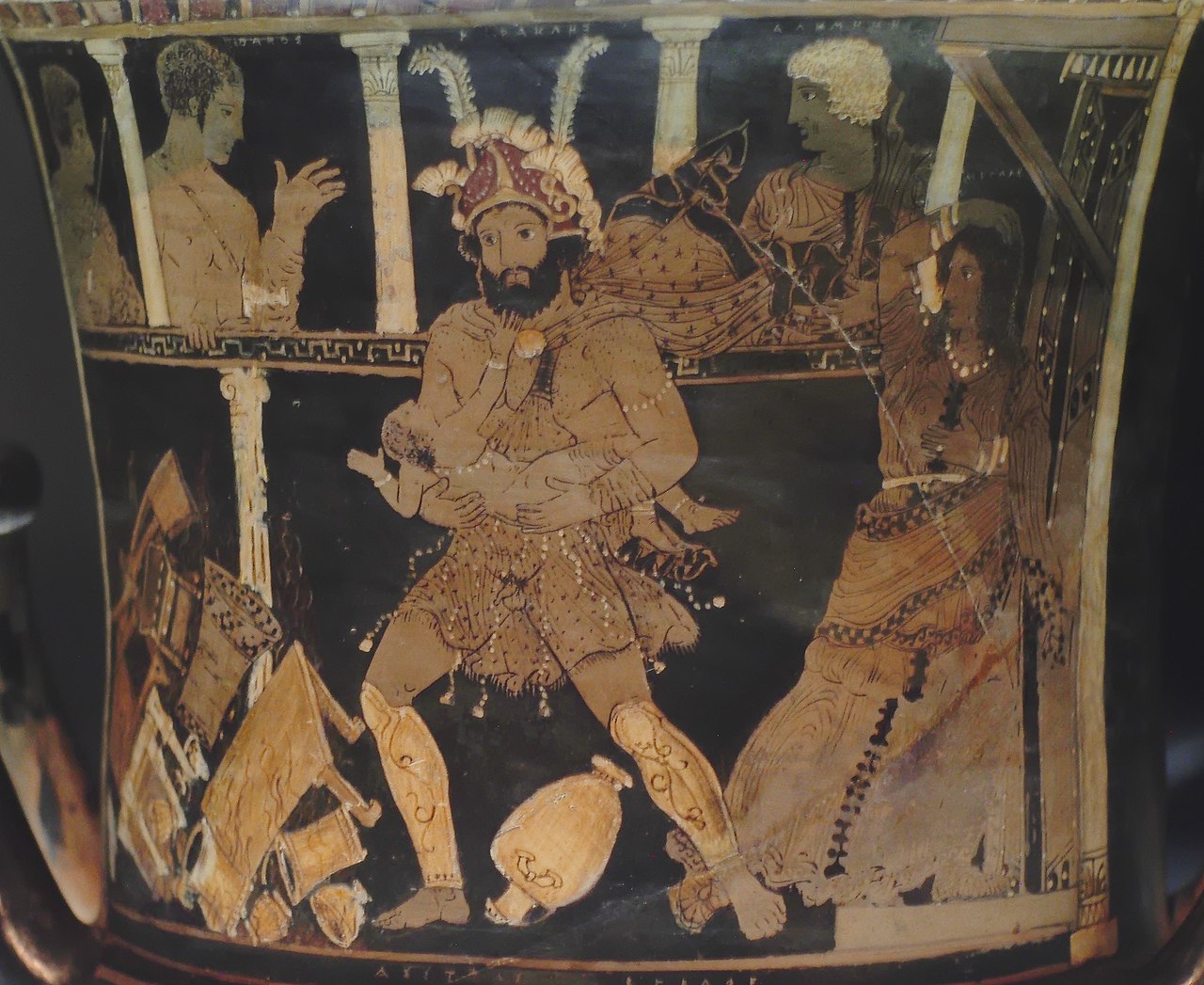
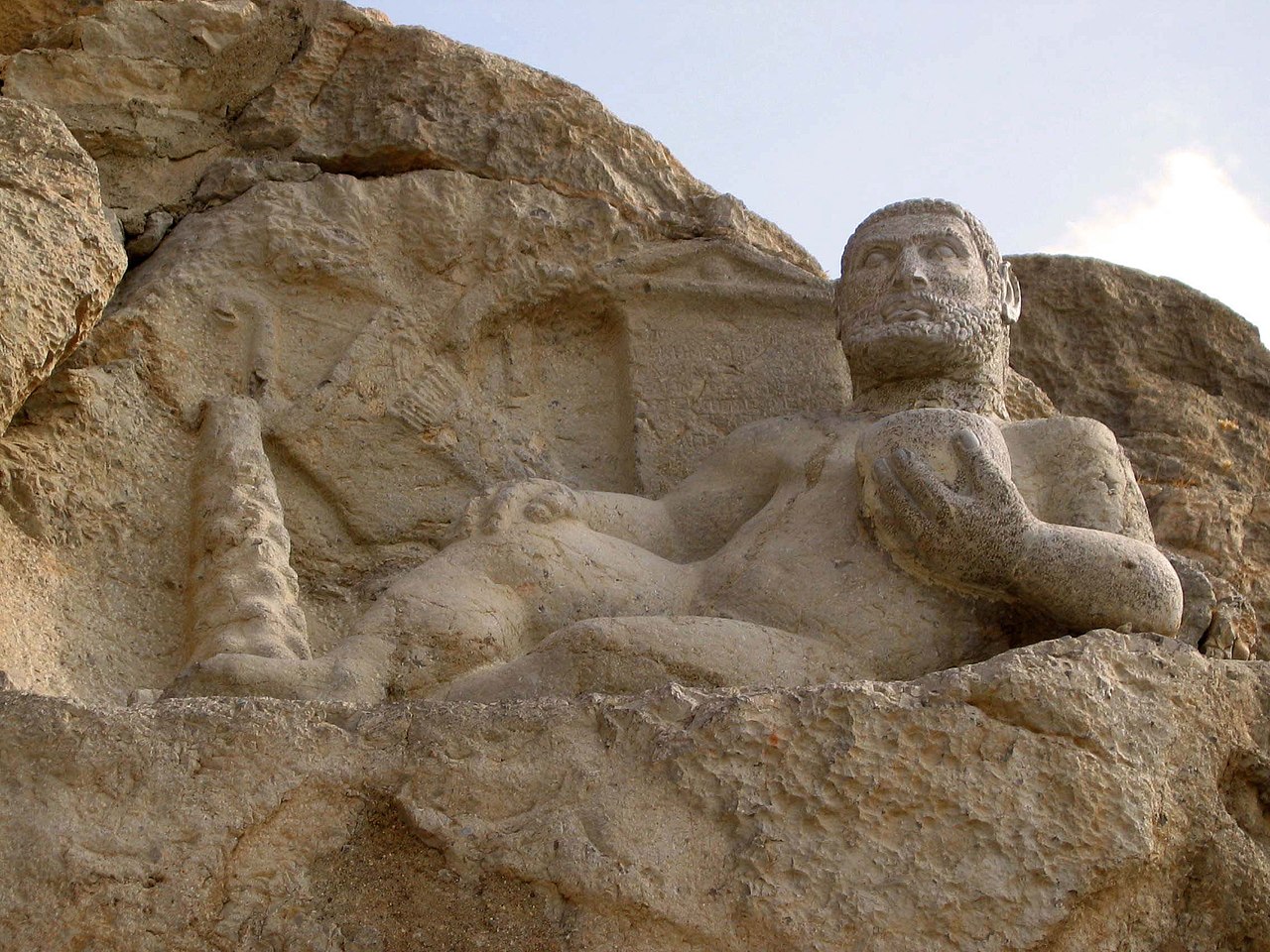
Herakles is typically portrayed as exceptionally strong, courageous, and turbulent in temperament. Classical tales record episodes of great compassion alongside fits of uncontrollable rage; most famously, a fit of divinely induced madness led him to kill members of his own household, an act that precipitated his later penance. Artists and sculptors represent him with attributes such as the lion skin and the club, symbols that emphasize both his martial prowess and his victories over monstrous foes. As a cultural ideal he exemplified physical power, endurance, and the moral complexity of heroic life.
Major myths and the Twelve Labors
Herakles’s life is framed by a sequence of episodic adventures. The best-known set of tales are the Twelve Labors, a series of arduous tasks imposed upon him as atonement for the murder of his family. These labors—ranging from slaying dangerous beasts to capturing elusive creatures and performing seemingly impossible feats—demonstrate both ingenuity and brute force. The Twelve Labors remain a touchstone for later retellings and artistic representations across the Mediterranean world; summaries and retellings of these episodes are widely available in modern collections and commentaries on the Labors.
Historical development and cult
Over time Herakles developed from a folktale hero into a figure with religious significance: he was venerated in sanctuaries and had festivals linked to athleticism and boundary-making. Ancient communities credited him with civilizing acts—such as establishing or defining ritual spaces—and sometimes associated him with the foundation of athletic contests, including legends that connect him to the Ancient Olympic Games or with marking the dimensions of the Olympic stadium. In Greece and the wider Mediterranean, his cult varied: in some cities he was a protector of travelers and athletes, in others a symbol of royal authority.
Roman adoption and later reception
In the Roman world Herakles was known as Hercules, a figure adopted into Roman religion and imperial imagery. Several emperors claimed kinship or identification with him; notable examples include Commodus, who styled himself in Heraclean terms, and later rulers who used the hero’s image to project strength. His stories continued to be retold through classical literature, Renaissance art, and modern media, keeping his image alive in painting, sculpture, literature, film, and television.
Importance, interpretations, and modern culture
Herakles’s enduring appeal lies in the rich mix of human vulnerability and supernatural achievement. He functions as a symbol of personal struggle, moral testing, and triumph over chaos. Scholars examine him from mythic, historical, and psychological perspectives; artists and audiences reinterpret his myths continually. Today he remains a popular figure in novels, movies, and animated works; for instance, adaptations include retellings associated with Walt Disney and the studio’s animated Hercules, among many other cultural treatments.
- Family and relations: son of Zeus and Alcmene, twin brother of Iphicles.
- Greek sources and scholarship: classical poets and playwrights recount varied episodes; later antiquity and modern scholarship analyze his evolving role (greatest of the Greek heroes).
- Cross-cultural impact: transformed and reappropriated in Ancient Rome and beyond.
Related articles
Author
AlegsaOnline.com Herakles: Greek hero, demigod, and cultural icon Leandro Alegsa
URL: https://en.alegsaonline.com/art/120577