
Hercules — Roman hero of strength, labors, and cultural legacy
Hercules is the Roman adaptation of the Greek hero Herakles, celebrated for extraordinary strength and the Twelve Labors; a major figure in ancient religion, art, and later cultural symbolism.
Hercules is a central figure in Roman mythology, adapted from the Greek hero known as Herakles. Portrayed as a mortal son of the god Zeus and the mortal Alcmene, he became famous for feats of strength and endurance. Stories about him range from violent adventures to episodes of redemption, and his character was reshaped as Roman writers, artists, and religious practices absorbed and transformed Greek material.
Image gallery
10 Images


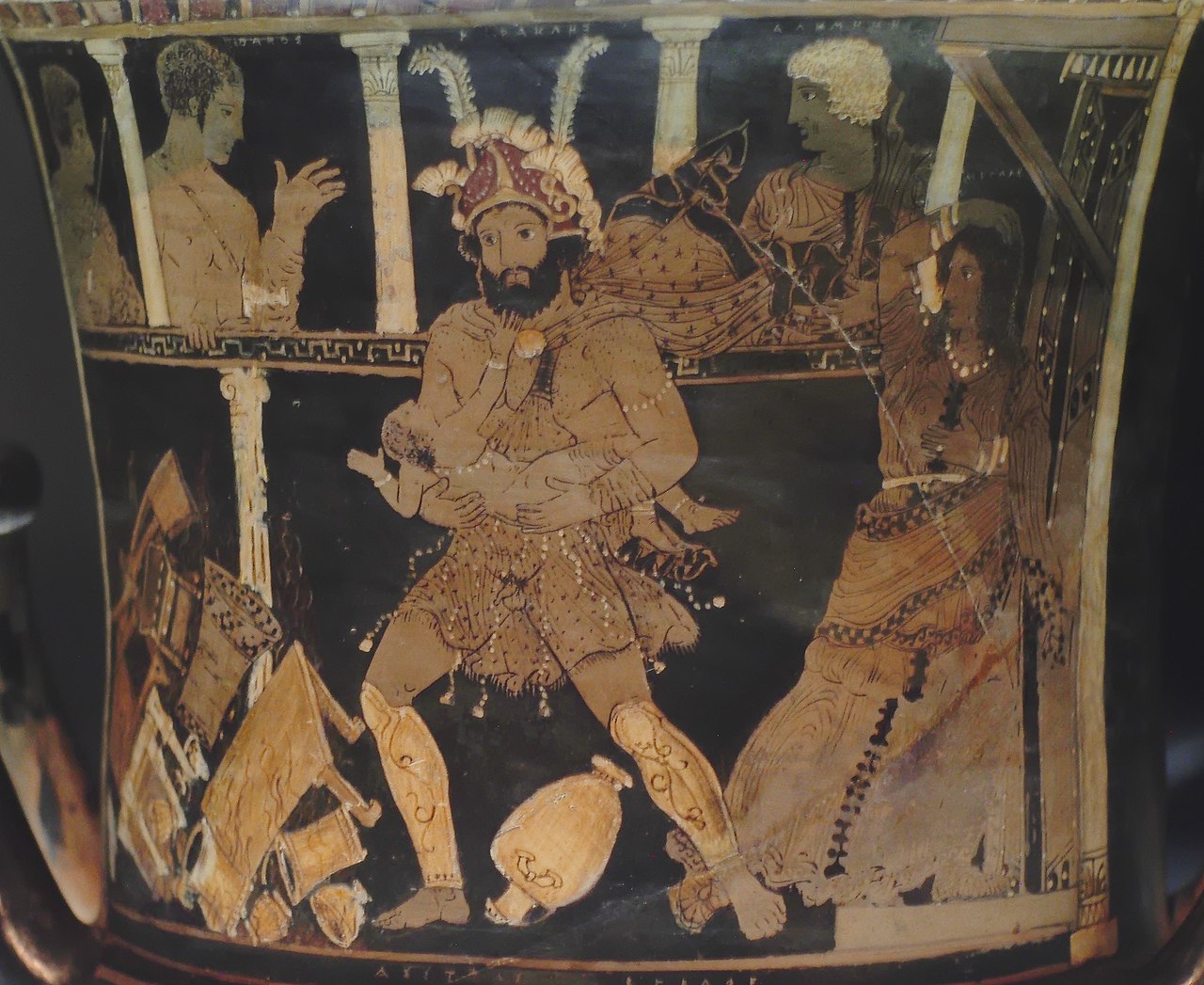
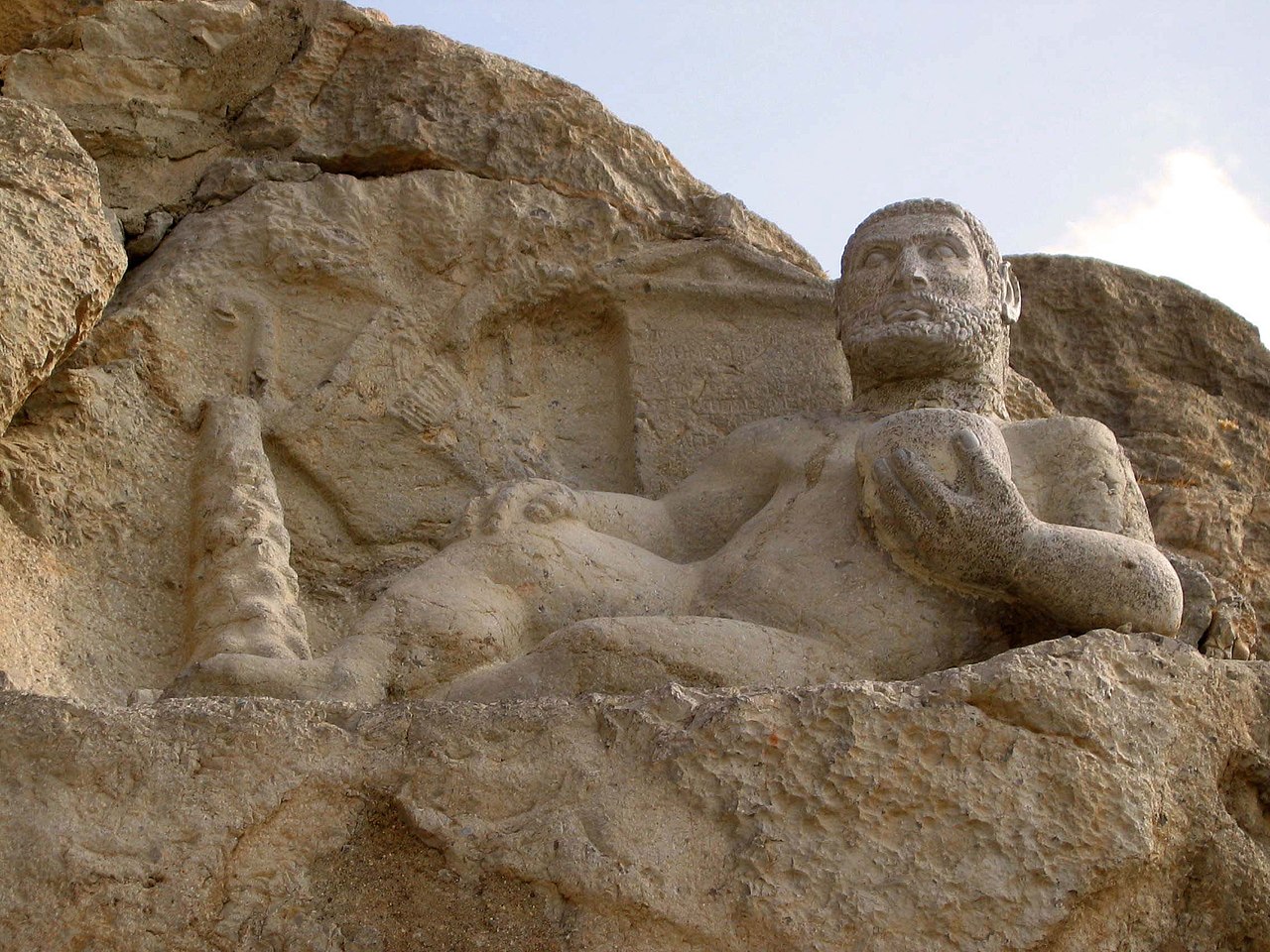



Mythic deeds and the Twelve Labors
The most enduring cycle of tales describes the penitential tasks Hercules undertook to atone for a crime and gain immortality. These episodes emphasize physical prowess, cunning, and encounters with monsters and distant lands. The canonical list commonly given in ancient sources includes:
- Slay the Nemean Lion
- Defeat the Lernaean Hydra
- Capture the Ceryneian Hind
- Capture the Erymanthian Boar
- Clean the Augean Stables
- Drive away the Stymphalian Birds
- Capture the Cretan Bull
- Obtain the Mares of Diomedes
- Obtain the girdle of Hippolyta
- Steal the cattle of Geryon
- Fetch the golden apples of the Hesperides
- Capture Cerberus from the underworld
Origins, variations, and literary tradition
Hercules' story merges folk motifs, local cults, and the epic and tragic literature of the Greek world before being retold in Roman contexts. Ancient poets and dramatists presented different episodes and emphases; some highlight his bravery and beneficence, others his rage and tragic errors. Hera's hostility toward him, his mortal birth, and eventual ascent to divine status are recurring themes. The Roman portrayal often aligned him with virtues admired by Roman audiences and with imperial imagery.
Iconography, worship, and public role
In art and sculpture Hercules is typically shown carrying a club and wearing the hide of the Nemean Lion, symbols of his strength and victories. He was venerated in sanctuaries and had temples and festivals in both Greek and Roman lands; in Rome, cults and shrines linked him to commerce, protection, and civic ideals. His figure was used on public monuments, coinage, and private households as a protective and exemplary figure.
Legacy and distinctions
Hercules remains a global cultural touchstone: his name is used as an adjective ('Herculean') for exceptionally difficult tasks, and his image appears across literature, visual arts, and popular media. Key distinctions to remember are that 'Hercules' is the Roman name while 'Herakles' is the Greek original, and that mythic accounts vary widely by author and period. For further comparative study of Greek and Roman traditions see discussions of Greek mythology and classical sources at general reference sites and academic treatments.
Related articles
Author
AlegsaOnline.com Hercules — Roman hero of strength, labors, and cultural legacy Leandro Alegsa
URL: https://en.alegsaonline.com/art/43734