
Roman gods and goddesses: overview and representative list
Survey of principal Roman deities, household spirits, history, roles, and cultural significance in ancient Rome, with a concise catalogue and notable distinctions from Greek counterparts.
Overview
Roman religion centered on a large and flexible pantheon of gods and goddesses who governed aspects of public life, nature and the household. Many major Roman deities absorbed or paralleled Greek divinities but kept distinct names and civic roles. Temples, public rites and private offerings organized relationships between Romans and their gods, shaping law, warfare, agriculture and family life. For more background see Roman mythology.
Image gallery
10 Images





Principal deities
The most prominent gods were often associated with state power, fertility and protection. A concise list of principal Roman deities and their chief domains:
- Jupiter — king of the gods, sky, and law;
- Juno — queen of the gods, marriage and childbirth;
- Mars — war and military valor, also agricultural guardian in early Rome;
- Venus — love, beauty and lineage, patron of Roman origins;
- Minerva — wisdom, crafts and strategic war;
- Mercury — commerce, travel and communication;
- Neptune — sea and horses;
- Pluto (Dis) — ruler of the underworld and the dead.
Household gods, minors and special figures
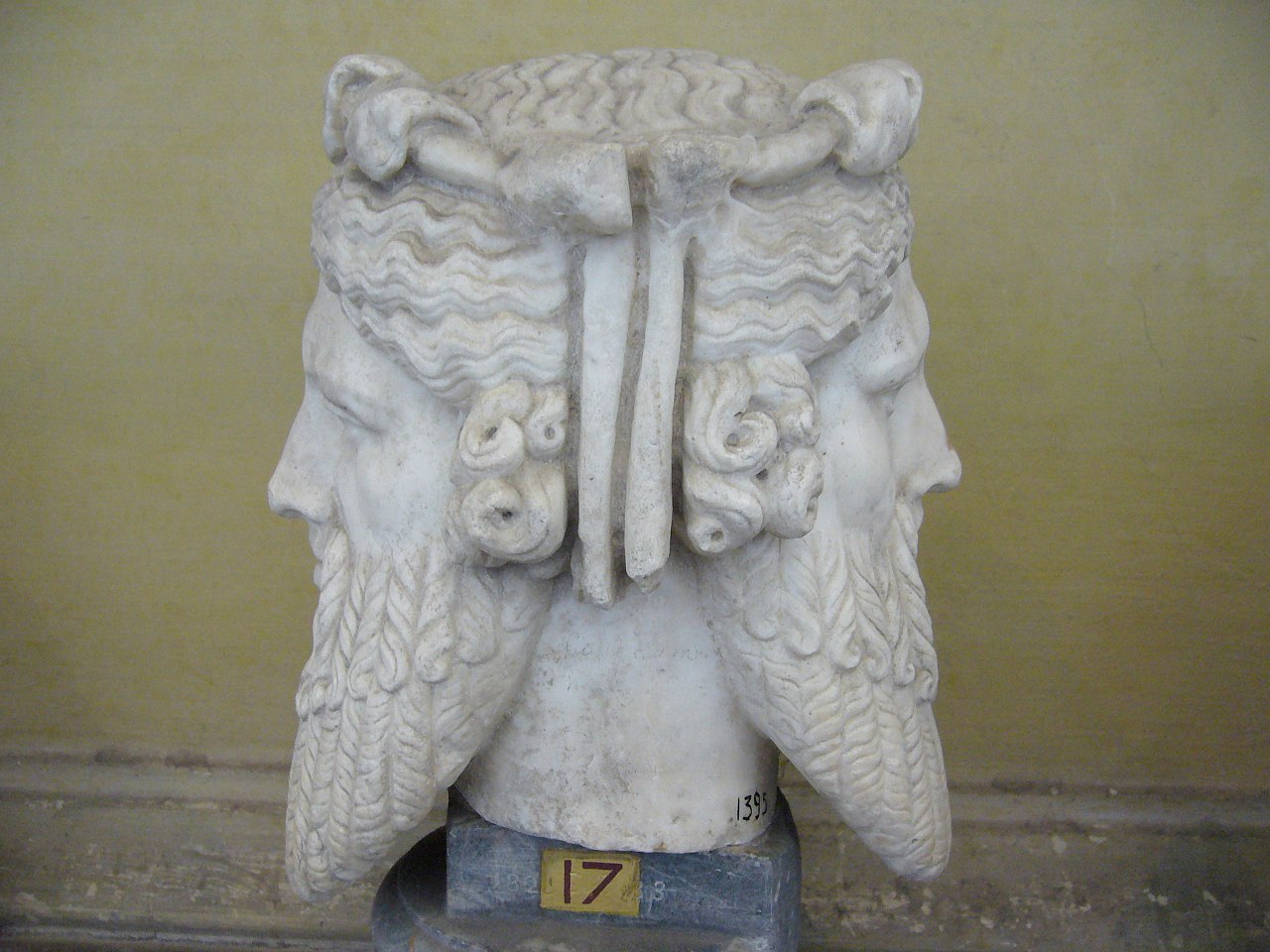
Alongside state gods, Romans honored household and local spirits that protected families and daily life. Important examples include the Vesta cult and its Vestal Virgins who tended the public hearth, the Lares and Penates who guarded the home and food stores, the Genius representing an individual's protective spirit, and Janus, the two-faced god of beginnings, gates and time.
History and Greek influence
Roman religion evolved through interaction with neighboring Italic peoples, Etruscans and Greeks. From the Republic into the Empire, Roman gods were increasingly identified with Greek counterparts (interpretatio graeca), which affected iconography, myths and philosophical interpretations. Nevertheless, Romans maintained distinctive ritual practices and legal links between cult and state authority.
Cults, festivals and legacy
Public festivals, sacrifices and priestly colleges reinforced communal identity: for instance, rites for Saturn, Ceres and other agricultural deities marked seasonal cycles. Imperial cults later added emperors to the sacred landscape. The Roman pantheon influenced Western art, literature and religious vocabulary, and many deity names survive in languages, astronomy and cultural references.
Notable distinctions
While parallels to Greek gods are common, Roman religion placed greater emphasis on ritual correctness (orthopraxy) and the civic functions of cult. Many gods served specific, practical functions rather than embodying an elaborate mythology; some deities were specialized personifications (e.g., Fortuna for luck, Terminus for boundaries). This pragmatic aspect helped Roman religion persist and adapt across centuries.
Related articles
Author
AlegsaOnline.com Roman gods and goddesses: overview and representative list Leandro Alegsa
URL: https://en.alegsaonline.com/art/125106