
Winston Churchill: British statesman, wartime leader, writer and orator
Winston Churchill (1874–1965), twice British prime minister, led Britain during World War II, won the Nobel Prize in Literature and left a complex political and cultural legacy.
Overview
Sir Winston Leonard Spencer-Churchill (30 November 1874 – 24 January 1965) was a prominent British statesman best known for leading the United Kingdom through the crisis of the Second World War. He combined public service with careers outside politics: he was honoured as OM and CH, served on the Privy Council, and is widely remembered for his speeches, books and public persona. Born into a politically connected family, Churchill spent much of his life in the House of Commons and held senior government posts for decades.
Image gallery
10 Images

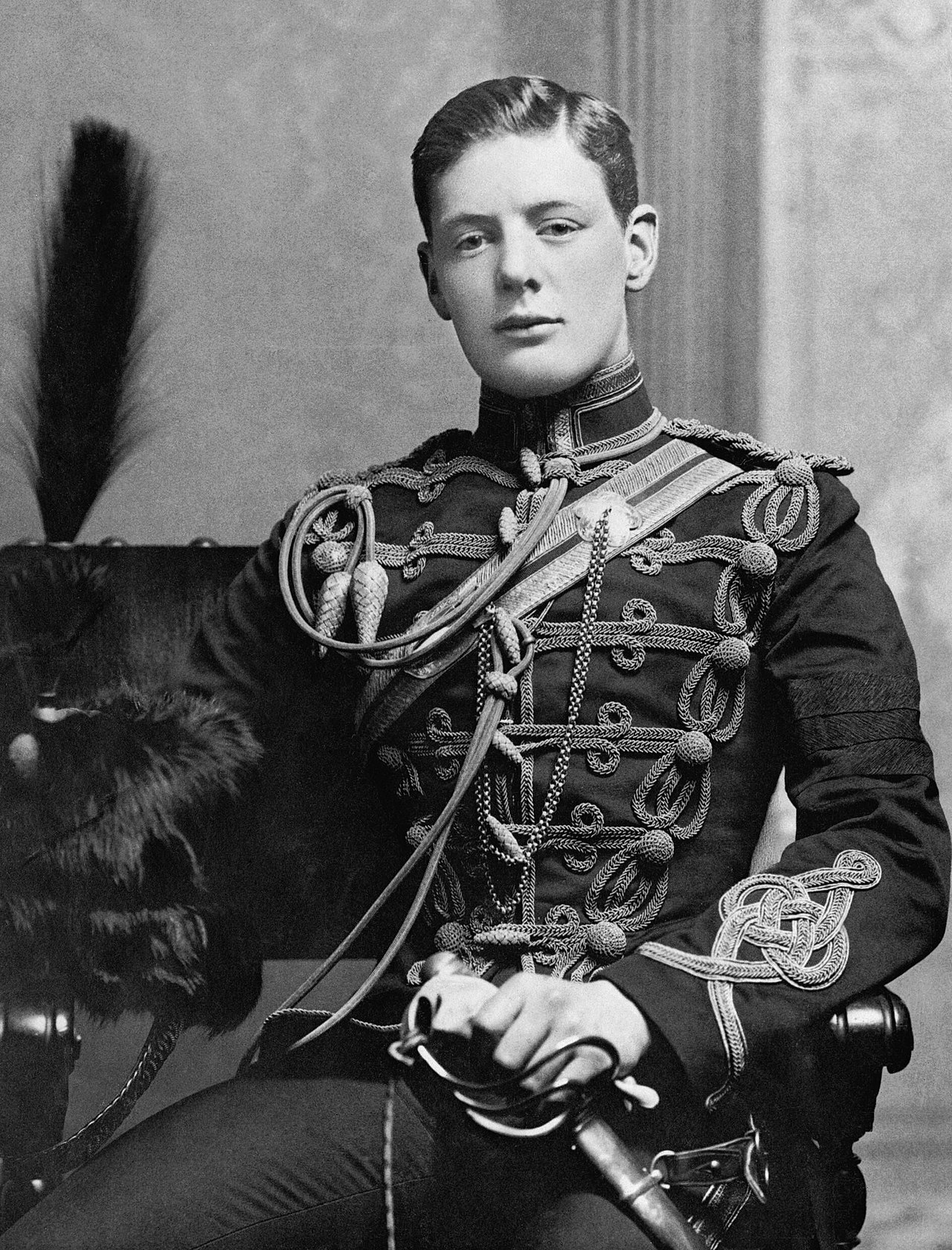
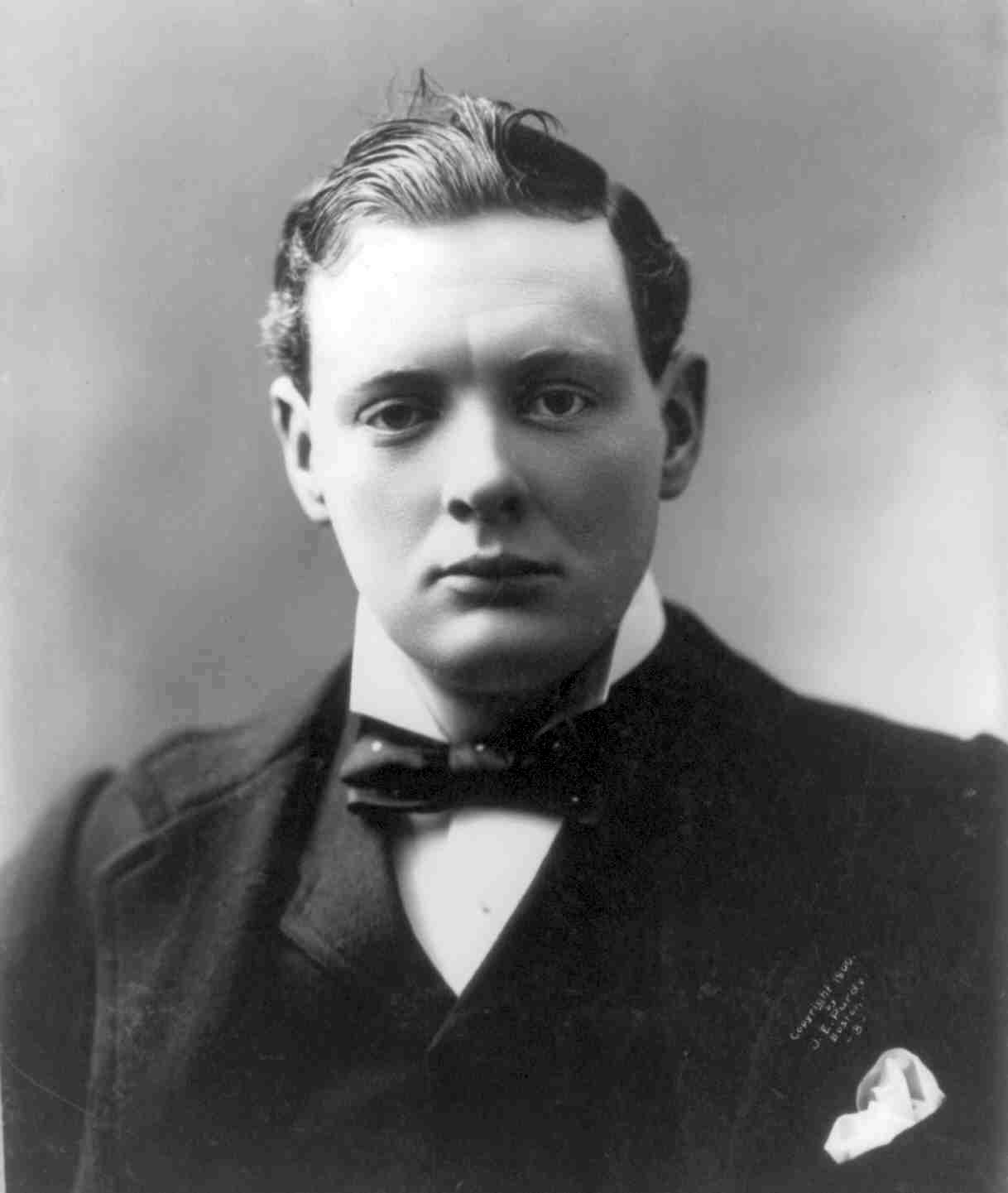


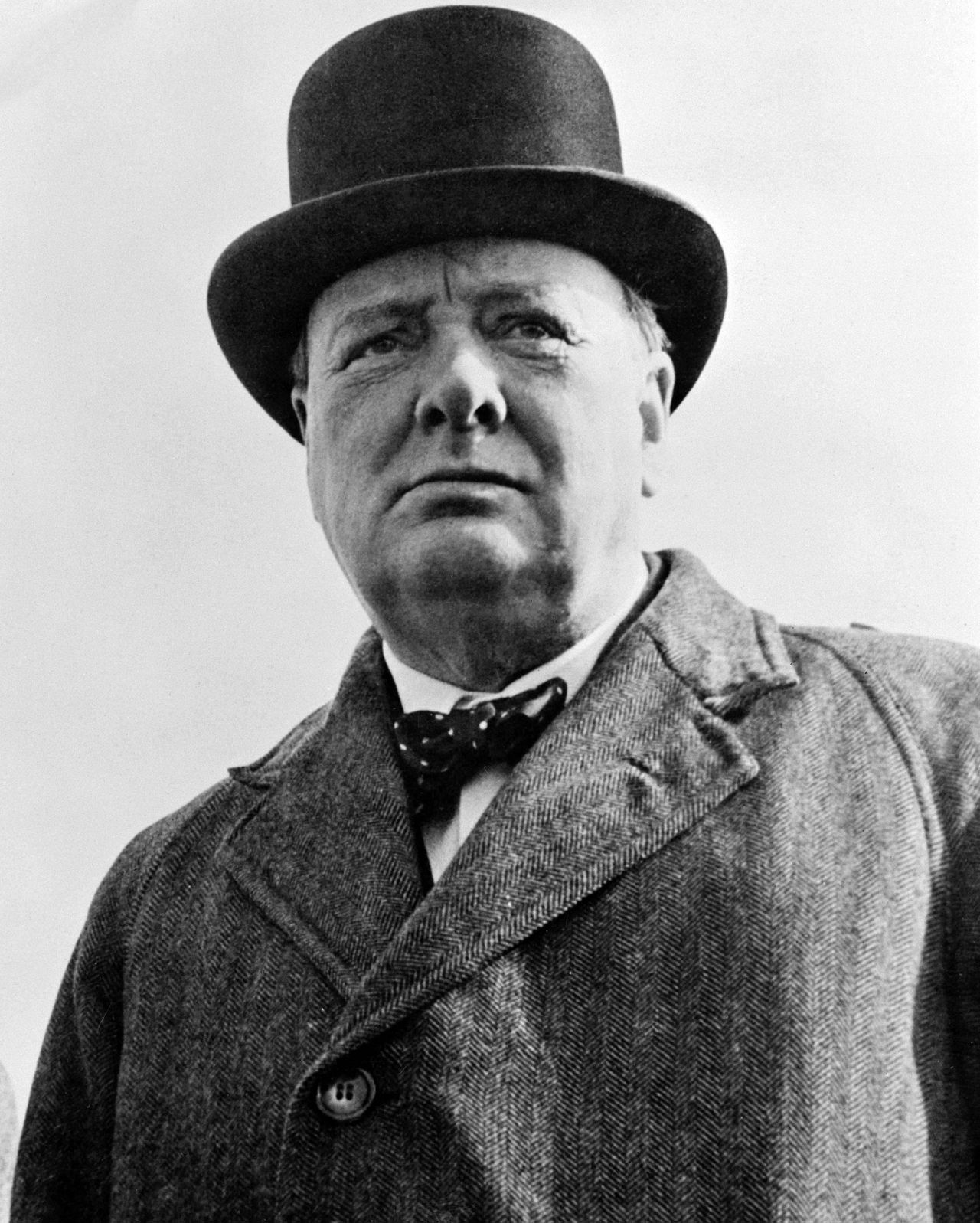
Roles and characteristics
Churchill was primarily a politician — an English public figure often described simply as a British politician — but his career was multifaceted. He served twice as Prime Minister, first during the wartime emergency of World War II and again in the early 1950s. Beyond high office, he had experience as a soldier, a war correspondent and journalist, and as an accomplished author. His public image depended as much on rhetorical skill and journalism as on parliamentary tactics.
Political life and development
Churchill's political career began at the turn of the 20th century and spanned many of the defining events of the era. He held cabinet positions before and after the First World War and later became a central figure in coalition and wartime governments. Notable for his resilience and for adopting sometimes controversial positions, Churchill is remembered for advocating steadfast opposition to Nazi Germany and for organizing Britain’s political and military response in 1940–1945. After wartime leadership brought him international fame, he returned to the premiership in the early 1950s to address postwar reconstruction and shifting global arrangements.
Writings, honours and public recognition
Churchill was a prolific writer and earned high literary honours; he received the Nobel Prize in Literature in 1953 for his historical and biographical work and for his mastery of language. His books, speeches and memoirs remain widely read. He was also much discussed in media and popular opinion: polls and broadcasters such as BBC Radio 4 and other outlets assessed his place among modern leaders. In one widely cited television poll he ranked highly among candidates nominated by the public and commentators, while historians have debated his rank among twentieth-century statesmen (twentieth century) and in comparative lists that extended from late Victorian premiers to leaders such as John Major.
Legacy and notable facts
Churchill’s reputation is complex: admired for wartime leadership, rhetorical skill and writing, yet criticized for some imperial and domestic policies. He was one of the rare senior figures to serve in high office during both world wars and his funeral in 1965 was the last British state funeral accorded to a non-royal commoner. His career intersected with many institutions and honours — from military service and journalism to knighthoods and orders — reflected by a range of posthumous memorials, debates about statues and plaques, and ongoing historical study. Media outlets and commentators have continued to evaluate his life and choices in the broader contexts of twentieth-century politics and culture (media).
Summary of major roles
- Soldier and military correspondent (soldier, journalist)
- Long-serving parliamentarian and cabinet minister; twice Prime Minister
- Author and Nobel laureate (author, Nobel Prize)
- Public figure discussed across media and historical rankings (media, historical rankings)
For readers who wish to explore primary speeches, biographies and collections of his writings, consult curated archives and reputable historical treatments (see biographical entries and institutional collections listed by major libraries and educational broadcasters). Additional context on party politics, wartime strategy and postwar reconstruction appears in specialized studies and documentary sources.
World War II testing of leadership, government service across eras, and enduring literary output combine to make Churchill a central figure in twentieth-century British and international history.
Questions and answers
Q: Who was Sir Winston Leonard Spencer-Churchill?
A: Sir Winston Leonard Spencer-Churchill was an English politician who served as Prime Minister of the United Kingdom twice, once during World War II and again in the early 1950s. He was also a soldier, journalist, and author.
Q: What did Churchill win in 1953?
A: Churchill won the Nobel Prize in Literature in 1953.
Q: How did Churchill rank among other British prime ministers?
A: In a BBC Radio 4 poll, 20 prominent historians, politicians and commentators ranked Churchill as the greatest British prime minister of the twentieth century out of 19 other prime ministers from Lord Salisbury to John Major.
Q: Was there any public influence on how he was ranked?
A: Yes, there was public influence on how he was ranked; a million votes were cast for him in a 2002 BBC 2 television poll where he was voted as the greatest Briton in history.
Q: Is Churchill the only British Prime Minister to have received a Nobel Prize?
A: Yes, Churchill is the only British Prime Minister to have received a Nobel Prize.
Author
AlegsaOnline.com Winston Churchill: British statesman, wartime leader, writer and orator Leandro Alegsa
URL: https://en.alegsaonline.com/art/133058