
Lionel Logue: Australian speech therapist who helped King George VI
Biography of Lionel Logue (1880–1953), an Australian elocutionist and speech therapist known for treating King George VI’s stammer, his methods, career, and lasting influence on therapy and public speaking.
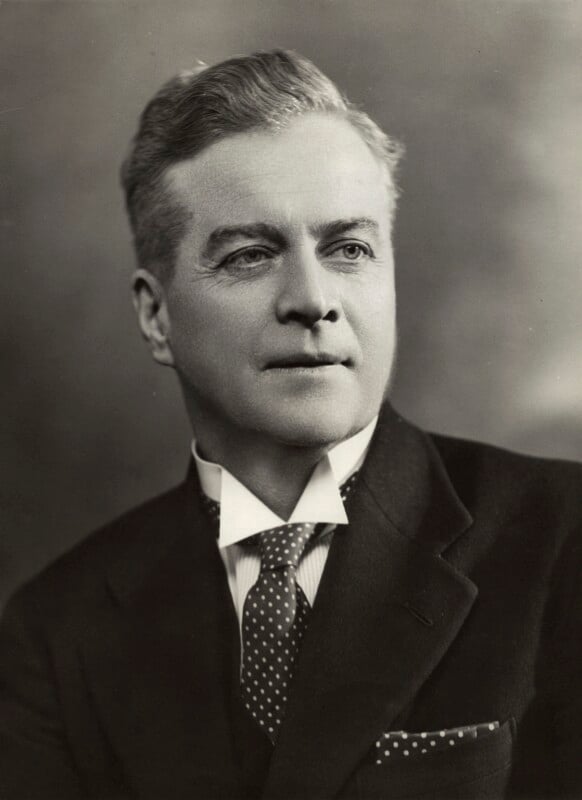
Lionel George Logue (26 February 1880 – 12 April 1953) was an Australian-born elocutionist and speech therapist best known for his professional relationship with King George VI. Combining stage experience with practical voice work, Logue developed patient-centered techniques to help people with speech difficulties. His work attracted wider attention because of its role in preparing the king for public broadcasts during a time of national crisis.
Image gallery
3 Images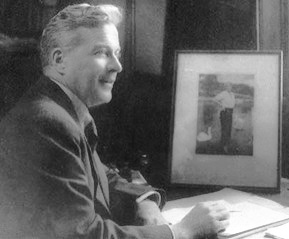
Early life and career
Born in Australia, Logue trained and worked as an actor and teacher of elocution before establishing a practice in London. Rather than following a formal medical route, he drew on theatrical methods, systematic practice and careful observation of each client. He published articles and maintained detailed case notes, which later helped historians understand his approach.
Therapeutic approach and work with George VI
Logue’s methods combined breathing and relaxation exercises, articulation drills, posture and tongue and jaw work, together with encouragement and psychological support. He treated Prince Albert (the future George VI) over several years; their collaboration emphasized daily practice, progressive goals and mutual trust. The king’s improved delivery for radio addresses during World War II is often cited as the best-known outcome of their work.
Legacy and significance
Logue helped popularize practical, nonjudgmental treatment for stammering and brought attention to the value of individualized therapy. He is remembered in biographies, stage and screen portrayals—most famously in the film that dramatized his relationship with the monarch—and in collections of his papers and notes. His career illustrates a bridge between theatrical training and modern speech therapy.
- Notable facts: Logue was an actor and teacher as well as a clinician.
- He emphasized exercises, confidence-building and homework tailored to the client.
- Further reading and sources are available through archives and biographies; see detailed references.
Related articles
Author
AlegsaOnline.com Lionel Logue: Australian speech therapist who helped King George VI Leandro Alegsa
URL: https://en.alegsaonline.com/art/58342
Sources
- adbonline.anu.edu.au : "Logue, Lionel George (1880–1953), by Suzanne Edgar"