
Wallis Simpson: American socialite whose relationship prompted a royal abdication
Biography of Wallis Simpson (1896–1986), her marriages, relationship with Edward VIII, the 1936 abdication crisis, later life as Duchess of Windsor, and her legacy in culture and history.
Wallis Simpson (born Bessie Wallis Warfield; 19 June 1896 – 24 April 1986) was an American socialite whose relationship with the then heir to the British throne became the center of a constitutional crisis in the 1930s. Born in Baltimore, Maryland, she moved in Anglo‑American social circles and was married twice before meeting Edward. The combination of her nationality and marital history made her an unsuitable candidate for a royal marriage in the eyes of many at the time.
Image gallery
10 Images
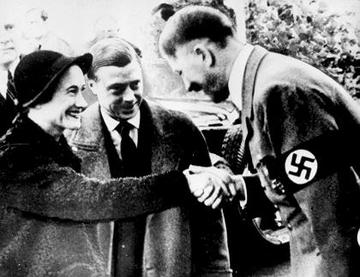


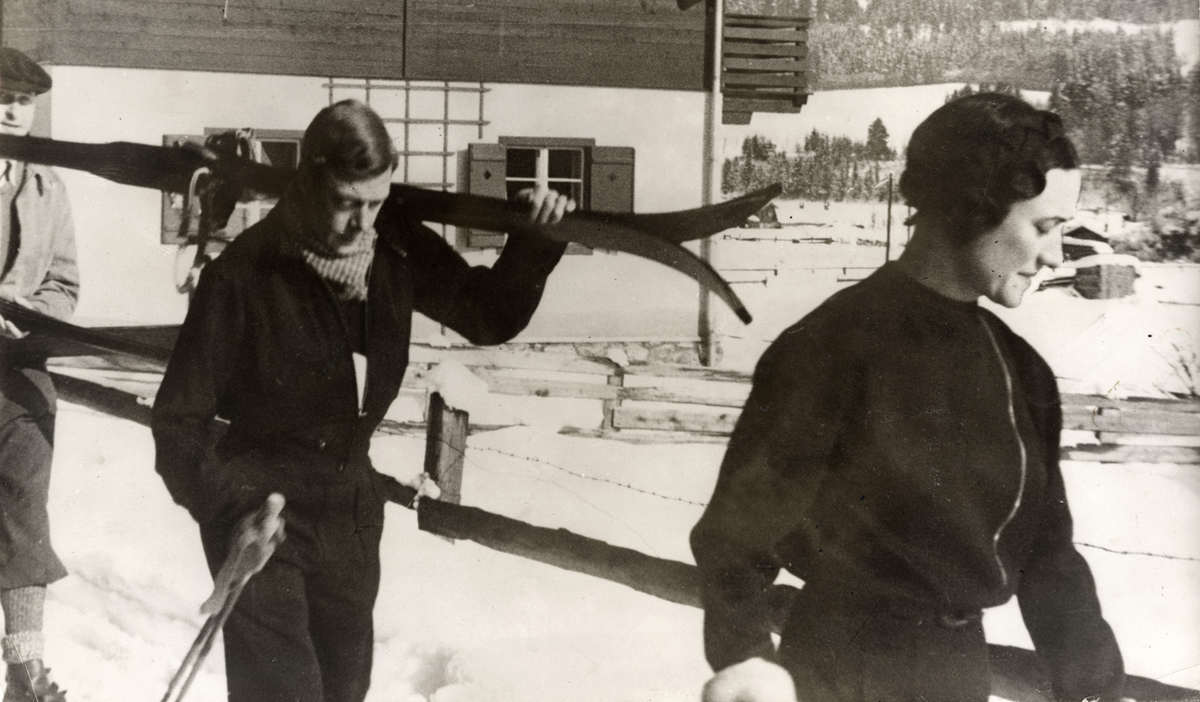



Early life and marriages
Raised in a well‑to‑do American family, Wallis Warfield first married U.S. Navy pilot Earl Winfield Spencer Jr. in 1916; that marriage ended in divorce in the 1920s. She then married Ernest Simpson, a British-American shipping executive, in 1928. By the mid‑1930s Wallis Simpson was a divorced woman who attracted considerable public attention in Britain and abroad. Her second divorce was finalized in 1937, after the crisis around her relationship with the heir apparent.
Relationship with Edward and the abdication crisis
When Prince Edward, then heir presumptive and later King Edward VIII, fell in love with Wallis Simpson, the relationship collided with constitutional and religious expectations surrounding the British crown. Many in government, the Church of England, and the public opposed a reigning monarch marrying a twice‑divorced foreigner. The disagreement culminated in Edward's decision to renounce the throne in December 1936 so that he could marry Wallis; historians regard this as an unprecedented voluntary abdication that transferred the crown to his brother.
Marriage and life as Duchess of Windsor
After the abdication, Edward was created Duke of Windsor and he and Wallis married in 1937. She became known as the Duchess of Windsor, though she was never granted the style Her Royal Highness. The couple spent much of their lives abroad, notably in France and the United States, and maintained an active social life while remaining distant from official royal duties. Their lifestyle and friendships generated both fascination and criticism, and allegations about their political sympathies in the 1930s have been debated by scholars.
Legacy and public perception
Wallis Simpson remained a controversial and compelling figure until her death in 1986. She inspired biographies, plays, films and television dramas that explore questions of love, duty and power. Her story is often cited in discussions about monarchy, marriage, and media attention to private lives. For further reading on the constitutional issues prompted by the episode, see material on the British succession and monarchy and on the era's social attitudes toward divorce and remarriage.
Key facts and distinctions
- Born Bessie Wallis Warfield in Baltimore (1896) and died in Paris (1986).
- Married three times: to Earl Winfield Spencer Jr., Ernest Simpson, and later to Edward, Duke of Windsor.
- The 1936 abdication is a rare instance of a British sovereign relinquishing the throne voluntarily.
- Her divorces and American citizenship made the proposed royal marriage controversial; contemporary debates touched on law, religion and public opinion — see contemporary accounts of divorce and marriage law for context.
Wallis Simpson's life intersects social history, constitutional law and popular culture, and she remains a frequent subject of study for those interested in the interplay between private relationships and public institutions.
Questions and answers
Q: Who was Wallis Simpson?
A: Wallis Simpson was a woman born Bessie Wallis Warfield on 19 June 1896 who later became the Duchess of Windsor.
Q: What crisis did she cause in the mid-1930s?
A: In the mid-1930s, Wallis Simpson caused a serious crisis when Prince Edward, heir to the throne of the United Kingdom, fell in love with her.
Q: Was Wallis married at this time?
A: Yes, at this time Wallis was married to another man.
Q: Did she get divorced from her first husband?
A: Yes, she got divorced from her first husband in order to marry her second husband.
Q: When did she divorce her second husband?
A: She divorced her second husband in 1936.
Q: How old was Wallis Simpson when she died?
A: Wallis Simpson died on 24 April 1986 at the age of 89.
Author
AlegsaOnline.com Wallis Simpson: American socialite whose relationship prompted a royal abdication Leandro Alegsa
URL: https://en.alegsaonline.com/art/132708