
The King's Speech (2010 film)
Overview of the 2010 British historical drama about King George VI, his work with speech therapist Lionel Logue, the film's historical context, production, reception and themes.
The King's Speech is a 2010 British historical drama that dramatizes the efforts of Prince Albert, later King George VI, to overcome a severe stammer and to perform the public duties expected of a monarch. Directed by Tom Hooper and written by David Seidler, the film brought renewed public attention to a little-known personal relationship at the heart of a constitutional monarchy. The King's Speech combines biographical drama with period detail to explore leadership, disability and friendship.
Image gallery
10 Images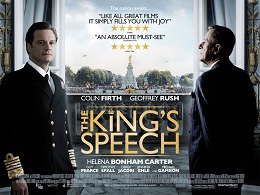




Plot summary
The narrative follows Prince Albert (later George VI), played by Colin Firth, whose lifelong stammer complicates his public role. He seeks the help of Lionel Logue, an unorthodox speech practitioner played by Geoffrey Rush. Logue, an Australian who relies on a mix of exercises, breathing work and frank personal counsel, builds a working rapport with the prince. Their sessions, rehearsals and the evolving friendship are dramatized against the backdrop of the 1930s, the abdication crisis and the lead-up to the king's wartime radio broadcast. The film also reflects on the abdication of Edward VIII and the sudden responsibilities that fall on the new sovereign.
Historical context and accuracy
Set in the interwar period, the film compresses chronology and simplifies some events for dramatic clarity. It is grounded in documented facts about the royal household and the existence of Lionel Logue, but it emphasizes the human story rather than offering a full documentary account. The use of radio to address the nation at the outbreak of World War II is presented as a defining moment that required both technical skill and emotional steadiness from the king.
Production and reception
Directed by Hooper with a screenplay by Seidler, the film was widely praised for its performances, production design and tone. Critics singled out the chemistry between the leads and the film's respectful treatment of disability. It achieved significant awards recognition and helped popularize interest in speech therapy and in the historical figures it portrays. For background on the film's development and release see production notes and coverage.
Themes and legacy
The film examines vulnerability, class, masculinity and the public face of leadership. It portrays therapeutic work as a blend of practical technique and emotional support, and prompts reflection on how public expectations shape judgments of private capacity. The story has become a common reference point in discussions about representation of disability on screen and about how personal relationships can shape public history.
Cast, crew and notable elements
- Main performers: Colin Firth (George VI) and Geoffrey Rush (Lionel Logue).
- Creative team: director Tom Hooper, writer David Seidler and the principal production department shaped the film's period look.
- Historical anchor points: the abdication of Edward VIII and the king's wartime radio address, which the film dramatizes as a moment of national unity.
- Public interest: the film generated renewed attention to Logue's methods and to the royal family during a pivotal decade of the twentieth century; archival material and biographies expand on the events depicted here.
As an accessible dramatisation, the film serves as an entry point for readers who wish to learn more about the people involved, their historical context, and the history of speech therapy as a clinical practice. Further reading and sources on the real figures and events are available through historical studies and biographies linked by reference collections and specialist sites. See also biographical notes on Logue and George VI at specialized archives and film resources: Lionel Logue profiles, Australian biographical entries, and general film coverage at film reference pages (on stammering and therapy, on wartime broadcasting).
Related articles
Author
AlegsaOnline.com The King's Speech (2010 film) Leandro Alegsa
URL: https://en.alegsaonline.com/art/98272
Sources
- bbfc.co.uk : "The King's Speech rated 12A by the BBFC"
- bfi.org.uk : "The King's Speech (2010) - BFI"
- bbc.co.uk : "Oscars 2011: Film Council basks in King's Speech glory"