
George Osborne (British politician and editor)
Overview of George Osborne: Conservative MP (2001–2017), Chancellor of the Exchequer (2010–2016), later editor of the Evening Standard and public figure from an Anglo‑Irish family.
Overview
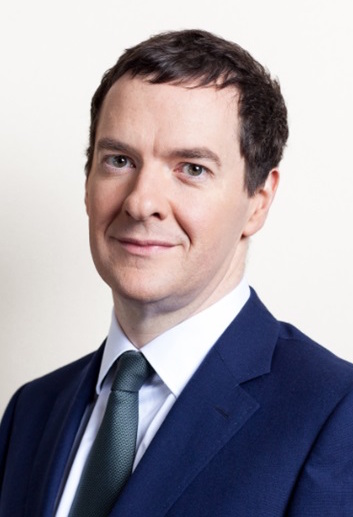
George Gideon Oliver Osborne (born 23 May 1971) is a British political figure and journalist best known for serving as Chancellor of the Exchequer from 2010 to 2016 in the coalition and Conservative governments led by David Cameron. He represented the Tatton constituency as a Conservative Member of Parliament from 2001 until he stood down in 2017. After leaving frontline politics he moved into media and the private sector, including serving as editor of the Evening Standard.
Image gallery
5 Images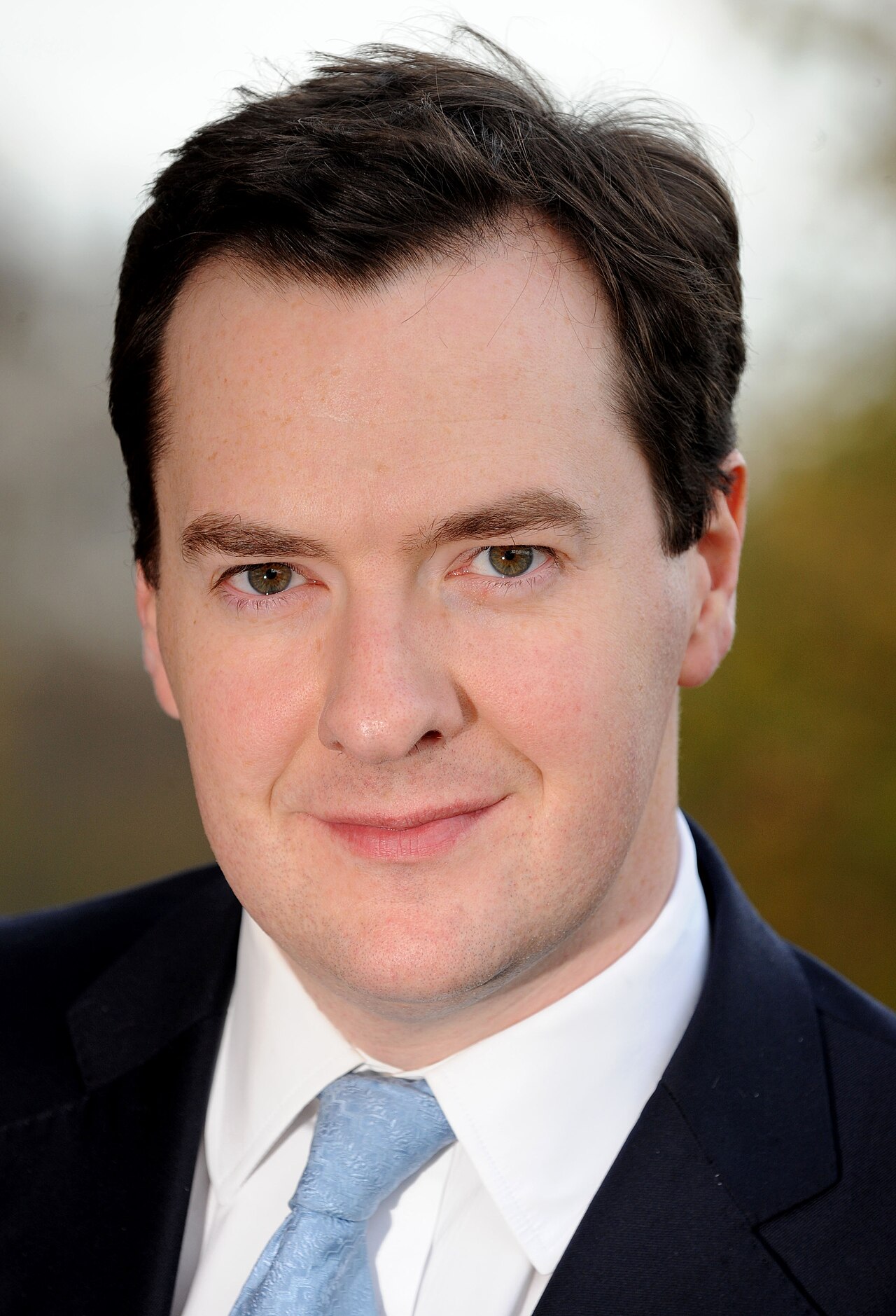

Early life and education
Born in Paddington, London, Osborne was raised in a family with Anglo‑Irish roots and is heir to an Osborne baronetcy in Ireland. He was educated at independent schools and at the University of Oxford, where he read history and became involved in student politics. Early in his career he worked in financial journalism and as an adviser within Conservative circles before winning selection for the Tatton seat in 2001.
Political career and offices
Osborne entered the shadow cabinet in the mid‑2000s and was appointed Shadow Chancellor in 2005. When the Conservative Party formed a government in coalition with the Liberal Democrats in 2010, he became Chancellor of the Exchequer. In that role he pursued a programme of deficit reduction, announcing a series of spending cuts and fiscal measures intended to reduce the UK budget deficit. His tenure included the introduction of mechanisms intended to increase fiscal transparency and independent forecasting in the public finances.
Policies, reputation and controversies
Osborne became closely identified with the austerity approach to public spending adopted by the coalition government. Supporters argued these measures were necessary to stabilize public finances after the financial crisis of 2007–2009, while critics said the cuts hurt public services and slowed growth. He also championed tax changes, infrastructure initiatives and enterprise incentives aimed at long‑term economic competitiveness. His record remains a subject of debate among economists and historians.
Later career, honours and roles
Following the 2016 change of prime ministership, Osborne left the Treasury and was succeeded by Philip Hammond. He announced in 2017 that he would not seek re‑election and subsequently took on roles in journalism and business, most notably as editor of the Evening Standard from 2017 to 2020. He was named a Companion of Honour in 2016. Since leaving elected office he has continued to comment on public policy and to serve on various boards and initiatives.
Personal background and notable facts
Osborne's family background links him to the historical Anglo‑Irish Ascendancy, and he is heir to a hereditary baronetcy associated with land in Ireland. His career spans politics, media and finance, making him a prominent example of a modern public figure who moved between government and the private sector. Debates over his legacy focus on the economic effects of deficit reduction, the balance between austerity and growth, and the long‑term outcomes of the 2010s fiscal policies.
Further reading and links
- Biography and honours
- Parliamentary service
- Political affiliation
- Career overview
- Chancellor of the Exchequer role
- Association with David Cameron
- Conservative Party profile
- Tatton constituency history
- House of Commons records
- Paddington and early life
- London connections
- University education
- Shadow cabinet service
- Appointments by party leaders
- Fiscal measures announced
- Budgetary figures and announcements
- Budget deficit context
- Change of prime minister
- Successor at the Treasury
- Evening Standard editorship
- Anglo‑Irish heritage
- Osborne baronetcy background
- County Tipperary connection
- County Waterford connection
This article provides a concise, neutral account summarising public and widely reported aspects of George Osborne's life and career. For detailed primary sources and official records, consult the links above.
Related articles
Author
AlegsaOnline.com George Osborne (British politician and editor) Leandro Alegsa
URL: https://en.alegsaonline.com/art/119631
Sources
- bbc.co.uk : "George Osborne to quit as MP for Tatton at election"
- bbc.com : "Osborne tops ex-PM's honours list"
- mirror.co.uk : "George Osbourne and the Hoares: Top Tory who wants to look after our money puts his in haven for super-rich"
- thisislondon.co.uk : "George Osborne and William Hague"
- George Osborne