
Theresa May: British political leader and former Prime Minister
Overview of Theresa May’s life, political career, leadership during the Brexit period, major offices held, controversies, and legacy.
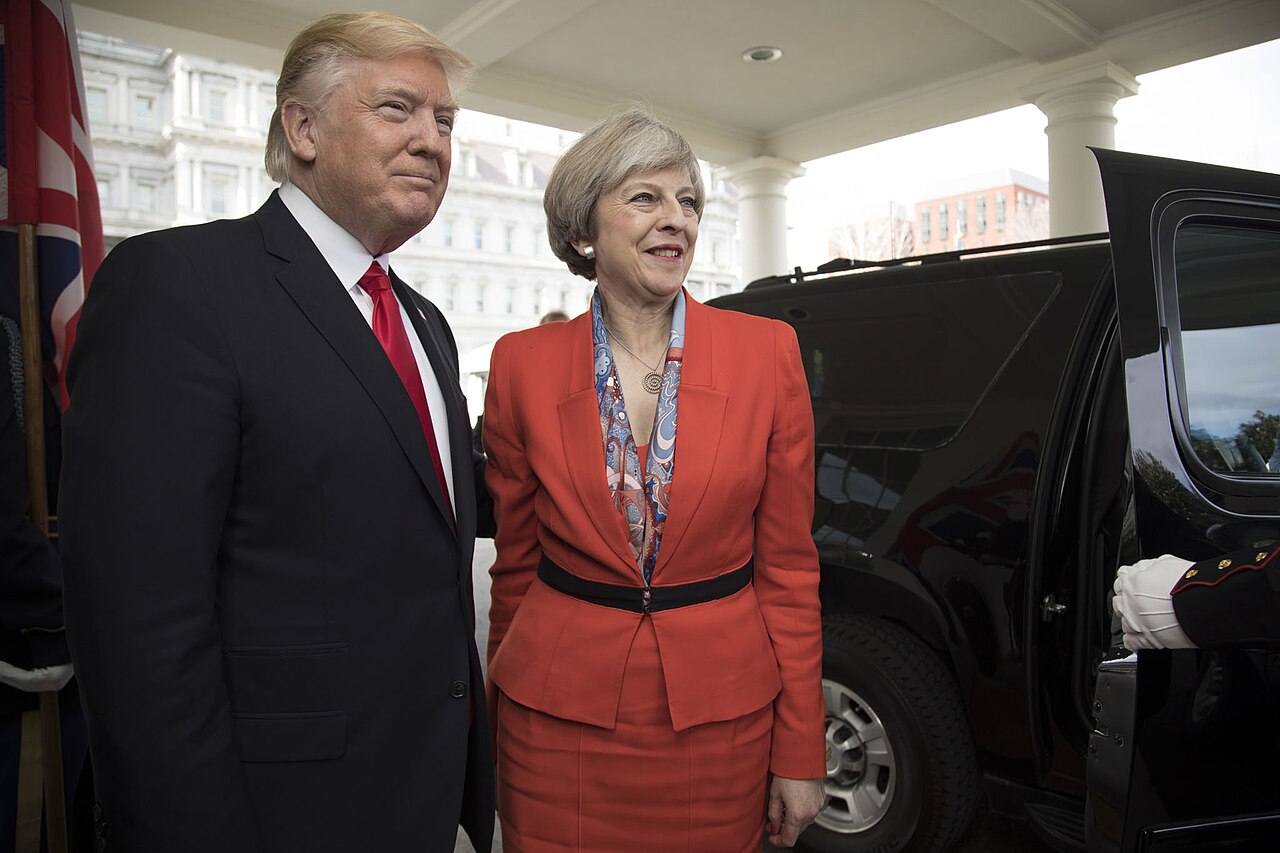
Theresa May is a British politician best known for serving as Prime Minister of the United Kingdom from 2016 to 2019. A member of the Conservative Party since her early parliamentary career, she led the party through a turbulent period defined by the United Kingdom’s decision to leave the European Union. Her premiership focused on negotiating a Brexit withdrawal agreement, managing divisions within Parliament and her party, and maintaining public services while pursuing a message of stability and public service reform.
Image gallery
10 Images



Early life and background
Born Theresa Mary Brasier in October 1956 in Eastbourne, in the county of Sussex, she was raised in Oxfordshire. She studied at the University of Oxford and worked in the civil service and financial sector before entering elective politics. Her early professional experience shaped a reputation for attention to administrative detail and a cautious, managerial style of leadership.
Parliamentary career and ministerial roles
Theresa May was first elected to the House of Commons as the Member of Parliament for Maidenhead where she has served continuously. Over successive parliaments she gained experience on domestic policy and security matters. She became Home Secretary in the government led by David Cameron, a senior cabinet post she held through 2010–2016. As Home Secretary she oversaw immigration policy, policing and national security, and attracted attention for reforms and controversial proposals on surveillance and deportation.
Prime ministership and Brexit
May became Prime Minister following the 2016 referendum on EU membership. Her central task as leader was to negotiate the terms of the United Kingdom’s withdrawal from the European Union—commonly referred to as Brexit. She sought to balance competing demands from hardline Eurosceptics, moderate Conservatives and opposition parties, producing a withdrawal agreement that was debated and repeatedly voted on in the House of Commons. Despite significant parliamentary defeat(s), she continued to argue for an orderly exit and for securing transitional arrangements to reduce disruption to trade and citizens’ rights.
Leadership challenges and resignation
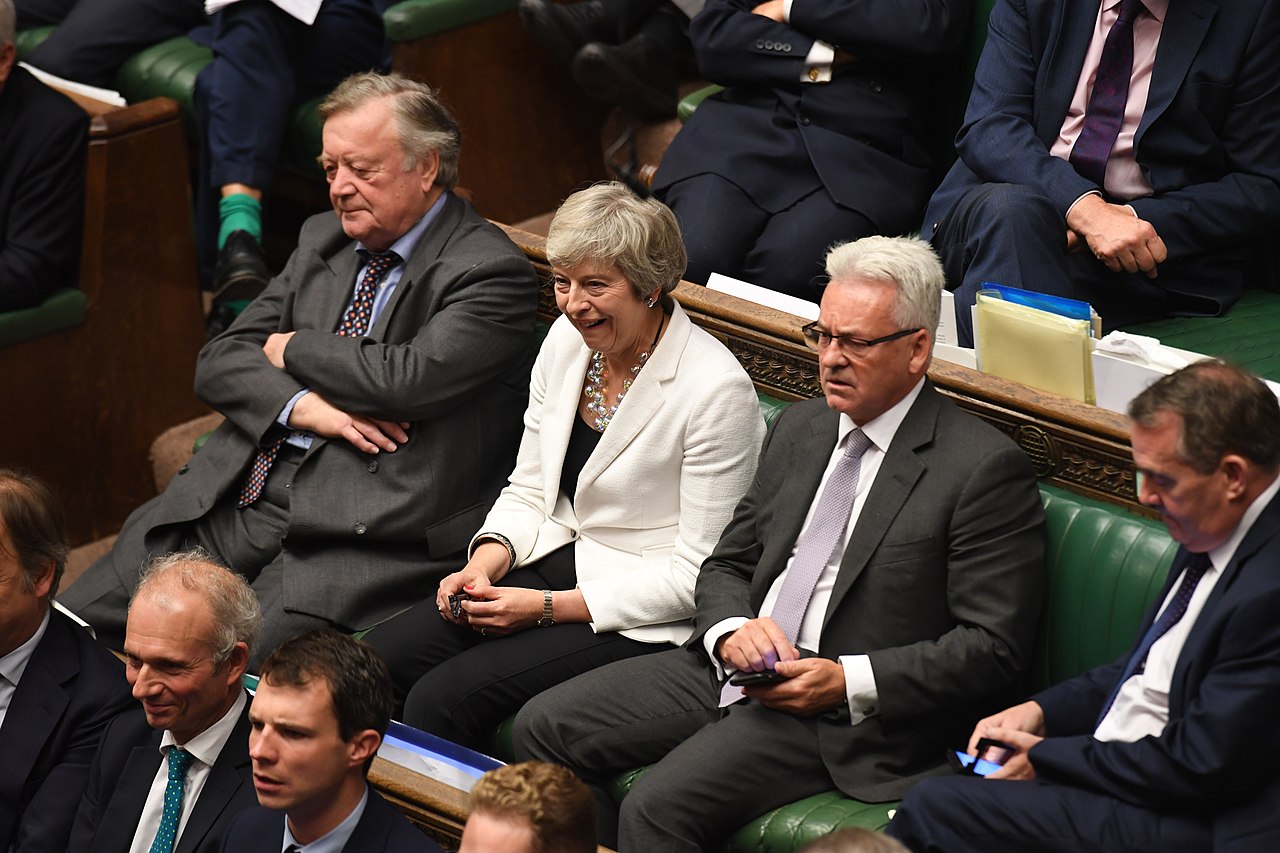
May’s leadership was tested by internal opposition. At one point a tranche of letters to the chair of the Conservative Party’s backbench committee prompted a confidence vote in her leadership chaired by Sir Graham Brady. She won the internal confidence contest but faced ongoing parliamentary obstacles. Opposition leaders also tabled formal challenges to her government, including a motion of no confidence led by Jeremy Corbyn. In 2019 she announced her intention to step down as Conservative leader and to leave 10 Downing Street once a successor was chosen; she was succeeded by Boris Johnson.
Offices, honors and international roles
- Member of Parliament for Maidenhead (since the late 1990s)
- Home Secretary in the Cameron government (Home Secretary)
- Prime Minister of the United Kingdom (Prime Minister)
- Served in Commonwealth roles, including a period as Commonwealth Chair-in-Office
Legacy and notable facts
Theresa May’s tenure is often discussed in the context of Brexit and of how party politics and parliamentary arithmetic can shape national strategy. Commentators note her emphasis on duty, civil service experience and cautious rhetoric, as well as the political costs of navigating unresolved national decisions. Her time in office also highlighted questions about party unity, the role of backbench influence within her party and the challenges of negotiating complex international agreements. While assessments of her legacy vary, she remains a prominent figure in recent British political history whose career illustrates the tension between administrative competence and political compromise.
For more context on specific episodes and detailed timelines, see sources on parliamentary records and contemporary news coverage.
Further reading on party politics | About her constituency | Context on the Cameron government | Opposition responses
Questions and answers
Q: Who is Theresa May?
A: Theresa May is a British politician and the Prime Minister of the United Kingdom from 2016 to 2019.
Q: Where was she born?
A: She was born in Eastbourne, Sussex.
Q: What position did she hold in the David Cameron government?
A: She was the Home Secretary in the David Cameron government.
Q: When did 48 Conservative MPs submit letters of no confidence to Sir Graham Brady?
A: On 12 December 2018, 48 Conservative MPs had submitted letters of no confidence to the Chairman of the 1922 Committee Sir Graham Brady.
Q: How many votes did her Brexit proposal fail by in House of Commons?
A: Her Brexit proposal failed in the House of Commons by a 432 to 202 vote.
Q: When did she announce her resignation as party leader would take effect?
A: On 24 May 2019, she announced that her resignation as party leader would take effect on 7 June.
Q: Who replaced her as Prime Minister?
A: She was replaced by Boris Johnson.
Author
AlegsaOnline.com Theresa May: British political leader and former Prime Minister Leandro Alegsa
URL: https://en.alegsaonline.com/art/131767