
Philip Hammond: British politician and former Chancellor
Concise encyclopedia entry on Philip Hammond, Baron Hammond of Runnymede: background, parliamentary and cabinet career, policy interests, Brexit-era actions and later roles, with links to primary sources.
Overview
Philip Hammond, Baron Hammond of Runnymede PC (born 4 December 1955) is an English politician who served in senior United Kingdom Cabinet posts in the 2010s. Elected to Parliament in 1997, he represented the Runnymede and Weybridge constituency until he left the House of Commons in 2019. A member of the Conservative parliamentary party for most of his career, Hammond held a succession of departmental briefs and is widely regarded as a pragmatic, fiscally cautious figure within his party.
Image gallery
9 Images
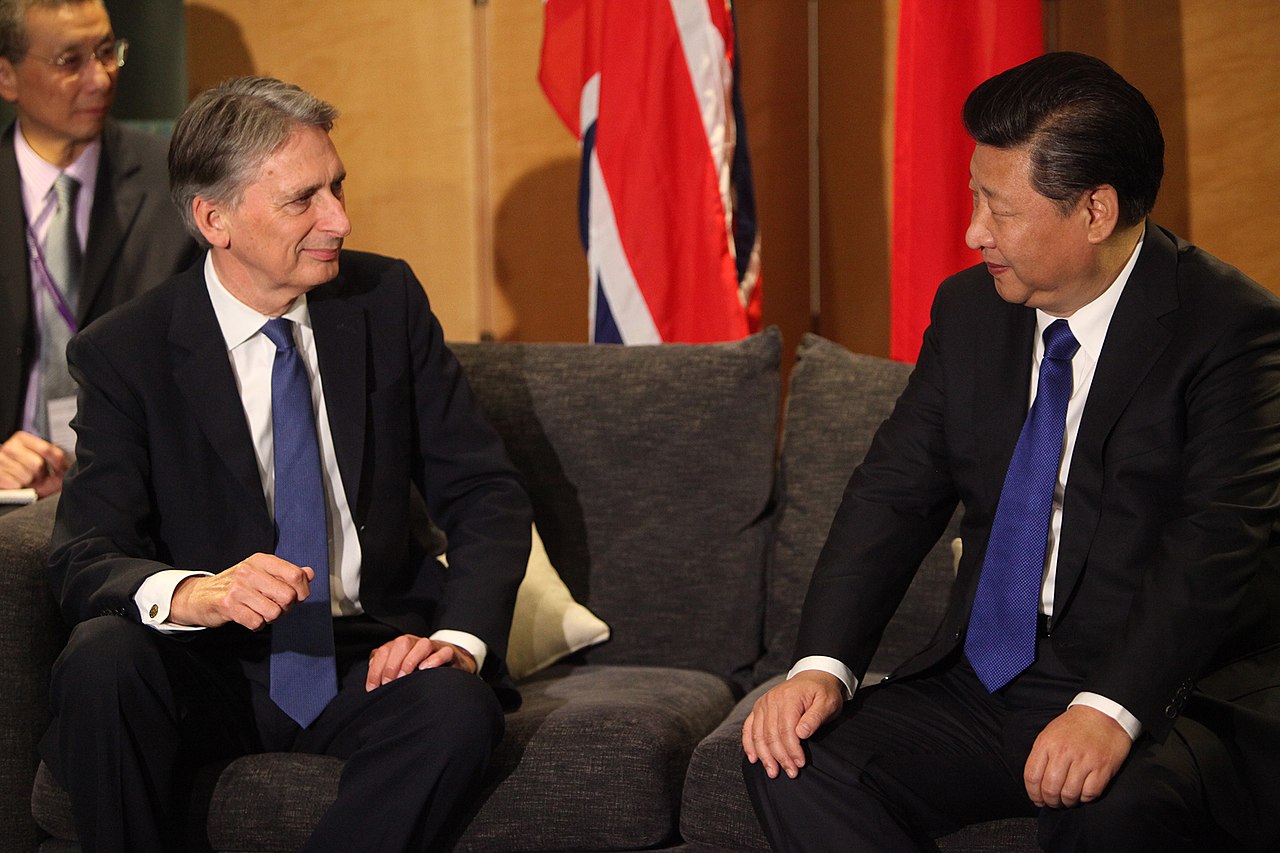


Early parliamentary career
Hammond won election in 1997 as the first MP for the newly created Runnymede and Weybridge seat. During his early years in the Commons he served on select committees and as a frontbench spokesman before entering ministerial office. He was appointed to the Privy Council in May 2010, a formal recognition of his role in senior government.
Cabinet offices
From 2010 Hammond entered Cabinet-level government. He served as Secretary of State for Transport, taking charge of transport policy and infrastructure priorities. He subsequently served as Secretary of State for Defence and then as Foreign Secretary, before being appointed Chancellor of the Exchequer in 2016. As Chancellor he was responsible for the government's fiscal and economic policy during a period dominated by the implications of the 2016 referendum on European Union membership and by the negotiations that followed.
Policy positions and initiatives
Hammond combined an emphasis on fiscal responsibility with support for infrastructure and regional investment. He advocated long-term planning for transport and economic development and promoted regional growth measures such as the Midlands Engine Strategy in 2017 as part of efforts to rebalance economic activity across the country. As Chancellor he sought to sustain public investment while maintaining commitments to deficit reduction, and he emphasised risk management and continuity in economic management during uncertain times.
Brexit and party discipline
Hammond supported the Remain side in the 2016 EU membership referendum but served in successive Conservative governments after the vote. During the intense parliamentary debates over Brexit he took positions that at times conflicted with the government majority, notably opposing the use of a no-deal outcome as government policy. In 2019 his votes against government motions designed to preserve a no-deal option led to his suspension from the Conservative parliamentary party and to his leaving frontline Commons politics later that year.
Later roles and assessment
Following his departure from the House of Commons Hammond has retained a public profile as an experienced former Cabinet minister. Commentators and political analysts have variously described his approach as cautious and managerial: he valued institutional continuity, professional civil service advice and measured responses to economic shocks. His record is often discussed in relation to the fiscal choices made during the Brexit process and to debates over regional investment and infrastructure policy.
Notable facts
- Birthplace: Born in Epping, Essex.
- Constituency: First MP for Runnymede and Weybridge, elected 1997.
- Cabinet posts: Held senior offices including Transport, Defence, Foreign Secretary and Chancellor.
- Privy Council: Appointed in May 2010.
- Brexit-era action: Suspended from the party in 2019 after voting against measures that left open a no-deal Brexit.
Further reading and links
For official records, speeches and biographical summaries consult primary sources and institutional archives. Representative entries and documents include the Privy Council record, ministerial appointment announcements and constituency information:
- Privy Council entry and honours
- Biographical profile
- Birthplace and early life references
- Chancellor of the Exchequer role details
- Secretary of State for Transport appointment
- Runnymede and Weybridge constituency information
- UK parliamentary context and records
- Midlands Engine Strategy and regional policy material
- Conservative Party affiliation and history
- Brexit votes and parliamentary proceedings in 2019
Author
AlegsaOnline.com Philip Hammond: British politician and former Chancellor Leandro Alegsa
URL: https://en.alegsaonline.com/art/128676