
County Tipperary (Ireland)
County Tipperary is a large inland county in Munster, Ireland, known for its agricultural landscape, historic sites like the Rock of Cashel, and its traditional association with Gaelic games and rural culture.
County Tipperary (Irish: Contae Thiobraid Árann) is an inland county in Ireland, situated within the province of Munster. Named after the town of Tipperary, the county has long been recognised for its mixed farmland, rolling hills and a number of important historic sites. Historically the county was administered as two divisions—North Tipperary and South Tipperary—but in recent years it functions as a single local government area.
Image gallery
7 Images



Geography and divisions
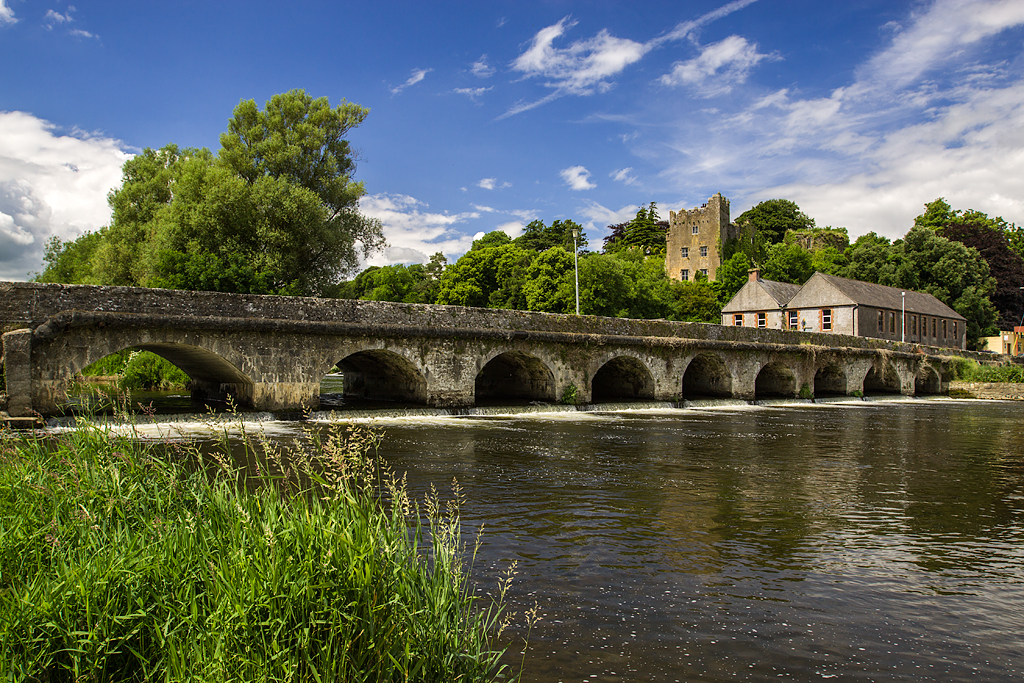
Tipperary occupies a broad swathe of central-southern Ireland, combining low-lying river valleys with upland ranges. Major rivers and tributaries cross the county, contributing to fertile soils suitable for pasture and tillage. The landscape includes mountain ranges and elevated plateaus that form important habitats and scenic countryside used for both agriculture and recreation.
History and identity
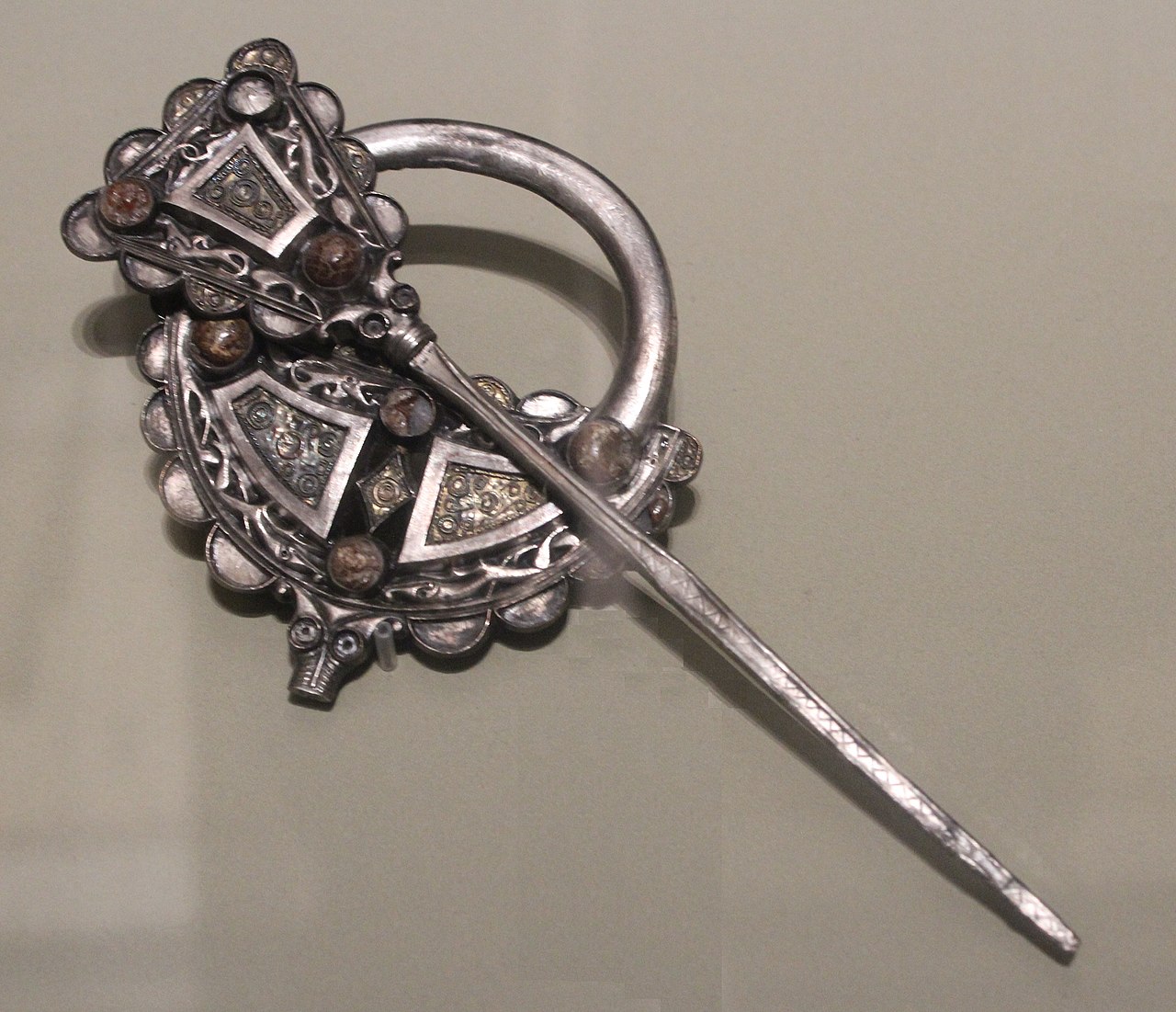
The county has deep historical roots stretching from early medieval sites to Norman and later periods. It contains notable ecclesiastical and castle sites that reflect its role in Irish history. Culturally, Tipperary is associated with traditional Irish music, farming communities and Gaelic sport; Thurles is especially significant as an early centre of the Gaelic Athletic Association, founded in the late 19th century.
Economy, transport and culture
Agriculture—particularly dairy, beef and mixed farming—has long been central to the county’s economy, supported by towns that provide services, small industry and local markets. Road and rail connections link Tipperary with regional cities, facilitating trade and tourism. Local festivals, agricultural shows and sporting events remain important to community life.
Notable places and attractions
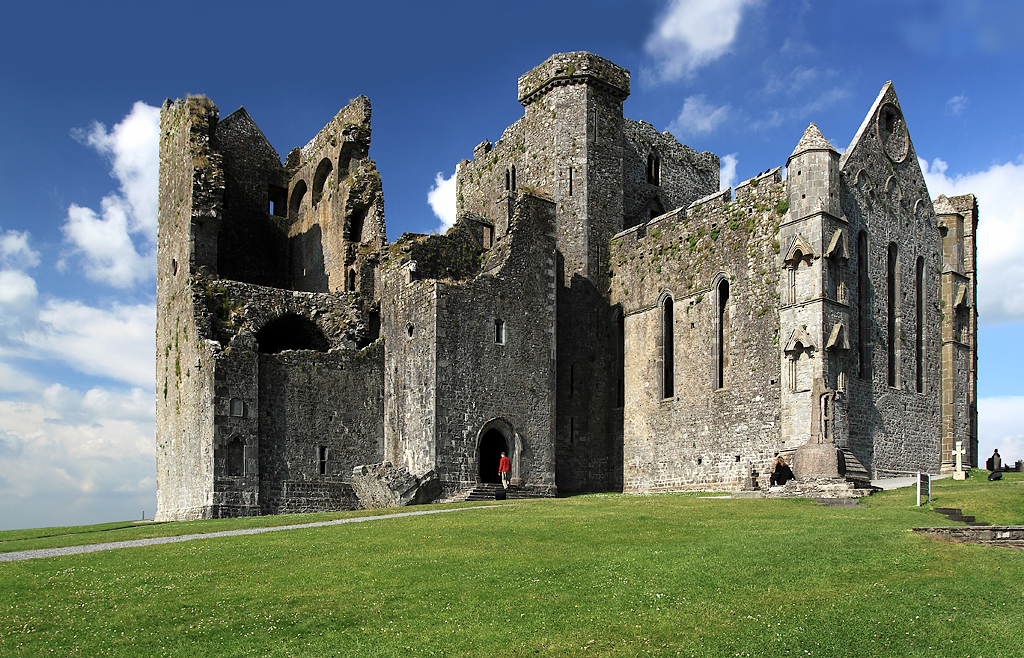
- Rock of Cashel: a prominent historic complex of medieval architecture and ecclesiastical ruins.
- Thurles: known for its GAA heritage and cultural activity.
- Clonmel, Nenagh, Carrick-on-Suir and other towns: regional centres for commerce and local services.
- Rivers and mountain areas: popular for countryside recreation and scenic drives.
Tipperary combines rural character with a strong sense of local identity. Its mixture of historic sites, agricultural landscapes and community traditions make it a representative example of Ireland’s inland counties.
Related articles
Author
AlegsaOnline.com County Tipperary (Ireland) Leandro Alegsa
URL: https://en.alegsaonline.com/art/23545