
George Pell: Australian Catholic Cardinal, Vatican Official, and Legal Controversy
Biography of George Pell, Australian cardinal who served as Archbishop of Melbourne and Sydney and as the Vatican’s first prefect for the economy; his career, legal proceedings, and public significance.
George Pell (born 8 June 1941) is an Australian Catholic cardinal known for his senior roles within the Catholic Church and for a high-profile legal case that drew global attention. He served as Archbishop of Melbourne and later Archbishop of Sydney, and in 2014 was appointed the inaugural Prefect of the Secretariat for the Economy at the Vatican. Pell has been a prominent and often polarising figure in discussions about church governance, liturgy, and the handling of clerical abuse.
Image gallery
4 Images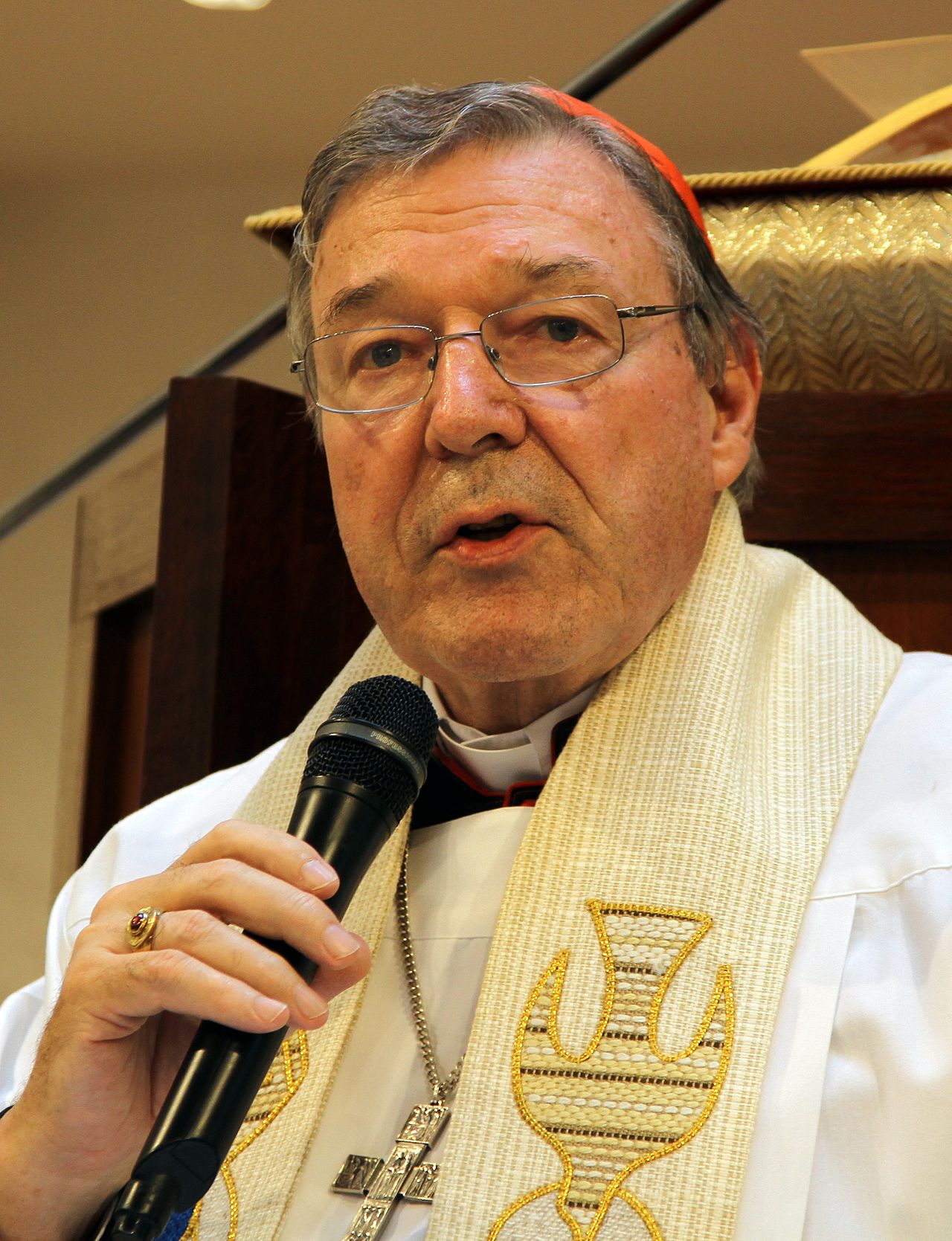


Early life and ordination
Pell was born in Ballarat, Victoria, and grew up in regional Australia before entering seminary training. He was ordained to the priesthood in 1966 and pursued theological studies and pastoral work in Australia and abroad. Over the following decades he rose through episcopal ranks, serving first as an auxiliary bishop and then as archbishop.
Ecclesiastical career and Vatican role
Pell held several of the Catholic Church’s most senior positions in Australia: he was Auxiliary Bishop of Melbourne, then Archbishop of Melbourne (1996–2001) and Archbishop of Sydney (2001–2014). In 2003 he was created a cardinal by Pope John Paul II. In 2014 Pope Francis appointed him to head the newly formed Secretariat for the Economy, a department charged with financial oversight and reform across the Holy See. In this capacity Pell was responsible for promoting transparency and improving financial management within Vatican institutions.
Legal proceedings and acquittal
In June 2017 Pell returned to Australia to face allegations of historical sexual assault. He denied the accusations. The case proceeded through the Australian legal system and received intense media coverage both in Australia and internationally. Pell was convicted at trial and served time in custody before the convictions were appealed. On 7 April 2020 the High Court of Australia quashed the convictions and entered verdicts of acquittal, concluding that there was a significant possibility that an innocent person had been convicted because the evidence did not establish guilt.
Public significance and responses
Pell’s career and the legal case have had wide-ranging effects on public discussion about clerical accountability, media reporting, and legal protections. Supporters have emphasised his work on financial reform and doctrinal teaching; critics have focused on his responses to abuse allegations within the Church and on institutional culture. After the High Court decision, commentators and church leaders debated the implications for victims, the administration of justice, and the Catholic Church’s internal reforms.
Notable facts and distinctions
- Created cardinal in 2003; served as one of Australia’s most senior Catholic prelates and as a Vatican official.
- Appointed the first Prefect of the Secretariat for the Economy, a post established to oversee Vatican finances and reform processes.
- The legal proceedings attracted global media attention and led to a High Court acquittal on appeal.
- His life and work remain subjects of study in discussions of church governance, legal accountability, and public trust.
Further reading and reference material on related topics can be found via general resources on the Catholic Church, biographical summaries and archival material about his birthplace Ballarat and the state of Victoria, and documents concerning papal appointments such as those by Pope John Paul II. For coverage of his career and the Vatican financial office see institutional analyses and news summaries available through major media and academic outlets (biographical overview).
Related articles
Author
AlegsaOnline.com George Pell: Australian Catholic Cardinal, Vatican Official, and Legal Controversy Leandro Alegsa
URL: https://en.alegsaonline.com/art/119635
Sources
- www2.fiu.edu : "Pell, George"
- abc.net.au : "George Pell, Catholic cardinal, charged with historical sexual assault offences"
- abc.net.au : "George Pell: How Italian media reacted to the historical sexual offence charges"
- abc.net.au : "George Pell: Cardinal addresses media after being charged with sexual assault offences"
- abc.net.au : "Cardinal George Pell pleads not guilty to historical sexual offence charges after being committed to stand trial"
- cdn.hcourt.gov.au : "Pell v The Queen [2020] HCA 12"
- theguardian.com : "George Pell: Australian cardinal to be released from jail after high court quashes child sex abuse conviction"
- smh.com.au : "Pell to walk free after High Court overturns conviction"