
American Samoa: U.S. territory in the South Pacific
American Samoa is an unincorporated U.S. territory in the South Pacific, made of volcanic islands and atolls. It retains strong Samoan culture, local self-government and a distinct legal relationship with the United States.

Image gallery
10 Images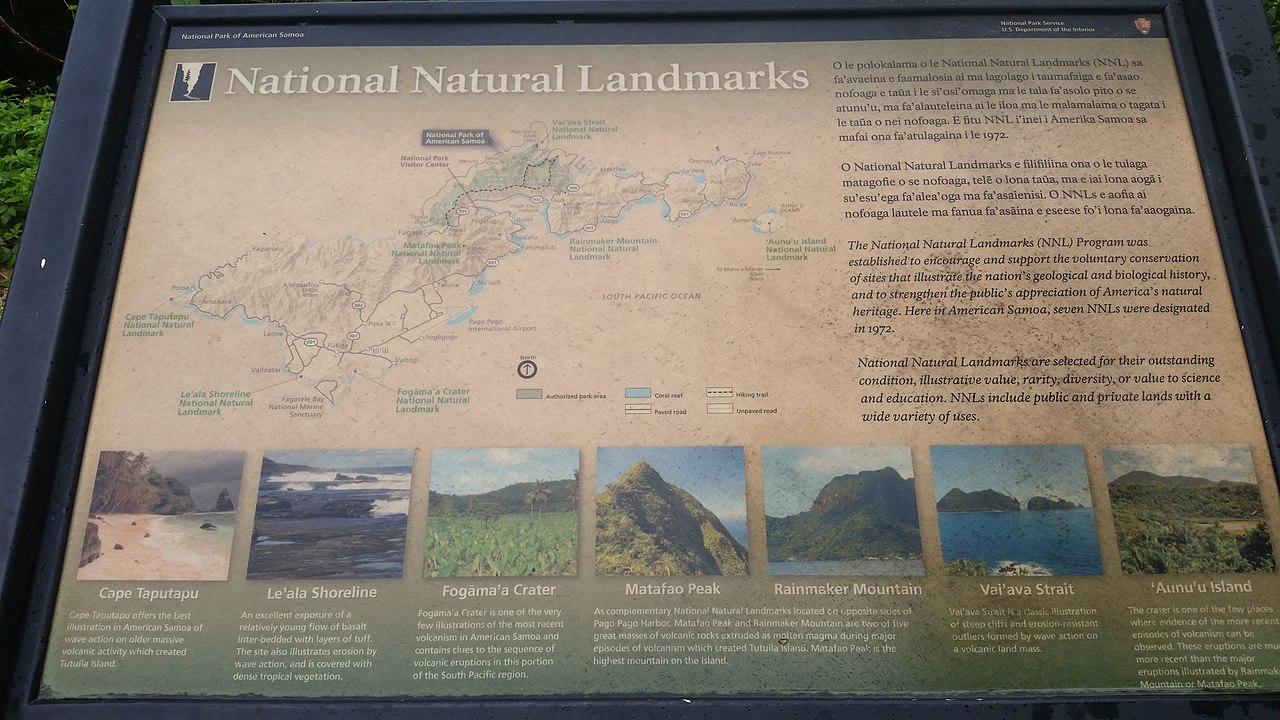




Geography and composition
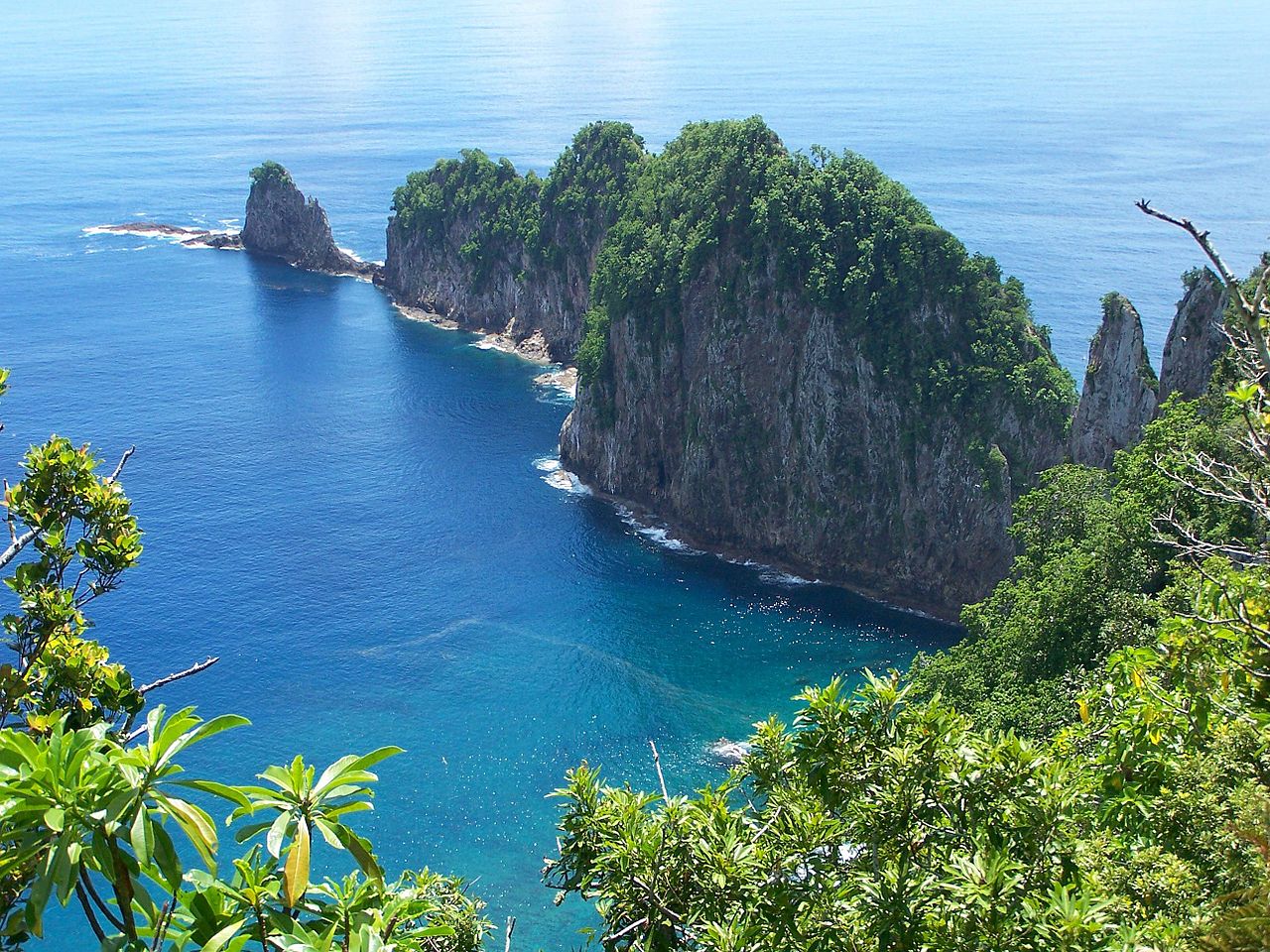
American Samoa is part of the wider Pacific Ocean island system and the Samoan island chain. The territory includes the main island of Tutuila, the Manuʻa islands (Taʻū, Ofu and Olosega), Rose Atoll and several small islets and reef areas. Terrain ranges from rugged volcanic ridges covered in tropical forest to coastal plains, fringing coral reefs and sheltered bays. Local settlements and transport are shaped by steep slopes and a largely coastal pattern of villages.
Political status and governance
Formally, American Samoa is an unincorporated territory of the United States; it is often described as an "unorganized" territory because the U.S. Congress has not enacted a single comprehensive Organic Act for the islands. The territory is administered under local institutions set out in a constitution adopted by residents, and it maintains a degree of self-government while remaining linked to the United States. Local administration includes an elected governor and a territorial legislature, together with traditional village councils and chiefly systems (matai) that play an ongoing role in community life. For general information on its territorial classification see the status overview at territorial status.
History and colonial partition
Contact with European and American interests increased in the 18th and 19th centuries. Rivalries among colonial powers culminated in a formal division of the Samoan islands in 1899, when negotiations among several states resulted in a partition; Germany took control of the western islands while the United States administered the eastern islands centered on Pago Pago. The western islands later came under New Zealand administration and today form the independent state of Samoa. American Samoa's present local constitution came into effect on July 1, 1967, establishing the framework for territorial government in harmony with customary practices. The earlier role of colonial powers including Germany is part of this historical background, and the division affected the political development of the whole Samoan group (Samoan Islands).
Culture, language and society
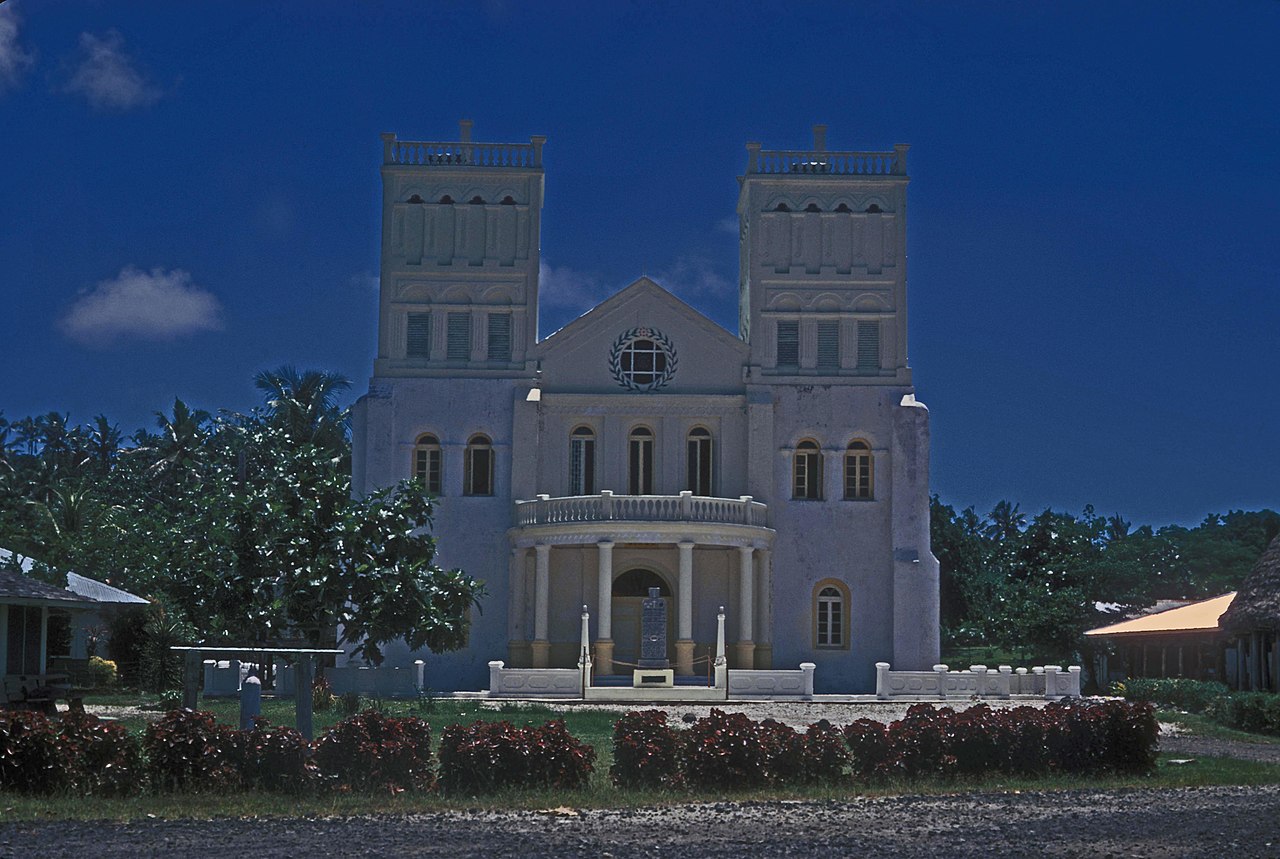
Culture in American Samoa is strongly Samoan. The Samoan language is widely spoken, extended families and matai chiefly titles structure social life, and traditional arts, music and dance remain central to identity. Christianity is influential in many communities. Customary land tenure and village governance coexist with formal territorial institutions; this mixture shapes education, public life and dispute resolution in ways that are distinct from most continental jurisdictions.
Economy and infrastructure
The local economy is relatively small and diversified by Pacific standards. Important activities include tuna fishing and processing, government and public-sector services, small-scale agriculture, and remittances from family members abroad. Infrastructure is concentrated on the larger islands, with transportation chiefly by boat and limited inter-island air services. Tourism exists but is constrained by remoteness and modest visitor facilities; conservation and sustainable resource use are increasingly emphasized as part of local development planning.
Environment and conservation
American Samoa contains significant marine and terrestrial habitats, including coral reefs, lagoons and rainforested slopes. Rose Atoll is particularly notable for its wildlife values and is subject to conservation interest. Ongoing efforts by local and external partners focus on reef protection, invasive species control and sustainable fisheries management to preserve both biodiversity and traditional livelihoods.
Legal status and practical distinctions
People born in American Samoa have a specific legal relationship with the United States: they are U.S. nationals rather than automatically U.S. citizens by birth, a distinction that has been the subject of legal discussion and occasional litigation. The territory's capital area is commonly described as Pago Pago, while the seat of government and administrative functions are centered in Fagatogo and neighboring villages. Visitors and researchers should consult official sources and local authorities for up-to-date information on entry requirements, public services and local customs.
Further reading and resources
- General territorial information: overview.
- Relationship with the United States: U.S. links.
- Geographic context: Pacific location and the Samoan Islands.
- Historical partition: 1899 agreement and the role of Germany.
- Neighboring independent state: Samoa.
- Constitutional date: effective July 1, 1967.
American Samoa's combination of Polynesian tradition, a maritime environment and political ties to the United States gives it a distinctive place in Pacific geography and contemporary territorial law. For detailed legal, historical or travel guidance consult official territorial publications and specialized academic studies.
Tags
Related articles
Author
AlegsaOnline.com American Samoa: U.S. territory in the South Pacific Leandro Alegsa
URL: https://en.alegsaonline.com/art/3470
Sources
- indexmundi.com : "American Samoa GDP – per capita (PPP) – Economy"
- bea.gov : bea.gov
- news.bbc.co.uk : "Samoa switches to driving on left"
- usimmigration.org : "U.S. Citizen Vs U.S. National: Differences"
- govtrack.us : "American Samoa"
- ksl.com : "Judge puts citizenship ruling for American Samoans on hold"
- nbcnews.com : "U.S. should recognize American Samoans as citizens, judge says"
- npr.org : "American Samoans' Citizenship Status Still In Limbo After Judge Issues Stay"