
Autonomous Region of Bougainville
An autonomous region of Papua New Guinea in the Solomon Islands archipelago, Bougainville has a distinct history, culture and a 2019 independence referendum that returned an overwhelming vote for separation.
Overview
The Autonomous Region of Bougainville is an island region politically part of Papua New Guinea but geologically and culturally linked to the Solomon Islands archipelago. The region's largest landmasses are Bougainville Island and Buka Island, together with numerous smaller islands and atolls. Bougainville has its own autonomous institutions under a special arrangement with Papua New Guinea and uses Tok Pisin and several Austronesian and Papuan languages in daily life; Tok Pisin is often rendered locally as Bogenvil.
Image gallery
8 Images



Geography and population
Bougainville combines rugged highlands, volcanic terrain and coastal plains. The islands support tropical rainforest, river valleys and coral fringing reefs. Buka serves as the interim administrative centre and main population hub Buka, while the broader region had an estimated population of around 250,000 in the early 2010s. Communities are ethnically diverse and have long-standing maritime connections with neighbouring island groups.
History and path to autonomy
European contact, missionary activity and later colonial administration shaped Bougainville's modern trajectory. In the late 20th century a major armed conflict erupted around social, environmental and economic grievances, notably connected to the Panguna copper mine. That conflict prompted negotiations and the Bougainville Peace Agreement, which established greater self-government and a framework for a future vote on political status.
Governance and the 2019 referendum
Under the autonomy arrangements, Bougainville has its own house of representatives and executive, while Papua New Guinea retains responsibility for defence and foreign affairs. In late 2019 Bougainville held a long-expected referendum on independence; voters returned an overwhelming preference for independence, with about 98% voting in favour. The referendum was non-binding; its result requires negotiation between Bougainville and the national government on the region's final constitutional status referendum.
Economy, society and culture
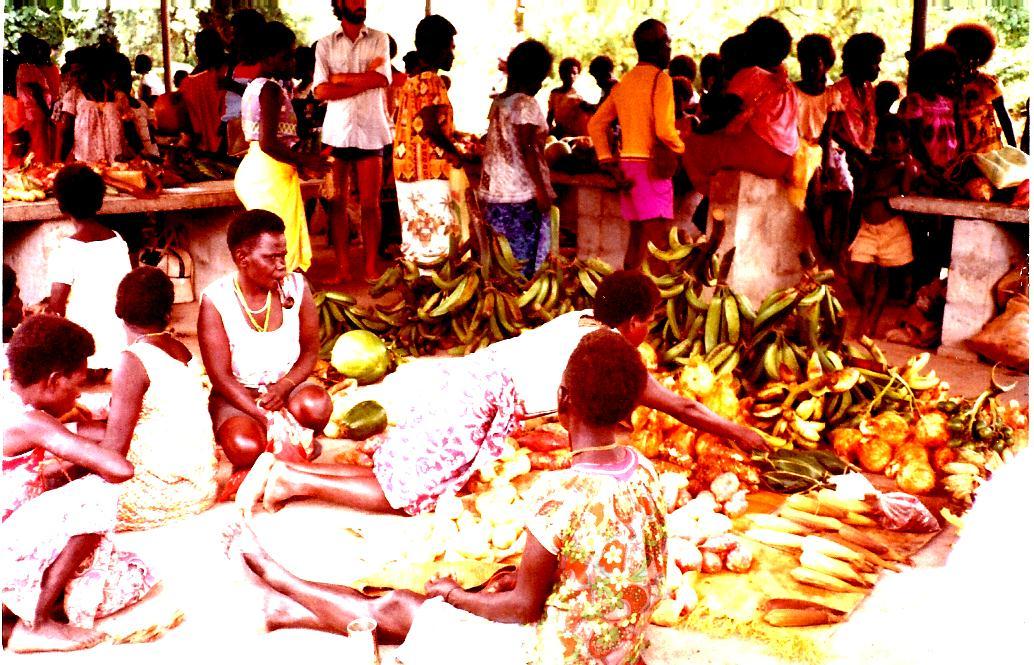
The regional economy is based on smallholder agriculture, fishing, forestry and remittances, with limited formal industry apart from past mining. Cultural life is expressed through language, customary leadership systems, crafts and traditional ceremonies. Bougainvillean communities continue to balance customary land tenure and modern governance as they consider possible independence and development paths.
Notable facts and distinctions
- Bougainville is politically part of Papua New Guinea but lies in the Solomon Islands island chain; this shapes cultural affinities.
- The Panguna mine played a central role in late 20th-century unrest and in later peace negotiations.
- The interim capital and administrative centre is Buka Buka, while arrangements for a permanent capital and full sovereignty remain subject to further political talks with Papua New Guinea.
For more background on language, governance and the referendum process see official summaries and regional studies; further institutional details and negotiation outcomes continue to evolve as talks proceed between Bougainville's authorities and the national government referendum.
Tags
Related articles
Author
AlegsaOnline.com Autonomous Region of Bougainville Leandro Alegsa
URL: https://en.alegsaonline.com/art/7630
Sources
- abg.gov.pg : "AUTONOMOUS REGION OF BOUGAINVILLE : Bougainville Flag, Emblem and Anthem (Protection) Bill 2018"
- hdi.globaldatalab.org : "Sub-national HDI - Area Database - Global Data Lab"
- youtube.com : "Bougainville: a vote for independence"
- tokpisin.info : "Bogenvil"
- looppng.com : "K20 milien bilong Bogenvil referendem"
- books.google.com : The Report: Papua New Guinea 2016