
Aerogel: ultralight, highly insulating porous solids
Aerogel is an ultralight, highly porous solid formed by replacing a gel's liquid with gas. Known for low density, high surface area and exceptional thermal insulation, it has niche uses in insulation, aerospace and research.
Overview
Aerogel is a class of synthetic materials produced from a wet gel in which the pore-filling liquid has been removed and replaced by a gas, normally air. The process leaves behind a highly porous, low-density solid network. The most familiar and widely used form is silica aerogel, made from silicon-based precursors related to common glass, but aerogels are also made from organic polymers, carbon, metal oxides and other materials to tune properties for particular uses.
Image gallery
10 Images




Structure and key properties
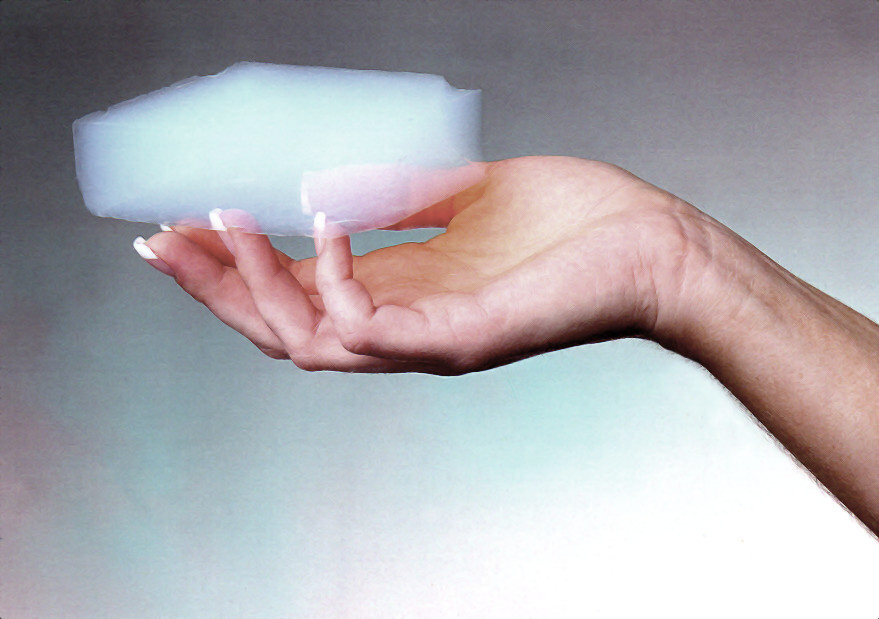
Aerogels consist of an interconnected solid matrix with pores on the nanometre scale. This nanoporous architecture gives them an exceptionally high specific surface area and very low bulk density. Their low thermal conductivity makes them among the best insulating materials known, while their low dielectric constant and high surface area are advantageous in a variety of technical applications. Many silica aerogels are translucent with a characteristic bluish tint caused by the scattering of shorter wavelengths of light.
- Porosity and density: Most aerogels are mostly pore volume, which is why they can be described as ultralight solids. They rank among the lightest synthetic solid materials.
- Thermal and acoustic behavior: Aerogels provide outstanding thermal insulation in thin layers and also offer sound-damping benefits in some configurations.
- Mechanical properties: Pure aerogels are often brittle; composites, fibre reinforcements and flexible polymer-based aerogels address handling and installation challenges.
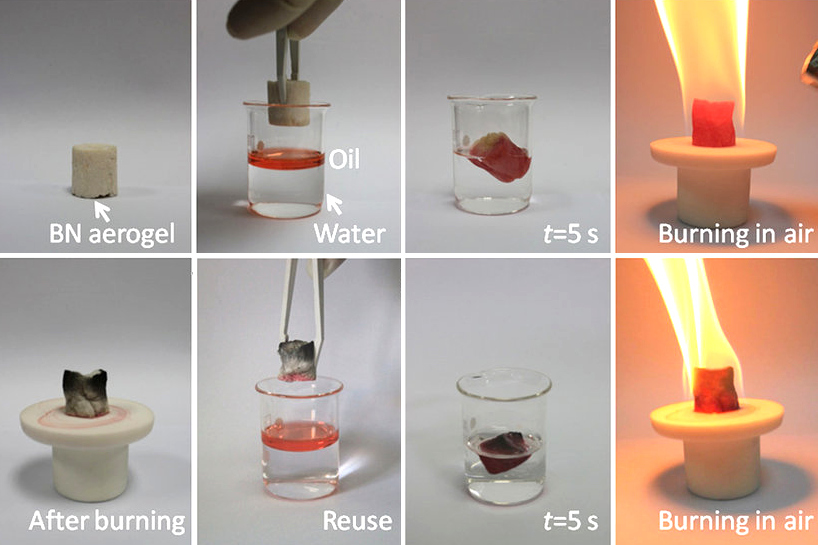
- Surface chemistry: Untreated silica aerogels are hydrophilic and can absorb water, which may collapse their fine structure; surface modification or hydrophobic treatments make many commercial products water-resistant.
History and production
Aerogel was first produced in 1931 by Samuel S. Kistler, who replaced the liquid in a silica gel with gas without collapsing the gel skeleton. The classical method for producing aerogel uses a sol–gel process followed by supercritical drying, which removes solvent without surface-tension forces that would damage the network. Since Kistler's discovery, variations have been developed including ambient-pressure drying, freeze drying and chemical surface modification to reduce cost and improve manufacturability.
Types and variants
While silica aerogel is the most common, other types include polymer aerogels that can be more flexible, carbon aerogels used in electrochemical devices, and metal-oxide aerogels aimed at catalysis or sensing. Composite materials combine aerogel with fibrous mats such as fiberglass or textiles to create blankets and panels that are easier to handle and install. Some commercial products intentionally blend aerogel with fibers for improved toughness and reduced dust generation.
Applications
Aerogels are used where exceptional insulation or low mass is required. They appear in specialized construction elements, aerospace thermal protection, cryogenic insulation, high-performance outerwear and scientific instruments. NASA used aerogel to capture cometary and micrometeoroid particles with minimal damage on sample-return missions, demonstrating its utility in delicate collection tasks. Hydrophobically treated aerogels have been developed for environmental cleanup as adsorbents for oil spills and chemical separations.
Limitations, safety and handling
Commercial aerogel materials are generally more costly than conventional insulators such as fiberglass, and pure monolithic aerogels are brittle and require protective encasement for many uses. Many untreated silica aerogels are damaged by water, but hydrophobic formulations and laminated products address this limitation. Aerogel dust should be controlled during manufacture and installation; unlike mineral asbestos, properly manufactured silica aerogel is not associated with the same asbestos-like carcinogenic risk, but standard industrial dust controls and personal protective equipment are recommended. Some composite products intentionally include fibrous reinforcements to improve flexibility and installation safety.
Research and emerging uses
Current research focuses on improving the mechanical robustness and reducing the cost of aerogels, as well as expanding functionality. Carbon and graphene-based aerogels are investigated for energy storage, electrodes and supercapacitors due to their electrical conductivity and high surface area. Metal-oxide aerogels and doped aerogels serve as catalyst supports and sensor platforms. Work on scalable ambient-pressure drying and greener precursor chemistries aims to make aerogel technologies more widely accessible.
Practical considerations
When selecting an aerogel product, users consider form factor (monolith, granules, blanket or powder), hydrophobic versus hydrophilic surface treatment, thermal performance per millimetre of thickness, and trade-offs between cost and durability. For building retrofits where thin, high-performance insulation is required, aerogel-enhanced panels can reduce heat loss with minimal increase in wall thickness. In aerospace and cryogenics, the low mass and thermal resistance of aerogels remain highly valuable despite higher material costs.
Further reading
For introductory material and supplier information consult general technical references and manufacturer data sheets. Industry and research summaries covering production methods, safety, and specialized applications provide more detailed guidance; these sources include materials chemistry texts and applied engineering reviews. See also general entries on gels and porous materials such as solid state and porous media treatments, and comparisons with traditional insulators such as fiberglass. For historical context, biographical material on early researchers like Samuel S. Kistler and mission reports from agencies that used aerogel in spaceflight give useful background. For health and regulation perspectives consult occupational safety resources rather than popular summaries about asbestos.
Further technical development and commercial adoption continue to expand the range of viable aerogel applications, from environmental remediation to energy technologies and everyday insulation solutions. Manufacturers and research institutions regularly publish updated findings and performance data; readers may consult technical reviews and industry publications referenced under general materials science resources and patents for the latest advances.
Related articles
Author
AlegsaOnline.com Aerogel: ultralight, highly insulating porous solids Leandro Alegsa
URL: https://en.alegsaonline.com/art/1169
Sources
- gizmag.com : Graphene aerogel takes world’s lightest material crown
- aerogel.com : Cryogel 5201, 10201 Safety Data Sheet