
Bioturbation: Reworking of Soils and Sediments by Living Organisms
Bioturbation is the disturbance and reworking of soils and sediments by plants and animals. It alters physical structure, chemistry, ecology and the fossil record across terrestrial and aquatic environments.
Bioturbation refers to the physical and biological disturbance of soils and sediments by living organisms. It encompasses a range of activities—burrowing, rooting, feeding, defecation and construction of galleries—that move, mix and redistribue mineral and organic particles. These processes occur where animals or plants interact with unconsolidated material, from terrestrial soils to marine and freshwater beds, and they shape sedimentary structure, nutrient dynamics and habitat conditions.
Image gallery
9 Images


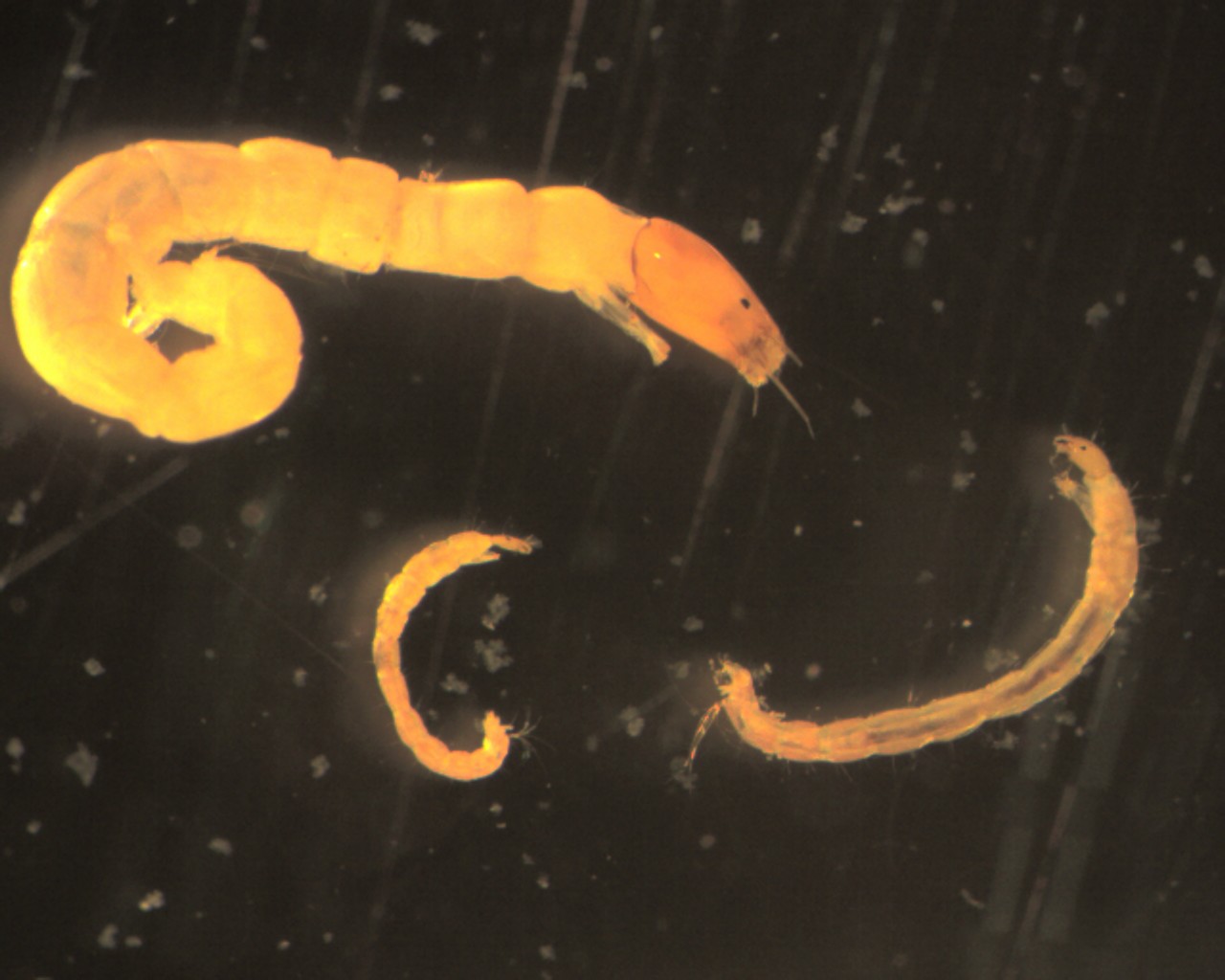


Agents and mechanisms
Organisms that cause bioturbation include invertebrates, vertebrates and plants. Common groups responsible for substantial reworking are listed below, but many more taxa can contribute locally:
- Annelids (segmented worms) that burrow and ingest sediment.
- Bivalves that dig and pump water through the seabed.
- Mussels forming aggregations that trap and mix particles.
- Clams and other infaunal mollusks altering pore structure.
- Crustaceans, echinoderms and burrowing fish that excavate tunnels and mounds.
- Plants and roots that penetrate sediment, fracturing and oxygenating it.
Physical and chemical effects
By moving material, bioturbators change grain-size distribution, porosity and permeability, which alters water flow and gas exchange. Bioturbation increases oxygen penetration into otherwise anoxic layers, accelerating decomposition of organic matter and influencing nutrient cycling (nitrogen, phosphorus and carbon). These changes affect sediment consolidation, erosion susceptibility and the capacity of sediments to store organic carbon.
Importance to geology and paleontology
Bioturbation has a strong influence on the sedimentary record. Intense reworking can erase delicate laminations and destroy evidence of soft-bodied organisms, reducing the chance that their impressions will be preserved. Areas with little bioturbation are more likely to produce exceptional fossil deposits such as lagerstätten, whereas bioturbated layers commonly record trace fossils and burrow structures that are studied by ichnologists. Researchers use information about bioturbation to interpret past environments, sedimentation rates and oxygen levels in ancient seas and soils. See general discussions of fossil preservation for context.
Applications and ecological significance
In modern ecosystems bioturbation supports soil fertility by mixing organic matter and enhancing microbial activity, and it contributes to habitat complexity in benthic communities. It can be harnessed in restoration and remediation projects—bioturbating organisms can increase contaminant fluxes to the sediment-water interface where degradation is more rapid. Conversely, invasive burrowers may destabilize banks or alter native communities.
Scientists study bioturbation using sediment cores, laboratory flume experiments, tracers and imaging techniques to quantify rates and patterns of mixing. Distinguishing between physical reworking (by waves or currents) and biologically driven mixing is a central challenge. Understanding bioturbation is therefore important across ecology, sedimentology, environmental management and the interpretation of the geological record.
For practical introductions and summaries see links on soils and sediment processes: soils and sediments.
Related articles
Author
AlegsaOnline.com Bioturbation: Reworking of Soils and Sediments by Living Organisms Leandro Alegsa
URL: https://en.alegsaonline.com/art/11679