
Bipedalism: locomotion on two limbs in animals and humans
Bipedalism is locomotion using two rear limbs. This article explains types, anatomy and biomechanics, evolutionary origins, examples, advantages, and important distinctions including habitual and facultative bipedalism.
Overview
Bipedalism refers to moving or standing on two limbs, typically the hind legs in vertebrates. It is a widespread but unevenly distributed mode of locomotion: some species are obligate or habitual bipeds that use two limbs for most ground movement, while others are facultative or optional bipeds that adopt an upright stance or two-legged gait in particular contexts. Bipedal posture and gait have important consequences for anatomy, behavior and ecology.
Image gallery
5 Images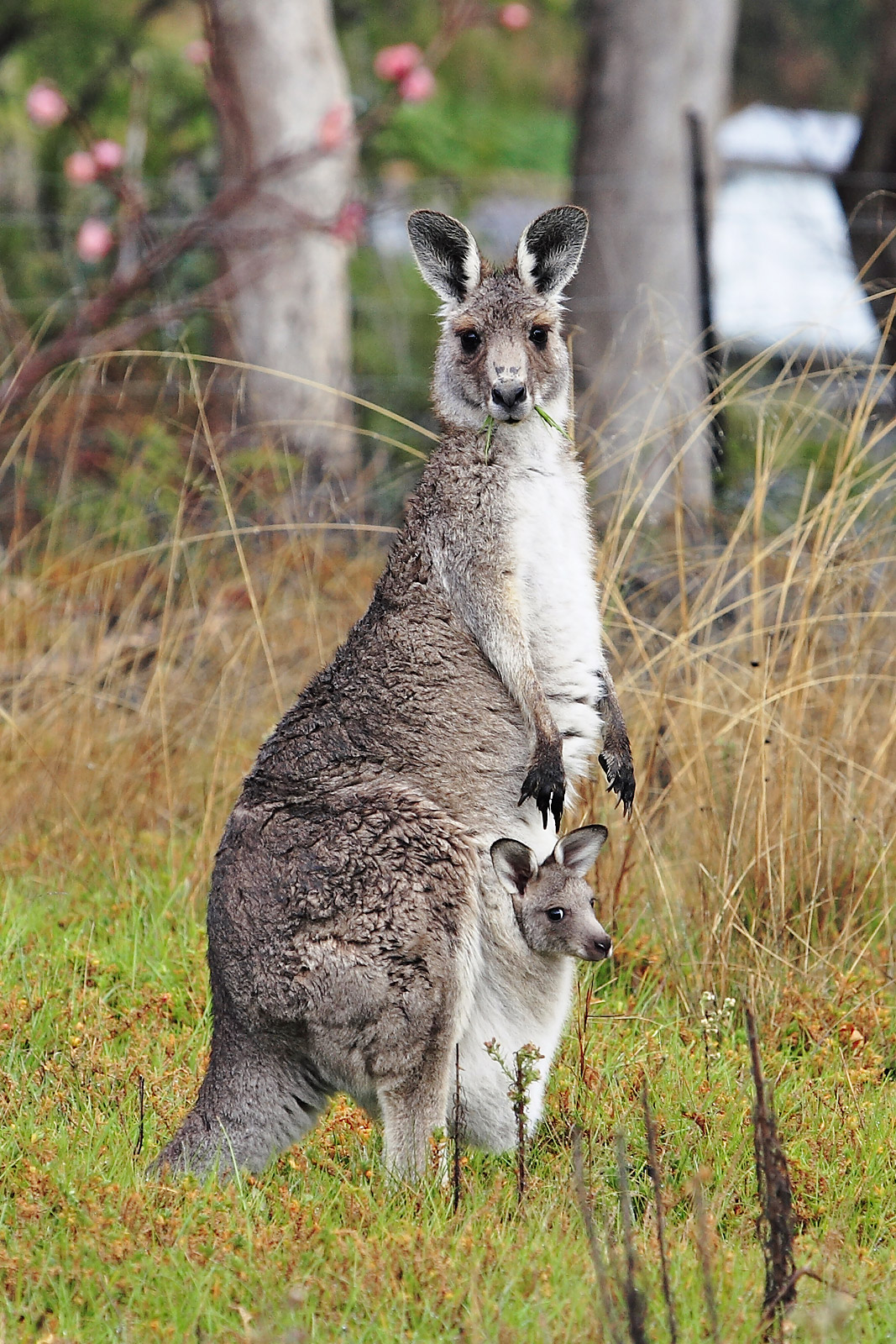



Key characteristics and biomechanics
Bipedal locomotion reshapes the skeleton and musculature. Common anatomical features associated with habitual bipedalism include a reoriented pelvis, changes in the structure of the lower spine, lengthened hindlimbs relative to forelimbs, and modifications to the foot for weight-bearing and balance. Center of mass and balance are critical: bipeds must position their trunk and limbs so that the body remains stable over the support foot during walking or standing. The mechanics of bipedal walking and running differ from quadrupedal gaits and rely on alternating support and well-timed muscular action to control the fall-and-recover cycle that characterizes human stride.
Evolutionary origins and diversity
Bipedalism has evolved independently in several animal groups. Early tetrapods were quadrupedal, yet many lineages later developed two-legged locomotion or posture. The first dinosaurs included many bipedal forms; some later lineages became quadrupedal again. Birds are modern bipeds that descend from bipedal dinosaurs, and their forelimbs have been transformed into wings. Mammals such as humans, kangaroos and some small mammals show different forms of bipedalism, and many lizards and primates can adopt upright stances occasionally. The repeated evolution of bipedal traits illustrates that similar ecological pressures — such as the need to see over tall vegetation, free the forelimbs for manipulation or display, or move efficiently at certain speeds — can favor two-legged movement.
Types and examples
- Habitual/obligate bipeds: species that walk primarily on two legs (for example, modern humans and most birds).
- Facultative/optional bipeds: animals that normally use four limbs but sometimes stand or move bipedally (some primates, bears, many rodents, and certain lizards).
- Saltatory bipeds: hoppers such as kangaroos and some rodents that move by powerful jumps on the hind limbs.
- Cursorial bipeds: species adapted for sustained running on two legs — a trait found in some extinct dinosaurs and in the running mechanics of humans.
Functions, advantages and trade-offs
Bipedalism can confer several advantages. An upright stance elevates the head, improving visibility and signaling; it frees the forelimbs for carrying, tool use or complex manipulation; and, in some contexts, two-legged walking can be energetically efficient at moderate speeds. Bipedality also involves trade-offs: anatomical specializations needed for efficient upright locomotion can limit other abilities (for example, powerful tree-climbing), and in humans the combination of a narrow birth canal and upright pelvis affects childbirth. Upright posture has further implications for load on the spine and joints, contributing to particular patterns of wear, injury and chronic pain in some species.
Notable distinctions and modern significance
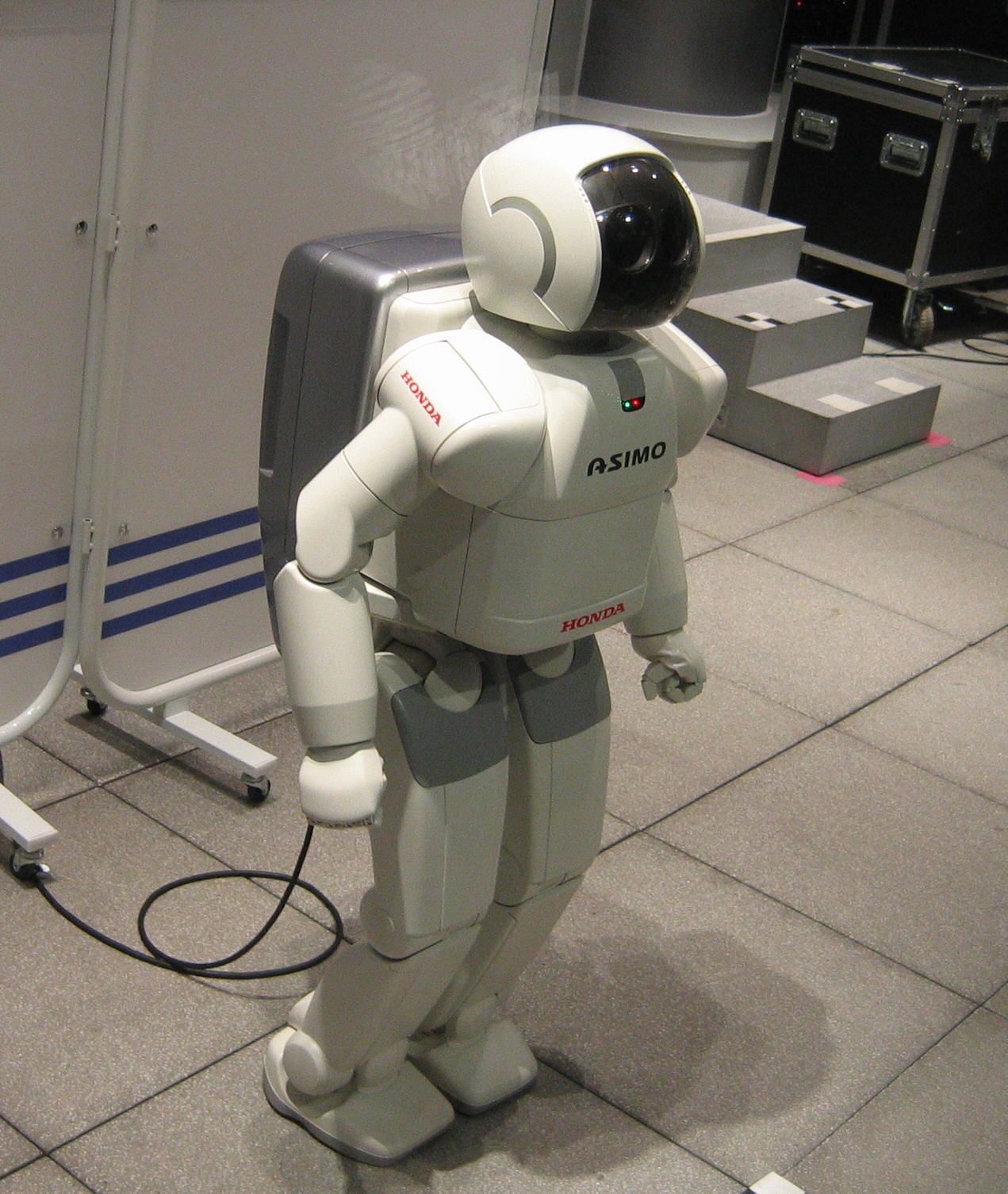
Distinguishing different kinds of bipedalism is important in comparative anatomy, paleontology and behavior. In fossil studies, the presence of bipedal adaptations helps reconstruct how extinct animals moved and interacted with their environments. In living species, occasional bipedal behavior — such as standing to look or display — may be communicative rather than a primary mode of travel; for example, some animals rise on their hind legs to increase visibility during threat displays or to handle objects (see related behavior). Understanding bipedalism also informs fields from robotics and prosthetics to physical therapy, where reproducing or supporting stable two-legged posture presents specific engineering and medical challenges.
Questions and answers
Q: What is bipedalism?
A: Bipedalism is a form of movement on the ground in which an animal uses their rear limbs to move on two legs.
Q: Are all bipeds habitual bipeds?
A: No, there are some animals that are optional bipeds, which means they can move on two or four legs.
Q: Did all early quadruped animals use all four limbs for locomotion?
A: Yes, early quadruped animals used all four limbs for locomotion before many later ones evolved to become bipedal.
Q: Were the earliest dinosaurs bipedal?
A: Yes, the earliest dinosaurs were bipedal, but some later evolved to become quadrupeds.
Q: What are birds in relation to bipedalism?
A: Birds are descendants of bipedal dinosaurs and are bipeds themselves.
Q: How have birds' forelimbs evolved?
A: Birds' forelimbs have evolved into wings.
Q: Why might some optional bipeds stand on two legs?
A: Some optional bipeds stand on two legs to drive away competitors and predators, to see farther, or as body language.
Related articles
Author
AlegsaOnline.com Bipedalism: locomotion on two limbs in animals and humans Leandro Alegsa
URL: https://en.alegsaonline.com/art/11682