
Annelid (segmented worm)
Annelids are a diverse phylum of segmented, mostly soft-bodied worms found in marine, freshwater and terrestrial habitats. They play key ecological roles and include earthworms and leeches.
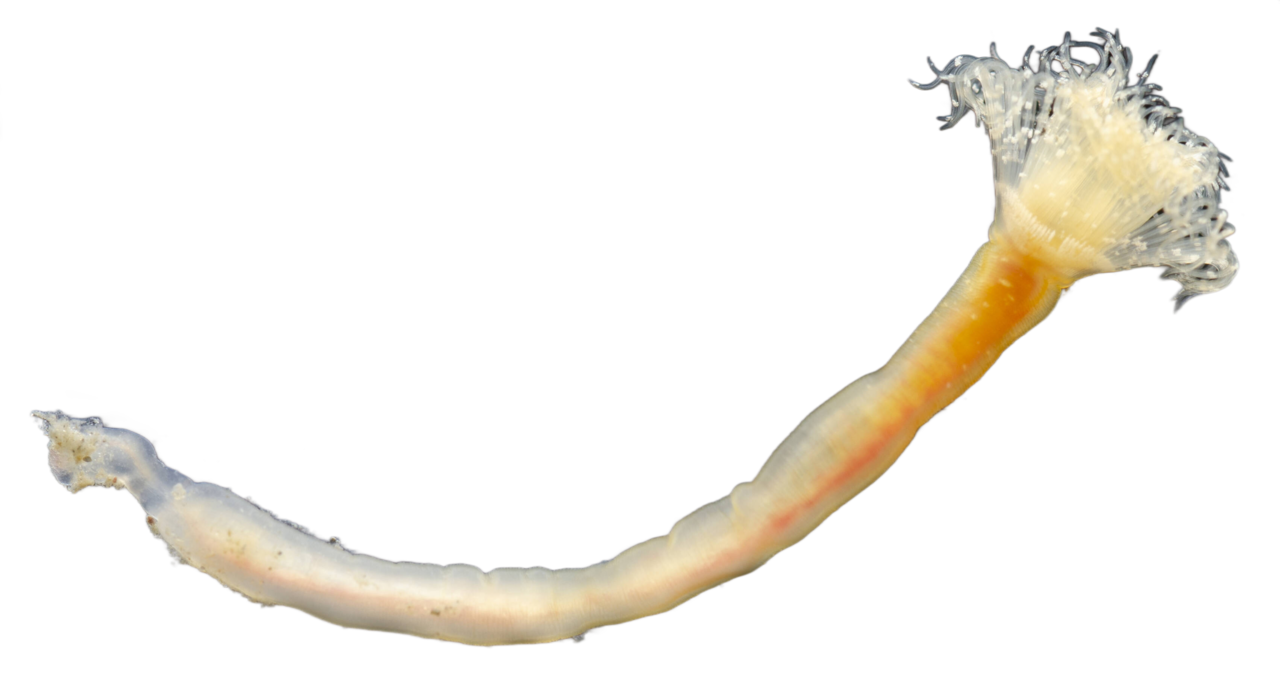
Annelids are animals placed in the phylum Annelida. Commonly called segmented worms, they are soft-bodied invertebrates found in many wet environments worldwide. There are more than 17,000 described species, ranging in form from tiny, threadlike worms to large tube-dwelling forms. Well-known examples include earthworms and leeches, but most annelid diversity is marine.
Image gallery
10 Images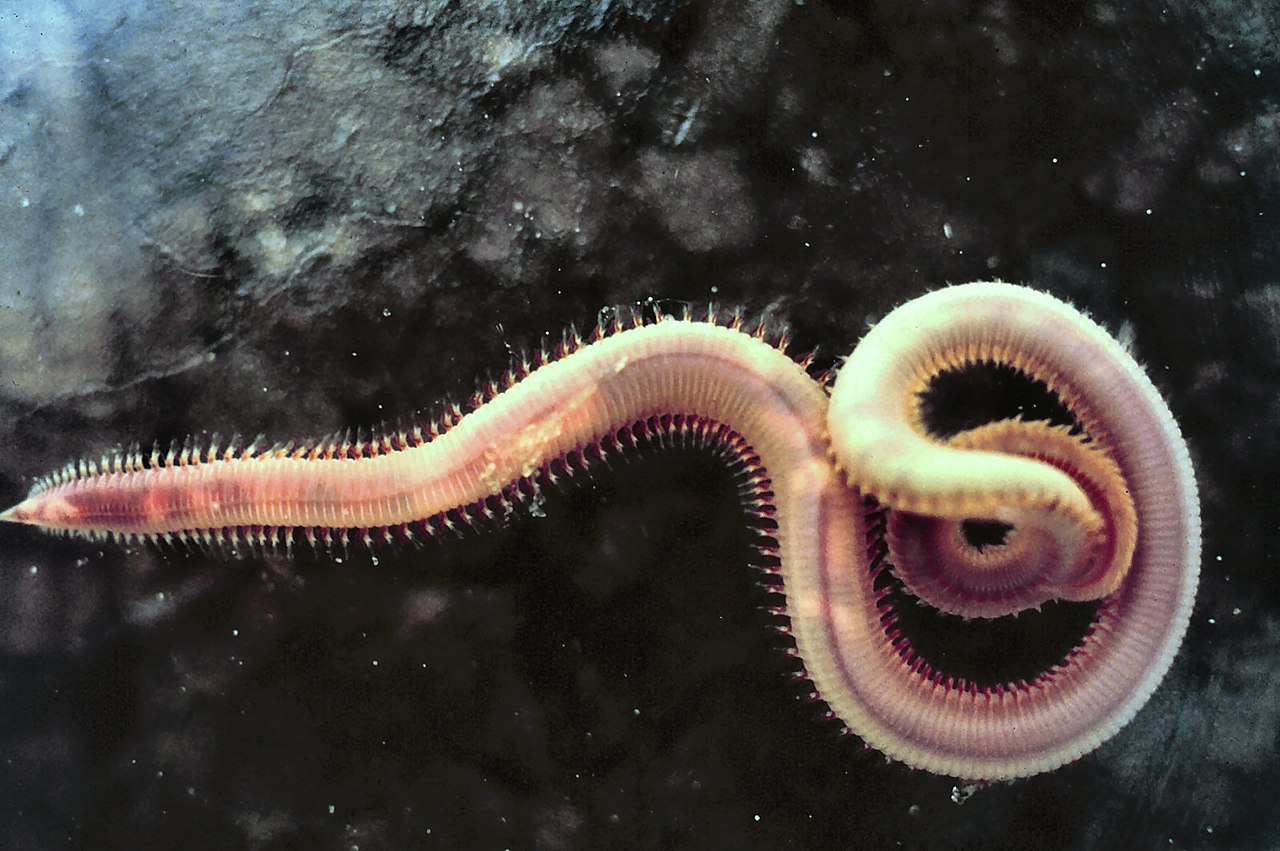




Key characteristics
Annelids exhibit true segmentation (metamerism): the body is divided into repeating units called segments, and each segment often shows external rings or annuli. Internally they have a true coelom, a body cavity lined by mesoderm. Many annelids possess bristles or setae and, in marine groups, paired lateral appendages called parapodia. They typically have a tubular digestive tract with separate mouth and anus, a closed circulatory system, and a ventral nerve cord with segmental ganglia.
Classification and diversity
Traditional groups include polychaetes (mostly marine, often with many setae and parapodia), oligochaetes (including many terrestrial earthworms), and hirudineans (leeches). Modern classifications rearrange some groups but retain these familiar forms. Annelids occupy habitats from deep-sea vents and hydrothermal and cold-seep communities to freshwater streams and moist soils; some live as free-living predators or detritivores, while others are commensal, parasitic, or mutualistic with other organisms.
Life cycle, reproduction and regeneration
Reproductive modes vary. Many annelids reproduce sexually and some groups have separate sexes, while others (notably many oligochaetes and leeches) are hermaphroditic and engage in cross-fertilization. Marine polychaetes commonly release gametes into the water and often have a planktonic trochophore larval stage. The capacity to regenerate lost segments differs among taxa: some can regrow substantial portions of their bodies, while others have limited regenerative ability.
Ecological and human importance
Earthworms are major soil engineers, improving aeration, drainage and nutrient cycling; they are important in agriculture and composting. Leeches have historical and modern medical uses in microsurgery and bloodletting applications. Marine annelids are integral to benthic food webs and some tube worms host chemosynthetic microbes that support communities at seeps and vents. Annelids are also used in ecological monitoring and scientific studies of development, regeneration and evolution.
Notable features and distinctions
- Segmentation: external rings (annuli) and repeated internal organs per segment.
- Bristles (setae) or parapodia used for movement and interaction with the environment.
- Hydrostatic skeleton: muscles act against fluid-filled coelomic compartments to generate movement; see hydrostatic skeleton.
- Many have closed circulatory systems and specialized excretory organs (nephridia).
Other useful links: general phylum overview phylum, invertebrate context invertebrate, segmented worm description segmented worms, species count reference species, examples such as the seep tube worm related to giant tube worms giant tube worm, and notes on reproductive types such as hermaphroditic forms. For further reading consult additional resources listed at phylum and earthworms.
Questions and answers
Q: What are annelids?
A: Annelids are a phylum of invertebrate worms.
Q: How many known species of annelids are there?
A: There are over 17,000 known species of annelids.
Q: What are some well-known species of annelids?
A: Earthworms and leeches are some well-known species of annelids.
Q: Where can annelids be found?
A: Annelids can be found in most wet environments.
Q: What is a mutualistic relationship?
A: A mutualistic relationship is when two organisms live together and both benefit from the relationship.
Q: How do annelids reproduce?
A: Annelids reproduce sexually by hermaphroditic cross-fertilization.
Q: What is a hydrostatic skeleton?
A: A hydrostatic skeleton is a fluid-filled cavity in the body that provides support and movement in some invertebrates, including annelids.
Related articles
Author
AlegsaOnline.com Annelid (segmented worm) Leandro Alegsa
URL: https://en.alegsaonline.com/art/4449
Sources
- commons.wikimedia.org : Annelida
- species.wikimedia.org : Annelida
- en.wikibooks.org : Wikibooks Dichotomous Key
- en.wikibooks.org : Annelida