
Black hair: characteristics, biology, and cultural significance
An overview of black hair: its appearance, pigmentation, biological basis, global distribution, care practices, and common misconceptions.
Black hair denotes the darkest natural human hair color and is characterized by very high concentrations of dark pigment. It occurs across many populations worldwide rather than being limited to any single ethnic group. In everyday language, especially in Europe and the Americas, people with black or very dark brown hair are sometimes called brunettes, but "black hair" describes the color itself rather than ancestry.
Image gallery
10 Images


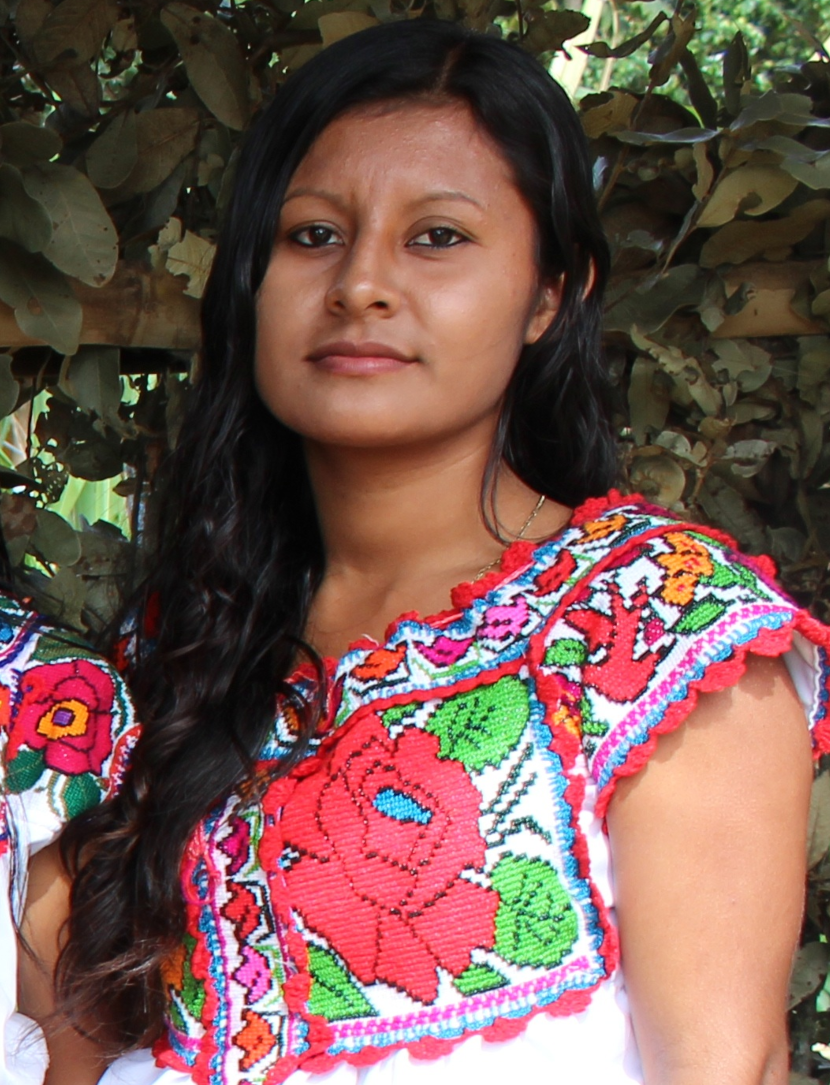


Key characteristics
Black hair shows a set of physical features that vary by individual and population. Common attributes include:
- High pigment level: The color results primarily from abundant dark melanin pigments concentrated in the hair cortex.
- Varied texture: Hair shafts may be straight, wavy, curly or tightly coiled depending on follicle shape and genetics.
- Light behavior: Dark hair absorbs more light and can appear glossy under direct light because of strong contrast between cuticle and cortex.
- Thickness and density: Individual strand thickness and the number of hairs per square centimeter differ by genetic background; there is no single rule that all black hair is thicker or less dense than other colors.
Biology and genetics
On a microscopic level hair is composed of the medulla, cortex and cuticle. The cortex contains melanin granules produced by melanocytes; the relative amounts and types of melanin determine shade. Black shades are dominated by eumelanin rather than the reddish pheomelanin. For more on the pigment chemistry see eumelanin. Multiple genes influence pigment production and follicle structure, so the inheritance of hair color and texture is polygenic and complex.
Distribution and historical perspective
Black hair is common in many regions including East, South and Southeast Asia, most of Africa, parts of the Americas, and among some Mediterranean populations. Across history and cultures, black hair has been associated with a wide range of social meanings, fashion trends and identity markers. Hairstyles, ornaments and grooming rituals have long signaled status, age, community belonging or aesthetic preferences.
Care, styling and practical considerations
Care approaches depend on texture and personal goals. Common practices include moisturizing treatments, protective styles that reduce breakage, heat styling or chemical straightening for texture change, and coloring. Because dark pigments absorb UV radiation, black hair can be at risk of surface fading or dryness from sun and environmental exposure; regular conditioning and sun protection for hair and scalp can help maintain healthy appearance.
Distinctions and misconceptions
Not all very dark hair is identical: subtle differences in hue, sheen and individual strand properties create a wide range of appearances described as black, soft black, or blue-black. Popular beliefs — for example, that black hair is universally stronger or less dense — oversimplify a diverse biological reality. Understanding black hair means recognizing both its common pigmentary basis and the many ways texture, culture and care shape its everyday experience.
Related articles
Author
AlegsaOnline.com Black hair: characteristics, biology, and cultural significance Leandro Alegsa
URL: https://en.alegsaonline.com/art/11919