
Black bread mold (Rhizopus stolonifer)
An overview of Rhizopus stolonifer—its appearance, life cycle, ecology, effects on food and health, and methods for prevention and study.
Black bread mold is the common name for Rhizopus stolonifer, a fast-growing filamentous fungus that frequently appears as dark, fuzzy patches on carbohydrate-rich foods. It is a cosmopolitan species found in homes, bakeries, gardens and compost piles. Like other molds, it produces airborne spores that disperse readily and colonize new substrates when conditions are favorable. For basic classification and background see fungus overview.
Image gallery
4 Images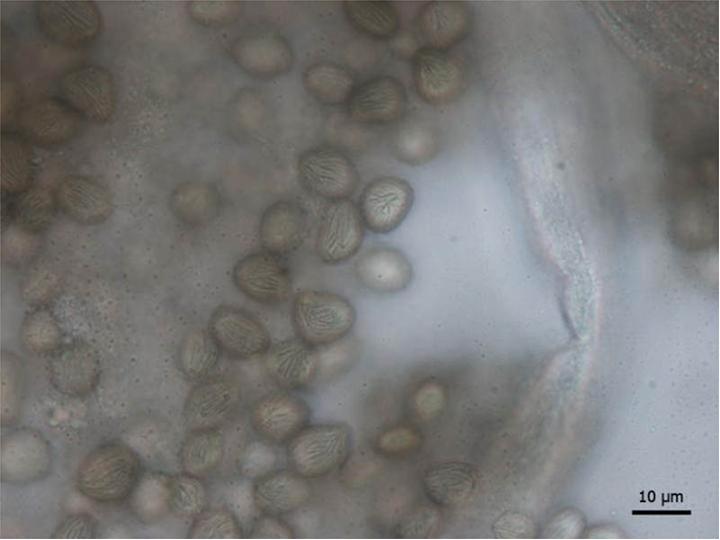


Appearance and structure
Colonies of R. stolonifer typically begin as white mycelial mats that develop dark, round sporangia on erect stalks, giving the colony a black or gray appearance as spores mature. The fungus grows as a network of hyphae: stolons that spread across the surface, rhizoids that anchor and help absorb nutrients, and upright sporangiophores that bear sporangia. This visible morphology helps distinguish it from common green or blue molds produced by Penicillium and Aspergillus.
Life cycle and reproduction
Rhizopus stolonifer reproduces both asexually and sexually. In asexual reproduction the fungus forms sporangia that enclose numerous spores; when these spores are released they become airborne and can germinate on new material (growth and reproduction, asexual reproduction). Sexual reproduction occurs when hyphae from compatible strains contact and fuse, producing thick-walled zygospores that can survive adverse conditions; after dormancy a zygospore can give rise to a new sporangium and renewed spore production (sexual reproduction). The fusion process results in genetic recombination as in other eukaryotic organisms (eukaryotes).
Ecology, hosts and distribution
R. stolonifer is widespread and common worldwide. It favors moist, nutrient-rich substrates such as baked goods and soft fruits, where starches and sugars provide an accessible food source. Typical examples include bread and soft fruits like bananas and grapes, which often show rapid spoilage. The fungus grows readily at indoor storage temperatures and in warm, humid environments (temperature and growth). Its spores are dispersed by air currents, insects and contaminated surfaces.
Impacts, uses and health considerations
Economically, R. stolonifer is a major spoilage organism causing loss of food quality and shelf life. It secretes enzymes such as amylases and lipases that break down starches and fats, softening and disfiguring food. Although ordinarily a saprophyte, some Rhizopus species can be opportunistic pathogens in immunocompromised people; allergic responses or rare invasive infections have been reported, so handling heavily colonized material is discouraged and hygiene precautions are advised. In laboratories and education, this mold is used to study fungal growth, sporulation and enzyme activity; related Rhizopus species are also used in certain traditional fermentations and biotechnological processes.
Prevention and control
- Keep perishable, baked and cut fruit refrigerated and dry when possible.
- Store bread in cool, low-humidity conditions or freeze for long-term storage.
- Discard visibly moldy items; do not taste or sample to check safety.
- Clean and dry food storage areas; control humidity and airflow to reduce spore settlement.
For further reading on Rhizopus biology, its mycelial organization and related species, see general introductions to fungal structure and the mycelium (mycelium) and resources on mold identification and safe handling (additional notes, sexual reproduction, growth and reproduction). Practical guidance and local regulations for food safety or clinical concerns should be sought from authoritative public health and food safety sources (asexual reproduction, eukaryotic genetics, environmental conditions).
Related articles
Author
AlegsaOnline.com Black bread mold (Rhizopus stolonifer) Leandro Alegsa
URL: https://en.alegsaonline.com/art/11892