
Biota: the living components of an environment
Biota denotes all living organisms in a particular place and time. The term is used across ecology, biogeography and paleontology to describe communities from microbes to plants, animals and fungi.
Overview
The word biota refers to the complete assemblage of living organisms — plants, animals, fungi, protists and microorganisms — associated with a defined location and time. It is a broad, inclusive term used to describe the biological component of an ecosystem or region. When researchers discuss the Cambrian biota or the Madagascan biota, they mean the totality of life forms present in that setting, whether fossilized or extant.
Image gallery
9 Images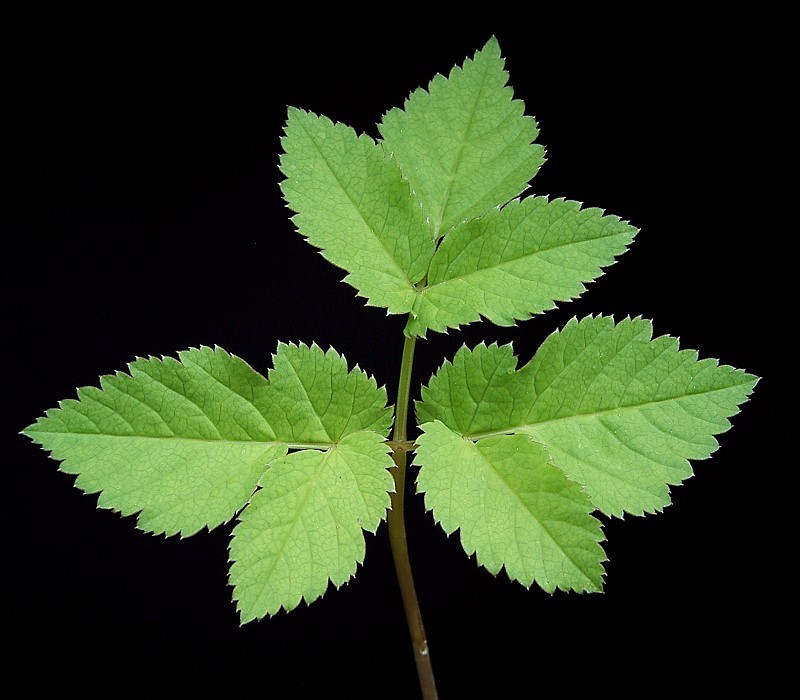




Components and characteristics
Biota includes multiple categories of life that interact with each other and with nonliving factors (climate, soil, water). Typical components are listed below.
- Flora — vascular plants, mosses, algae and other photosynthetic organisms.
- Fauna — animals ranging from insects and vertebrates to invertebrates and microscopic metazoans.
- Fungi and protists — decomposers, symbionts and single-celled eukaryotes important for nutrient cycling.
- Microorganisms — bacteria and archaea that drive many biochemical processes.
History and usage
The term has roots in classical language (related to Greek bios, life) and came into scientific use to denote life assemblages. It is central to fields such as ecology, biogeography and paleontology, where scholars compare living communities across places and through time. Paleontologists commonly refer to fossilized biota to reconstruct past ecosystems and evolutionary events.
Importance and applications
Describing biota helps scientists assess biodiversity, ecosystem health and the effects of human activity. Conservation planning often targets the protection of particular biota or the habitats that sustain them. Studies of local biota inform agriculture, restoration ecology and environmental impact assessments by linking species presence to ecological function.
Distinctions and related concepts
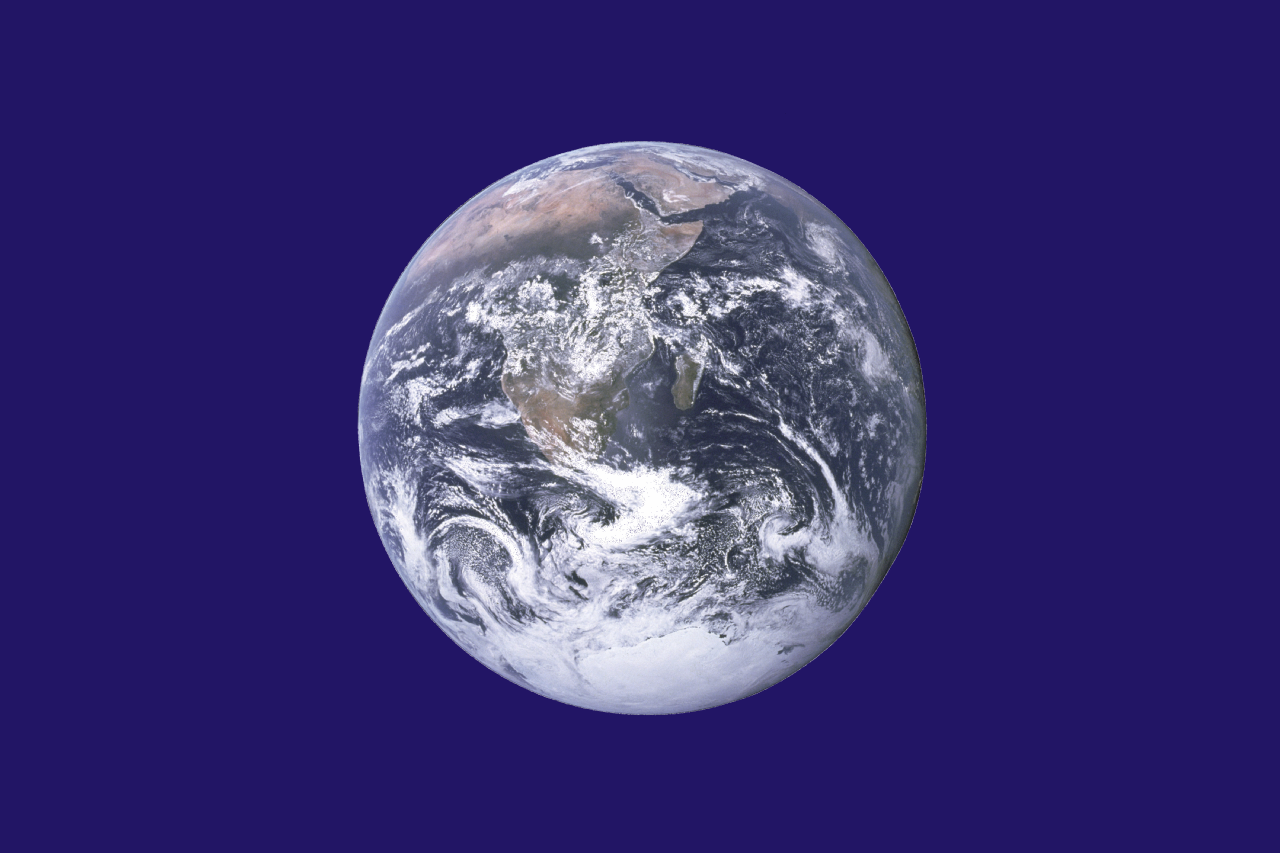
Biota is distinct from related terms. A biome denotes a broad ecological zone (for example, the tundra) defined by climate and dominant life forms, whereas biota refers specifically to the organisms present in a place. The biosphere refers to all life on Earth, while "biotic" contrasts living (biotic) factors with nonliving (abiotic) components of the environment (environment).
Examples of study include inventories of regional biota, analysis of invasive species impacts, and descriptions of fossil biota preserved in deposits such as Burgess-type assemblages. These different uses underscore biota as a foundational concept for understanding life in space and time.
Related articles
Author
AlegsaOnline.com Biota: the living components of an environment Leandro Alegsa
URL: https://en.alegsaonline.com/art/11675