
Zimbabwe: overview, geography, history, economy and society
Zimbabwe is a landlocked country in southern Africa known for the ancient ruins of Great Zimbabwe, diverse landscapes including Victoria Falls, a mineral-rich economy, and a complex modern political history.
Overview
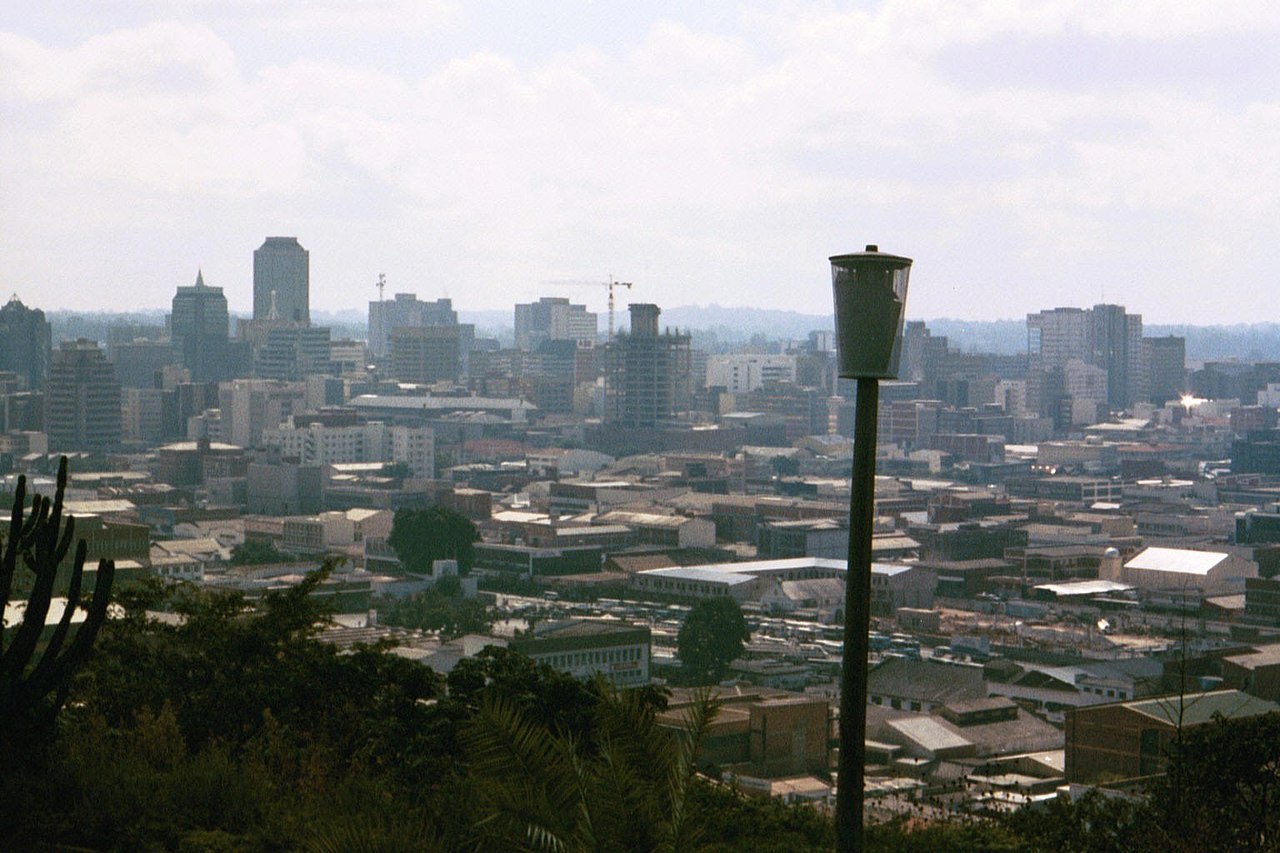
Zimbabwe is a landlocked country in southern Africa with a capital at Harare. It is home to a mix of ethnic groups and languages; English is used in government and business alongside indigenous languages such as Shona and Ndebele. The nation combines urban centres, farming regions and important natural sites that attract international attention.
Image gallery
10 Images






Geography and environment
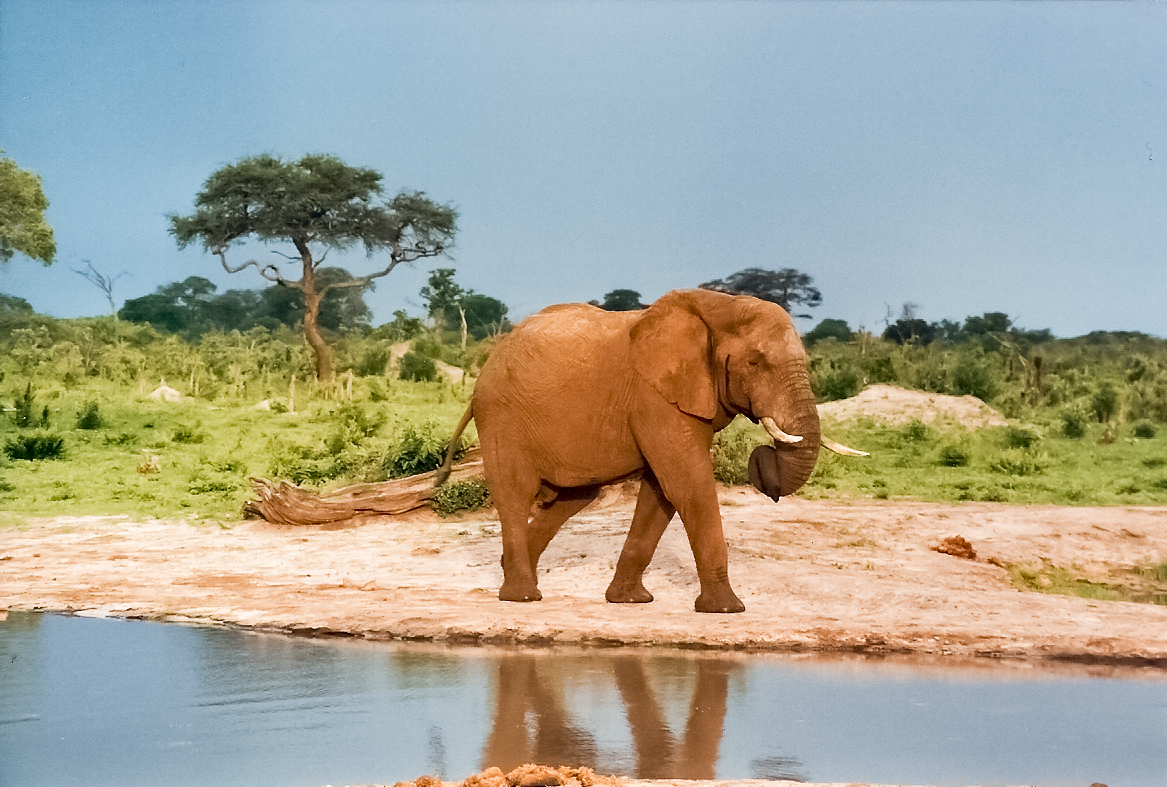
The country's terrain includes high central plateau, savanna, and river valleys. The Zambezi River forms part of its northern boundary and feeds one of the world's most famous landmarks, Victoria Falls, which contributes to tourism and river-based activities. Vegetation ranges from miombo woodlands to grasslands, supporting wildlife populations and national parks important for conservation.
Historical development
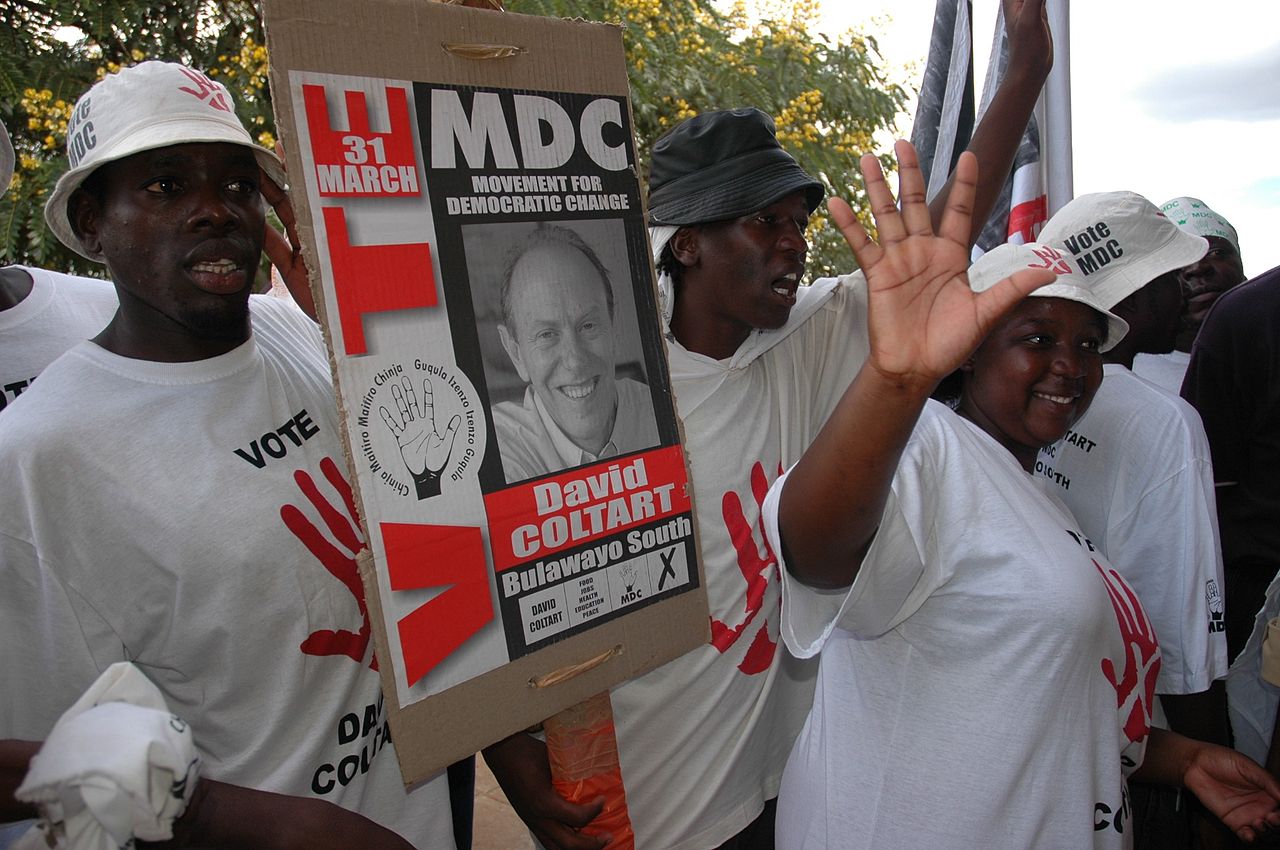
Zimbabwe's history reaches back to the builders of Great Zimbabwe, the impressive stone city that gave the modern state its name. In more recent centuries the area was colonized by the British and administered as Southern Rhodesia. A protracted liberation struggle ended colonial rule and led to internationally recognized independence in 1980. The post-independence era has been marked by efforts at nation-building alongside contested politics and periodic economic turmoil.
Economy and society
The economy draws on agriculture, mining and services. Tobacco, maize and livestock are important farm products, while deposits of gold, diamonds and platinum-group metals underpin the mining sector. Tourism focused on natural and cultural attractions is also significant. Economic performance has been affected by cycles of instability, policy shifts and international relations, which have influenced living standards, migration and public services.
Government, culture and notable facts
Zimbabwe is divided administratively into provinces and municipalities and participates in regional and international organizations. Culturally, it is known for strong traditions in music, sculpture and oral history. Notable facts include the ancient stone ruins of Great Zimbabwe, the international renown of Victoria Falls, and the country's substantial mineral resources. Contemporary debates often concentrate on governance, land use, and paths to sustainable development.
Further reading
- Key cities and regions: Harare, Bulawayo and major provincial centres
- Heritage sites: Great Zimbabwe and living cultural traditions
- Natural attractions: Victoria Falls and national parks
Related articles
Author
AlegsaOnline.com Zimbabwe: overview, geography, history, economy and society Leandro Alegsa
URL: https://en.alegsaonline.com/art/110611
Sources
- commons.wikimedia.org : Zimbabwe
- news.google.com : "Zimbabwe"
- cia.gov : "The World Factbook – Zimbabwe"
- kubatana.net : CONSTITUTION OF ZIMBABWE (final draft)
- photius.com : "Population 2016 Country Ranks"
- imf.org : "Zimbabwe"
- hdrstats.undp.org : "Human Development report"
- hdr.undp.org : "2016 Human Development Report"
- wwp.greenwichmeantime.com : "Zimbabwe Currency"
- newzimbabwe.com : "Census Results by Year-End"
- bbc.co.uk : "Zimbabwe's President Mugabe 'resigns'"
- bbc.co.uk : "Robert Mugabe 'under house arrest'"
- bbc.com : "Robert Mugabe 'under house arrest'"
- sportsillustrated.cnn.com : "2004 Olympic Games swimming results"