
Malawi — geography, history, society and economy
Overview of Malawi: location in southeast Africa, physical features including Lake Malawi, brief history from precolonial to independence, and present-day society, economy, and challenges.
Overview. Malawi is a landlocked country in south-east Africa known popularly as the "Warm Heart of Africa". It shares borders with Tanzania, Zambia and Mozambique. The administrative capital is Lilongwe, and English is used for official business while Chichewa and several other local languages are widely spoken; English is the formal language of government and instruction (official language). Malawi covers roughly 118,000 square kilometres and, although small by African standards, contains a striking diversity of lakeshore, highlands and plateaus.
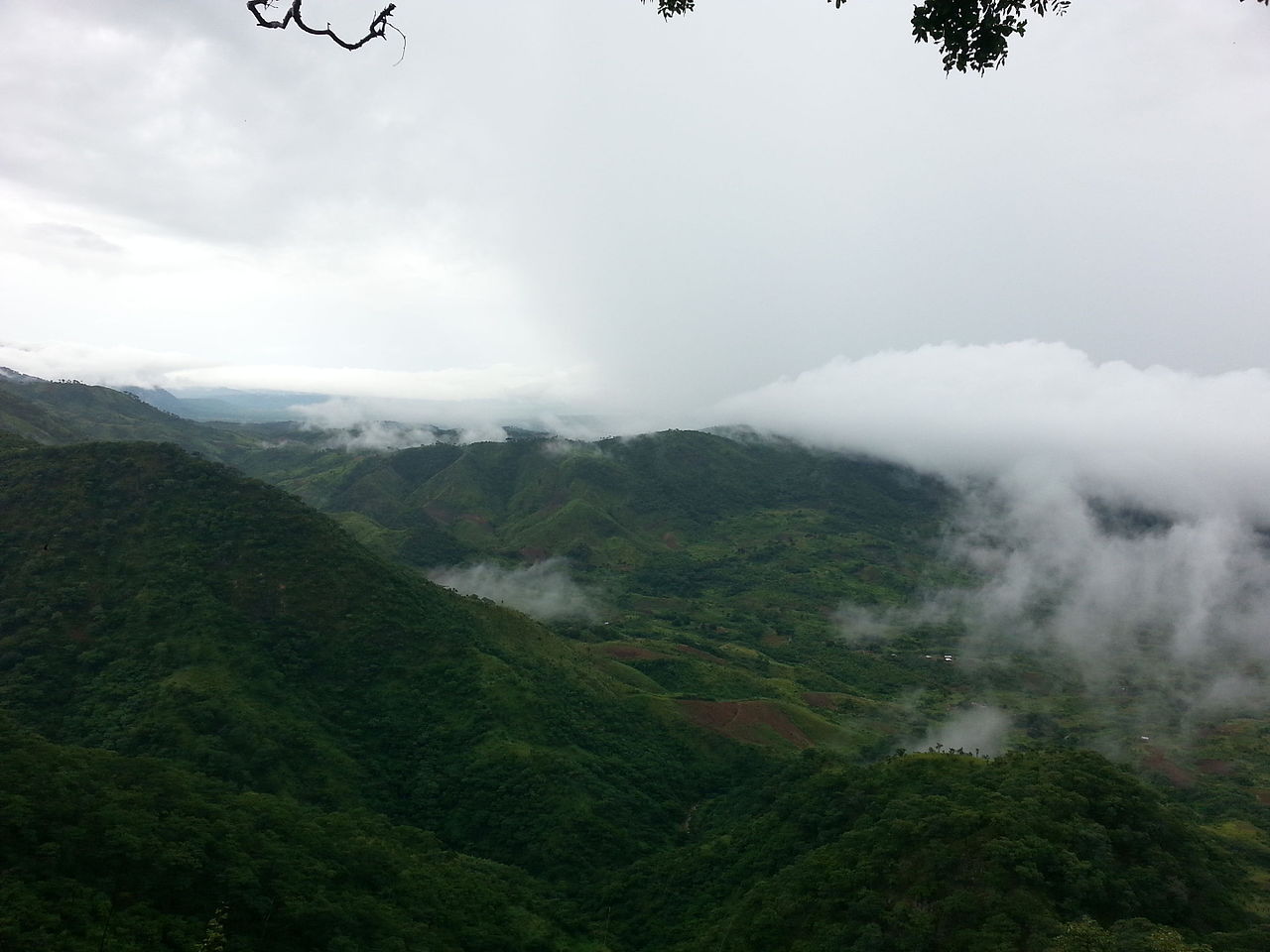
Physical geography and biodiversity. One of Malawi’s defining features is Lake Malawi, a long, deep rift lake that occupies about one third of the country's surface area and supports extraordinary freshwater biodiversity, particularly cichlid fishes. The landscape ranges from low-lying lakeshores to highlands such as the Mulanje Massif and Nyika Plateau. The climate is generally tropical with a warm wet season and a cooler dry season; altitude influences local temperatures and rainfall. Protected areas and national parks preserve montane forests, miombo woodland and important bird habitats, attracting both scientific attention and tourism.
Image gallery
10 Images




History
The region was populated over centuries by Bantu-speaking groups who established farming and iron-working communities. From the late 19th century the area became part of the British sphere of influence and was administered as a protectorate by the United Kingdom. In the mid-20th century it formed part of the short-lived Federation of Rhodesia and Nyasaland before the federation dissolved and the protectorate status (protectorate) ended. Nyasaland gained independence in 1964: the country initially recognised the British monarch (Queen Elizabeth) before becoming a republic. The early post‑independence period included a long spell of one-party rule under Hastings Banda (Hastings Banda), who led until the multi‑party transition of the 1990s. Since democratic reforms, Malawi has held regular national elections and engaged with regional and global organizations.
Economy and society
Agriculture is the backbone of Malawi’s economy. Smallholder farming produces staples and export crops such as tobacco, tea and sugar, while inland fisheries on Lake Malawi are an important source of protein and livelihood. The country faces persistent development challenges: a high proportion of people live in rural areas, per capita incomes are low, and government budgets depend in part on international assistance. Tourism, particularly for lakeshore resorts and wildlife viewing, offers potential for growth when supported by infrastructure and conservation measures.
Public health remains a central concern. Malawi has grappled with communicable diseases and health system constraints that affect life expectancy and infant mortality. The HIV epidemic (AIDS) has had significant social and demographic impacts, although national and international programmes have reduced transmission and expanded treatment. Education access has improved, yet quality and completion rates vary between urban and rural communities.
Culture, governance and notable facts. Malawi’s population is culturally diverse, predominantly of Bantu heritage with minority Asian and European communities, and practices a mix of Christian, Islamic and traditional beliefs. The political system is a multi-party democracy with elected institutions; in recent decades leadership has alternated through competitive elections, involving figures such as Peter Mutharika among others. Malawi participates in regional bodies and global forums, and its diplomatic profile emphasizes cooperation and development partnerships.
- Tourism and nature: Lake Malawi’s fish diversity and several protected parks are international attractions and priorities for conservation.
- Agriculture-led economy: smallholder farms dominate production, with cash crops sent to international markets.
- Development priorities: health, education, infrastructure and environmental management remain central to national planning.
- Nickname: the "Warm Heart of Africa" reflects the country’s reputation for hospitality and community-oriented cultures.
For further general information and context about Malawi’s geography, history and social indicators readers may consult national summaries and international development reports. This entry provides a concise introduction to a country with deep cultural roots, striking landscapes and ongoing efforts to translate natural and human resources into sustainable development.
Questions and answers
Q: What is the capital of Malawi?
A: The capital of Malawi is Lilongwe.
Q: What are the official languages of Malawi?
A: The official language of Malawi is English, and the spoken languages are English and Chichewa.
Q: How big is Malawi in terms of area?
A: The total size of Malawi is about 118480 km².
Q: When did Bantu people start living in Malawi?
A: Bantu people started living in Malawi in the 10th century.
Q: When did Nyasaland become an independent country called Malawi?
A: In 1964, Nyasaland became an independent country which was ruled by Queen Elizabeth and was called Malawi. Two years later it became a republic.
Q: Who is the current president of Malawi?
A: Peter Mutharika is the current president of Malwai.
Q: What type of government does Mali have? A:Malwai has a democratic, many party government
Related articles
Author
AlegsaOnline.com Malawi — geography, history, society and economy Leandro Alegsa
URL: https://en.alegsaonline.com/art/60952
Sources
- commons.wikimedia.org : Malawi
- fotw.us : "Malawi"
- lyricsondemand.com : "Malawi National Anthem Lyrics"
- news.bbc.co.uk : "Country profile: Malawi"
- fao.org : "FAO Country Profiles:Malawi"
- ifpri.org : "Chapter 1: An Introduction"
- imf.org : "Malawi"
- data.worldbank.org : "Gini Index"
- hdr.undp.org : "2014 Human Development Report Summary"
- novocmalawi.org : "Malawi, The Warm Heart of Africa"
- whc.unesco.org : "Malawi Slave Routes and Dr. David Livingstone Trail - UNESCO World Heritage Centre"
- thecommonwealth.org : Commonwealth Secretariat - Member States