
The Aeneid — Virgil's Latin epic of Aeneas and Rome's origins
Epic Latin poem by Virgil (late 1st century BC) recounting Aeneas's flight from Troy, his trials, and the foundations of Roman destiny; central to classical literature and Western cultural history.
Overview
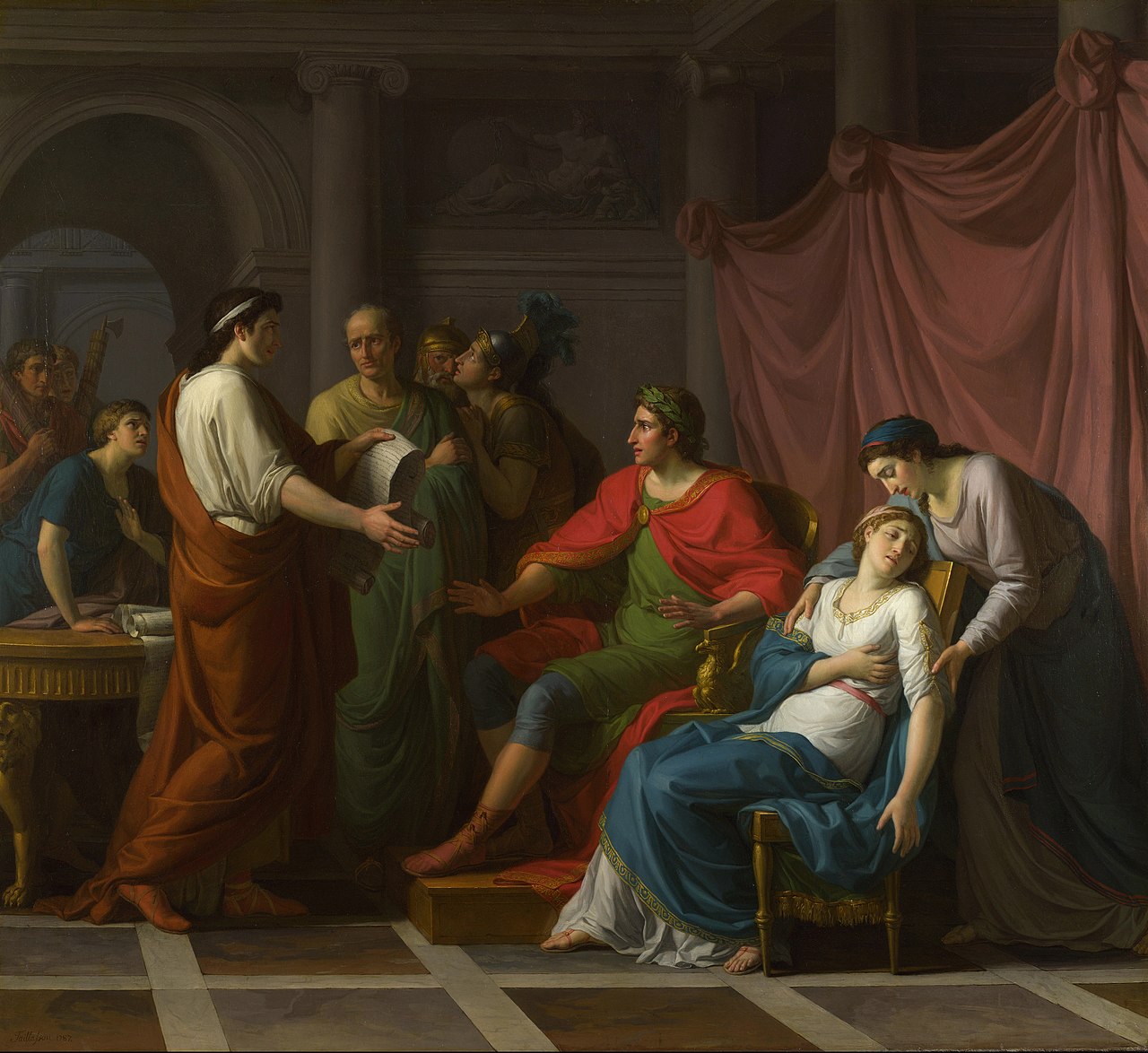
The Aeneid is a Latin epic poem composed by the Roman poet Virgil during the late Republic and early Empire. Composition traditionally falls between 29 BC and 19 BC. Written in dactylic hexameters, it combines mythic narrative with themes relevant to Rome’s political and cultural transformation.
Image gallery
10 Images




Plot summary
The narrative follows the Trojan hero Aeneas, who escapes the burning city of Troy carrying his father Anchises and leading a band of survivors. The poem opens with flight and loss, then traces wanderings, encounters with foreign peoples and rulers, and finally Aeneas’s arrival on the shores of Italy, where he becomes embroiled in conflicts that will culminate in the establishment of a Trojan lineage destined to be linked with Rome. The work mixes adventure, romance, and warfare while emphasizing the obligations that drive its hero.
Structure and composition
The Aeneid is traditionally divided into twelve books. The first six resemble Homeric wanderings and encounters, while the last six concentrate on warfare and settlement in Italy. Scholars note careful imitation and transformation of Homeric models alongside original episodes. The poem was left incomplete at Virgil’s death; ancient accounts say he intended final revisions and allegedly wished the work destroyed, though imperial intervention preserved it.
Themes and interpretation
Key themes include duty, pietas (a blend of familial, civic and religious responsibility), fate, and the costs of founding a new order. Readers and critics have long debated the poem’s political dimension: it is often read as subtle propaganda or as a complex reflection on power and destiny in the age of Augustus. Moral ambiguity, tragic loss, and the tension between personal desire and public obligation give the work its enduring dramatic force.
Language, style and notable episodes
Virgil’s polished Latin, vivid imagery, and measured cadence in hexameter make the Aeneid a model of Augustan literary taste. Famous episodes include the fall of Troy, the love and tragic end of Dido, the descent to the underworld, and the climactic battles in Italy. Readers often consult the poem for its memorable scenes and for Virgil’s artful fusion of epic conventions with Roman themes.
Reception and legacy
The Aeneid became central to Roman education and later medieval, Renaissance and modern literature and art. It has been translated, adapted and commented on for centuries and remains a cornerstone of classical studies. For introductions, translations and scholarly resources, see editions and commentary that survey authorship, textual transmission and interpretive debates (narrative studies, text editions, biographies, or comparative readings). Other useful reference points include historical timelines and analyses of poetic form (composition dates, late Republican context, Aeneas as character, Anchises and ancestry, Troy, Aeneas' landings, Italy in the epic, and discussions of hexameter and prosody).
- Principal hero: Aeneas
- Author: Virgil
- Historical frame: Augustan age and related political readings
Related articles
Author
AlegsaOnline.com The Aeneid — Virgil's Latin epic of Aeneas and Rome's origins Leandro Alegsa
URL: https://en.alegsaonline.com/art/1149
Sources
- jstor.org : "Pius Aeneas,"
- commons.wikimedia.org : Aeneid