
Ages of Man: the Five Hesiodic Eras from Golden to Iron
An overview of the classical Ages of Man myth: its five eras, characteristics, literary sources (Hesiod, Plato, Ovid), and its role in ancient explanations of moral decline.
The Ages of Man is a traditional Ancient Greek myth that divides the history of humanity and the earth into successive eras. In this framework the present condition of humanity is explained as the decline from an earlier, better state to a later, degraded one. The story appears most fully in the poet Hesiod's account, but later authors and philosophers repeated and adapted the scheme. It has been read as a moral fable, a theogonic explanation of changing divine-human relations, and a way to order mythic time in relation to social values.
Image gallery
4 Images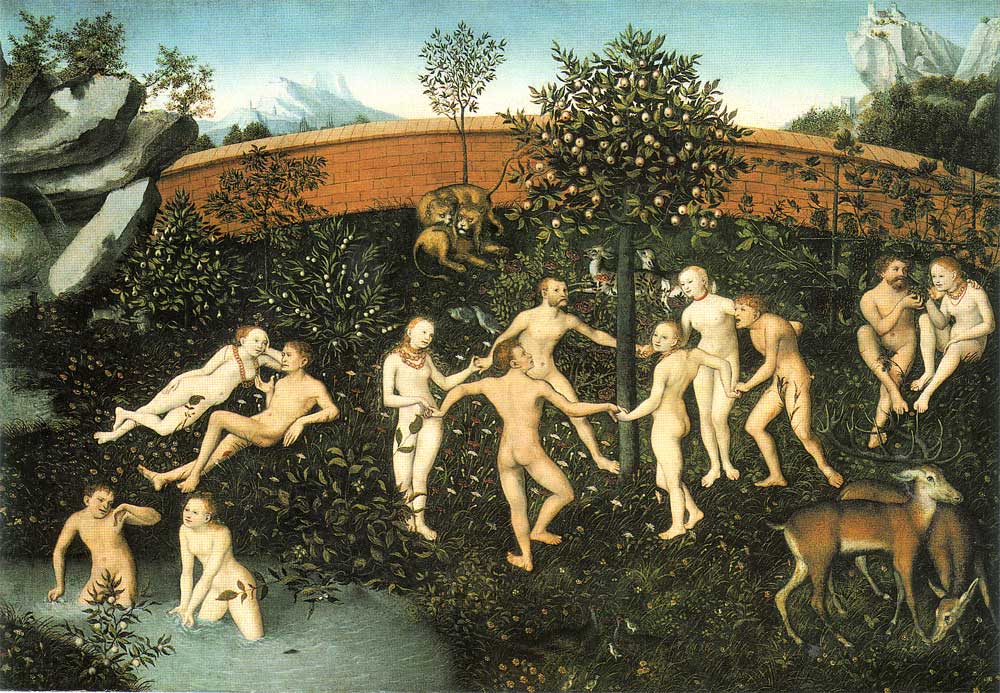


Five ages and their chief features
- Golden Age: Described as a primeval time of abundance and peace when people lived in harmony with the gods and did not suffer the hardships of later life. This age is sometimes linked with the rule of the Titan Kronos and, in some later accounts, with benign spirit-beings or guardians. Philosophers such as Plato and others spoke of intermediary spirits or daimones that assisted humanity in earlier times.
- Silver Age: A generation that retained some bounty but became quarrelsome. In Hesiod's scheme children lingered long in dependency and adults broke household bonds; their refusal to properly honor the new sky-god provoked his wrath. The narrative highlights failures of piety and worship (religious observance) and references long childhoods (childhood) and divine punishment by Zeus.
- Bronze Age: A harsher era marked by frequent violence and martial character. The people of this age were warlike, fashioned by bronze tools and weapons, and their own aggression led to mutual destruction; myths emphasize endless conflict and ruin (internecine warfare).
- Heroic Age: A distinctive insertion in Hesiod's list, this age celebrates demigods and legendary champions. It is the setting for many epic deeds and names from Greek legend—demigods and heroes such as Perseus, Heracles, and the expeditionary casts like the Argonauts—and it concludes after great events such as the Trojan War.
- Iron Age: The present and bleakest period in Hesiod's moral cosmology. In this age the gods are said to withdraw from intimate involvement with human affairs, and people forget justice and humility. The poem criticizes social ills and loss of virtue (moral decline) and presents the era as one of toil and sorrow.
Hesiod's canonical statement presents the ages as a partly theogonic and partly moral history: the transformation of divine governance, the rise of Zeus, and the consequences for human customs and suffering. The poet wrote in the archaic period of Greece, preserving cultural memory and ethical teaching by casting human conditions within a sequence of ages.
Sources, adaptations, and influence
The main ancient testimony is Hesiod's poetic account, often dated to the early archaic century and transmitted in works such as Works and Days. Later writers adapted the theme: the philosopher Plato discussed similar notions of a lost golden time and benign intermediary spirits, while the Roman poet Ovid retold a four-age version in Latin literature, omitting the heroic insertion that Hesiod preserves. Over centuries the Ages of Man became a touchstone for authors, artists, and moralists who used the pattern to comment on human decline, political change, or the loss of primordial blessings.
Different traditions emphasize different lessons. Some readings stress a fall from perfect communion with the divine; others treat the sequence as a metaphor for technological or social change. The scheme has analogues in many cultures where mythic time is used to contrast a golden past and a troubled present, and it has been cited in later philosophical, historical, and literary discussions about the origin and degradation of societies.
For further study see general discussions of classical myth and primary poetic sources; modern literature on Hesiodic chronology and Roman reception addresses how the ages were reshaped by poets and thinkers across antiquity. Basic entries on the concept and its principal figures can be found in standard reference works and translations of the primary poems.
References and notes: see primary poetic sources by Hesiod (Hesiod), philosophical citations (Plato), and Latin treatments by Ovid. For thematic background on divine figures, worship practices and hero narratives consult introductory surveys of Greek religion and epic tradition (historical accounts, world-myth studies, humanity in myth).
Questions and answers
Q: What is the Ages of Man?
A: The Ages of Man is an Ancient Greek myth that divides the history of the world into five eras.
Q: Who wrote about the Ages of Man first?
A: The Ages of Man was first written down by Greek poet Hesiod, about 2700 years ago.
Q: What happened in the Golden Age?
A: In the Golden Age, humans lived together with gods in peace and were ruled by Kronos. There were also demons who were good and helped people.
Q: What happened in the Silver Age?
A: In the Silver Age, humans lived for one hundred years as children and fought each other when they became adults. They refused to worship Zeus so he killed them all.
Q: What happened in the Bronze Age?
A: In the Bronze Age, humans fought each other all time and have been killed in their own wars.
Q: Who lived during Heroic Age?
A: During Heroic Age demigods and heroes lived among humans such as Perseus, Heracles, and Argonauts. It ended after Trojan War.
Q: What happened in Iron age?
A:In Iron age gods and other supernatural beings abandoned humans which caused them to forget their virtues and live in misery. This was also when Hesiod himself lived
Related articles
Author
AlegsaOnline.com Ages of Man: the Five Hesiodic Eras from Golden to Iron Leandro Alegsa
URL: https://en.alegsaonline.com/art/1378