
Agamemnon: King of Mycenae and Commander in Greek Epic
Agamemnon, son of Atreus and brother of Menelaus, is a central figure in Greek epic and tragedy—commander at Troy, husband of Clytemnestra, and the tragic victim at his return from war.
Overview
Agamemnon is a prominent figure in ancient Greek myth and literature, traditionally described as the king of Mycenae. His Greek name appears as Ἀγαμέμνων in classical sources. A son of Atreus and Aerope and the elder brother of Menelaus, Agamemnon leads the assembled Achaean forces in the legendary conflict against Troy. He appears in epic poetry, especially in the works attributed to Homer, and later becomes the subject of tragic drama and sustained cultural reflection.
Image gallery
10 Images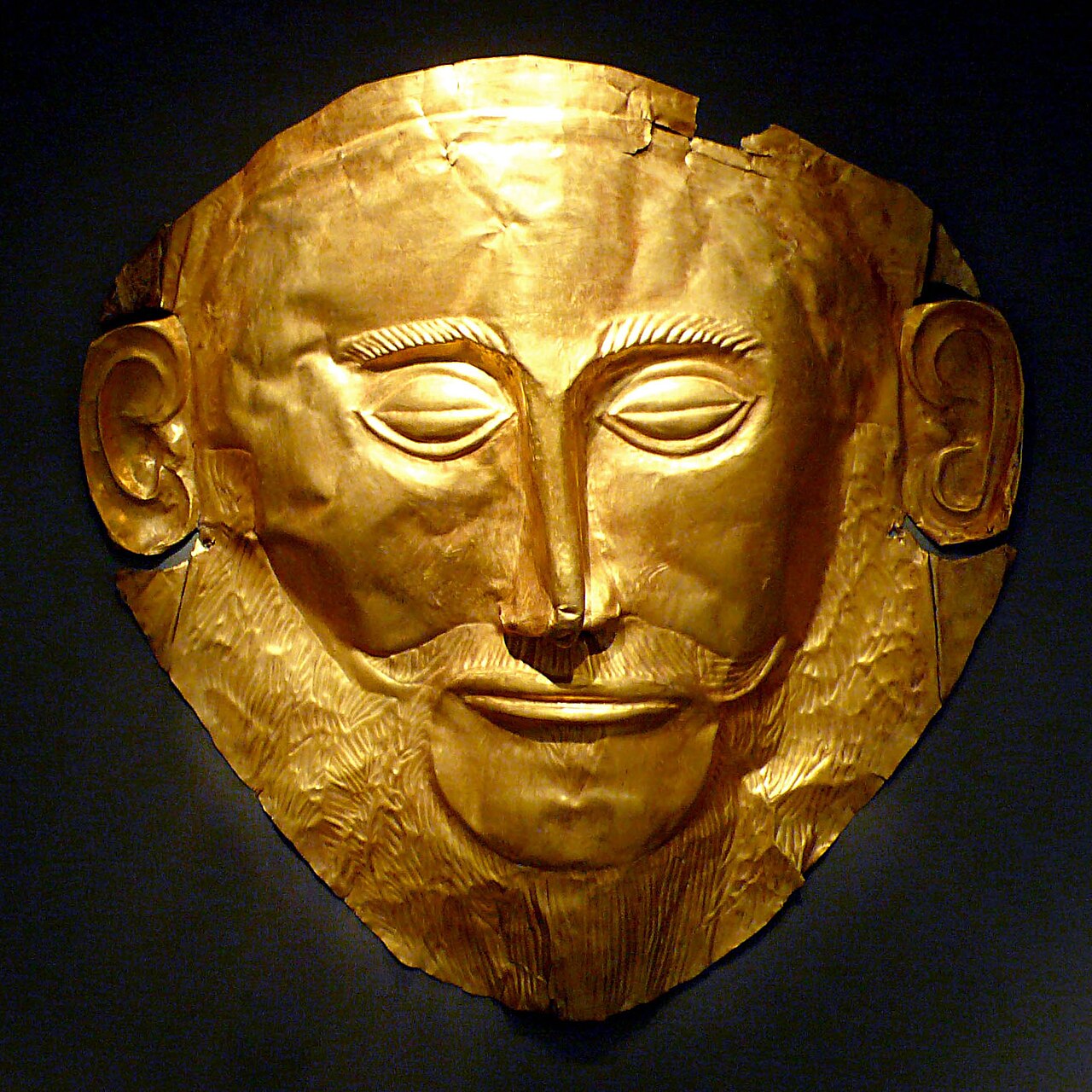


Principal episodes and characteristics
In the mythic cycle, Agamemnon is portrayed as a powerful but often imperious king whose decisions have wide consequences. Major episodes associated with him include:
- The call to arms and leadership of the Greek expedition against Troy, the Trojan War.
- The quarrel with Achilles over honor and a captive woman, an incident central to the narrative of the Iliad.
- The sacrifice of his daughter Iphigenia (in some versions) to secure favorable winds for the fleet—an act that fuels later vengeance at home.
- His homecoming and violent death at the hands of his wife, Clytemnestra, and her lover Aegisthus.
Family and immediate aftermath
Agamemnon's household is a focal point for the cycle of crime and retribution that marks many Greek tragedies. His children with Clytemnestra typically include Iphigenia, Electra, Orestes and sometimes Chrysothemis or Laodike in variant accounts. After Agamemnon's murder, his son Orestes becomes the agent of revenge—an action that triggers questions about justice and the law of blood vengeance, later dramatized in Aeschylus's Oresteia.
Literary treatment and historical debate
Homer’s Iliad presents Agamemnon in the context of the battlefield dispute with Achilles, emphasizing themes of honor, leadership and the costs of pride. The Odyssey and many later poets and tragedians expand the story of his return and murder. Dramatic treatments by Aeschylus, Sophocles and Euripides examine the moral and civic implications of his fate, transforming a mythic king into a vehicle for reflection on kingship, gender, and justice. From a historical perspective, scholars debate the extent to which a historical leader inspired the Agamemnon figure. Archaeological remains at the citadel of Mycenae indicate a powerful Late Bronze Age polity often associated with the Homeric world, but direct identification with the legendary king remains speculative.
Legacy and notable aspects
Agamemnon's story has endured because it combines grand themes—war, familial duty, sacrifice and vengeance—with intense personal drama. It has been reworked in ancient drama, visual art and modern literature. His narrative raises enduring questions about the costs of leadership and how societies reckon with private wrongs and public justice. For readers exploring primary texts, essential references include Homer's epics: the Iliad and the Odyssey, while tragic portrayals give moral and judicial depth to his tale.
Key references and episodes
- Leadership at Troy (the Trojan War).
- Conflict with Achilles—central to the Iliad.
- Sacrifice of Iphigenia, motivating his wife Clytemnestra's rebellion.
- Murder by Aegisthus and the subsequent vendetta resolved by Orestes, a story treated widely in Greek tragedy.
This entry provides a concise synthesis of Agamemnon’s place in myth and literature, and points to the major texts and motifs that shaped his enduring reputation.
Related articles
Author
AlegsaOnline.com Agamemnon: King of Mycenae and Commander in Greek Epic Leandro Alegsa
URL: https://en.alegsaonline.com/art/1330