
Aeneas: Trojan prince, epic hero, and ancestor of Rome
Aeneas, son of Anchises and the goddess Aphrodite (Venus), is a key figure in Greek and Roman myth. He is the protagonist of Virgil's Aeneid and a legendary progenitor of Rome's founders.
Overview
Aeneas is a Trojan prince and a celebrated leader and hero in ancient Mediterranean literature. He is described as the son of Anchises and the Greek goddess Aphrodite, known in Roman tradition as Venus. In later Roman myth Aeneas becomes a cultural ancestor whose story links the fall of Troy to the eventual rise of Rome.
Image gallery
10 Images


Lineage and character
Accounts emphasize Aeneas's dual nature as a mortal with divine parentage and as a man bound by duty. Classical authors present him as devout, responsible and forward-looking—the embodiment of what Roman writers called pietas. These traits are central to his portrayal in both Greek and Latin literature.
Literary sources and the Aeneid
Aeneas appears in Homeric epic, notably in passages of the Homeric tradition and brief episodes of the Iliad. His most famous and influential portrayal is in the long Latin epic composed by Virgil, written in Latin and commonly known in English as the Aeneid. Virgil's poem frames Aeneas's wanderings after Troy, his trials, and the mission that ultimately ties him to Italy and Rome's legendary beginnings.
The epic journey and founding motif
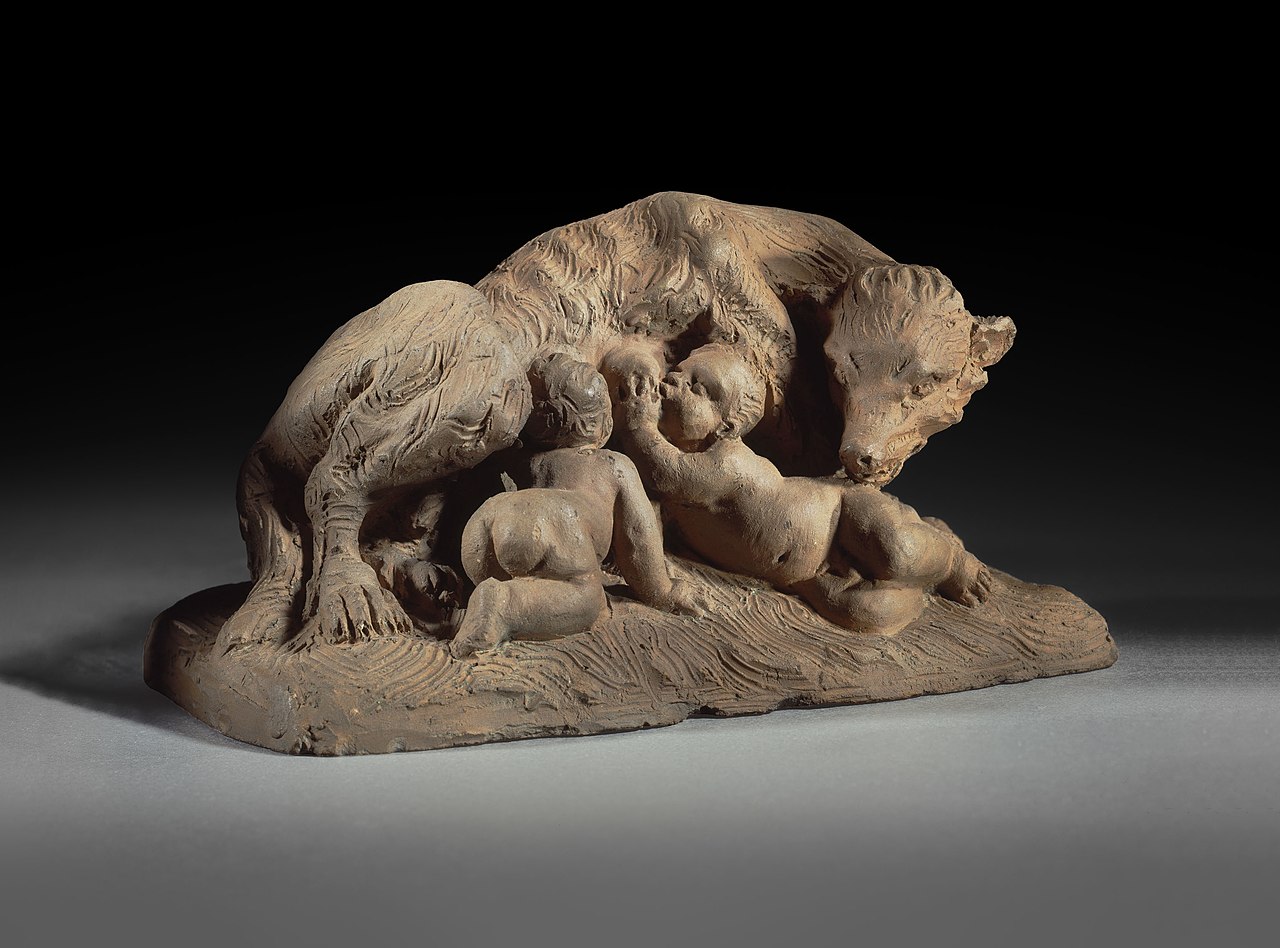
The narrative tradition follows Aeneas as he escapes burning Troy carrying his father, travels across the Mediterranean Sea, and encounters a sequence of adventures and political challenges. Key episodes include his ill-fated relationship with Dido, queen of Carthage, and his arrival in Italy where later legends situate the ancestry of Romulus and Remus. The journey frames themes of exile, destiny and the tension between personal desire and public duty.
Cultural influence and adaptations
Aeneas has inspired works across millennia. Renaissance and later European writers and dramatists referenced his story: Shakespeare alludes to the legend, and playwrights such as Christopher Marlowe dramatized parts of the Aeneas and Dido episode. The tale also moved composers: there is a famous Baroque opera about Dido and Aeneas composed by Henry Purcell. Visual artists, sculptors and later novelists have repeatedly returned to Aeneas as a symbol of migration, foundation and cultural continuity.
Themes, interpretation and legacy
Scholars study Aeneas for what he reveals about ancient ideas of leadership, piety and imperial destiny. The figure functions both as a mythic protagonist and as a political symbol used by Romans to legitimize institutions and lineage. Today Aeneas remains central to discussions of classical reception, national mythmaking, and the interplay between literature and historical identity.
Key episodes and topics
- Escape from Troy and the image of filial duty.
- Wanderings across the Mediterranean and encounters with foreign peoples.
- Romance and tragedy with Dido and its moral implications.
- Arrival in Italy, alliances and the prophetic link to Rome's origins.
- Ongoing influence in literature, drama and music.
For introductions and translations of primary texts, see editions and commentaries associated with classical studies and translations of the Aeneid. For broader historical and literary context consult modern surveys of Homeric and Roman epic traditions.
Questions and answers
Q: Who was Aeneas?
A: Aeneas was a Trojan prince and hero. His father was Anchises and his mother was the Greek goddess Aphrodite (Venus in the case of Roman sources).
Q: What did Virgil write about Aeneas?
A: Virgil wrote a series of books about Aeneas called "Aeneis" in their original Latin, usually translated as "The Aeneid". The books tell the story of "pious Aeneas" and how Rome came to be founded.
Q: Where does Homer mention Aeneas?
A: Homer mentions Aeneas in Book 5 of the Iliad.
Q: Who else wrote stories or plays featuring Aeneas?
A: William Shakespeare wrote a story mentioning him, and Christopher Marlowe wrote a play about Dido, the queen who fell in love with him. There is also an opera about Dido and Aeneas written by Henry Purcell.
Q: How did the tale of 'pious Aneas' begin?
A: The tale begins with Aneas carrying his father out of burning Troy.
Q: Where did he end up after sailing across the Mediterranean Sea for a long time?
A: After sailing across the Mediterranean Sea for a long time, he ended up on the coast where Romulus and Remus would later found Rome.
Related articles
Author
AlegsaOnline.com Aeneas: Trojan prince, epic hero, and ancestor of Rome Leandro Alegsa
URL: https://en.alegsaonline.com/art/1148
Sources
- jstor.org : "Pius Aeneas,"