
Ani DiFranco: independent singer-songwriter, activist, and label founder
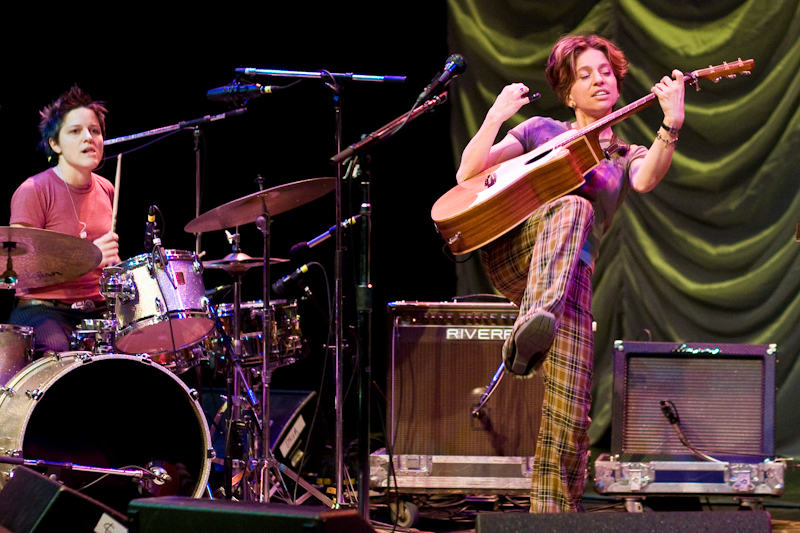
Ani DiFranco (born 1970) is an American singer-songwriter and guitarist known for her independent label, politically charged lyrics, genre-blending music, and long career of activism and prolific recording.
Ani DiFranco is an American musician and songwriter whose work combines personal storytelling, political engagement, and a do-it-yourself approach to recording and distribution. Widely recognized as a pioneering guitarist and singer, DiFranco has released an extensive catalogue of albums and EPs since her self-released debut in 1990. Her songs frequently address feminism, social justice and other public issues while also exploring intimate themes of identity and relationships. Over the years she has been characterized by critics and listeners as both folk and alternative in orientation, though her sound draws freely from many traditions.
Image gallery
4 Images


Musical style and themes
DiFranco's music resists simple categorization. Early work was rooted in acoustic songwriting and incisive, rapid-fire lyrics; subsequent records incorporated elements from punk, funk, hip-hop, jazz and other styles. Her arrangements range from solo acoustic performances to fuller band productions, and she has worked in different formats including studio albums, live releases and collaborative projects. Lyrically, she is noted for frank explorations of gender, sexuality and power as well as explicit political commentary. The combination of personal narrative and public critique has been central to her reputation.
Career and independent entrepreneurship
Rather than follow a conventional route through major labels, DiFranco founded her own imprint, Righteous Babe Records, early in her career. That decision gave her control over creative decisions, production and distribution and set a model for other independent artists. She has been prolific, issuing albums regularly throughout the 1990s and 2000s, and her discography includes collaborations with established folk figures as well as more experimental projects. For example, she recorded two albums with elder folk activist Utah Phillips and has released both full-length albums and shorter EPs.
History and personal background
Born in New York state in 1970, DiFranco left home to attend college at a young age and soon pursued music full time. As an openly bisexual artist, she has often addressed LGBTQ issues in interviews and songs and has been identified with feminist and progressive movements. She established a base outside the mainstream music industry and later lived in New Orleans with her spouse. Her output across decades has combined touring, recording and community-oriented projects.
Notable events and controversies
DiFranco's public role as an activist and organizer has occasionally drawn controversy. In 2013 she announced plans for a retreat that would have been held at a historic plantation site, prompting criticism on social media platforms and in activist communities; she subsequently cancelled that event. Throughout her career she has taken public stances on war, reproductive rights and civil liberties and used her platform to amplify grassroots causes.
Legacy and distinctions
Ani DiFranco is often cited as a model for independent musicians who seek artistic autonomy. Her label and touring practices influenced how later artists approached self-releasing and grassroots promotion. She has blended musical genres—moving from early folk-inflected songs into work that incorporates punk, funk, hip-hop and jazz impulses—and has collaborated with a range of performers and activists. Listeners and commentators note her uncompromising voice, persistent touring schedule, and willingness to address difficult social issues through music.
Selected facts
- First album released in 1990; many albums and EPs followed, with steady output through the 1990s and beyond.
- Founder of Righteous Babe Records, a landmark independent label in the U.S.
- Recorded collaborative albums with folk figure Utah Phillips and has worked across genres including funk, hip hop and jazz influences.
- Often identified with feminist themes and political songwriting; has been active on issues from anti-war organizing to LGBTQ rights.
- Biographical notes: born in New York state, attended college at 16, and later lived in New Orleans.
For listeners seeking deeper context, reviews, interviews and a complete discography offer further detail: see label materials, contemporary press coverage and interviews where DiFranco discusses creative choices, the role of songwriting, and the motivations behind particular records. Online conversations and social platforms such as Twitter and Tumblr have at times shaped public responses to her projects. Official announcements and archived statements about specific events—such as the 2013 retreat controversy at the Nottoway Plantation—are available through primary sources and news reporting that reference the location by name Nottoway Plantation. For broader overviews and curated collections, consult artist pages, label notes and reputable music reference works that cover late 20th- and early 21st-century independent singer-songwriters. Additional resources and context are available from artist profiles and reporting hosted at music outlets and archival repositories discography, biography.
Related articles
Author
AlegsaOnline.com Ani DiFranco: independent singer-songwriter, activist, and label founder Leandro Alegsa
URL: https://en.alegsaonline.com/art/114241
Sources
- biography.com : "Ani DiFranco"
- bitchmagazine.org : bitchmagazine.org
- righteousbabe.com : righteousbabe.com