
Nottoway Plantation House, White Castle, Louisiana
Antebellum plantation house built in 1859 near White Castle, Louisiana. Notable for its grand Greek Revival-Italianate architecture, association with the sugar economy and enslaved labor, and current museum use.
Overview
Nottoway Plantation House is a large antebellum mansion located near White Castle, Louisiana. Constructed in 1859 for planter John Hampden Randolph, it has been widely noted for its imposing scale and ornate style. The property reflects the wealth generated by mid-19th century sugarcane cultivation in the lower Mississippi River valley and remains a focal point for studying the region's architectural and social history.
Image gallery
8 Images


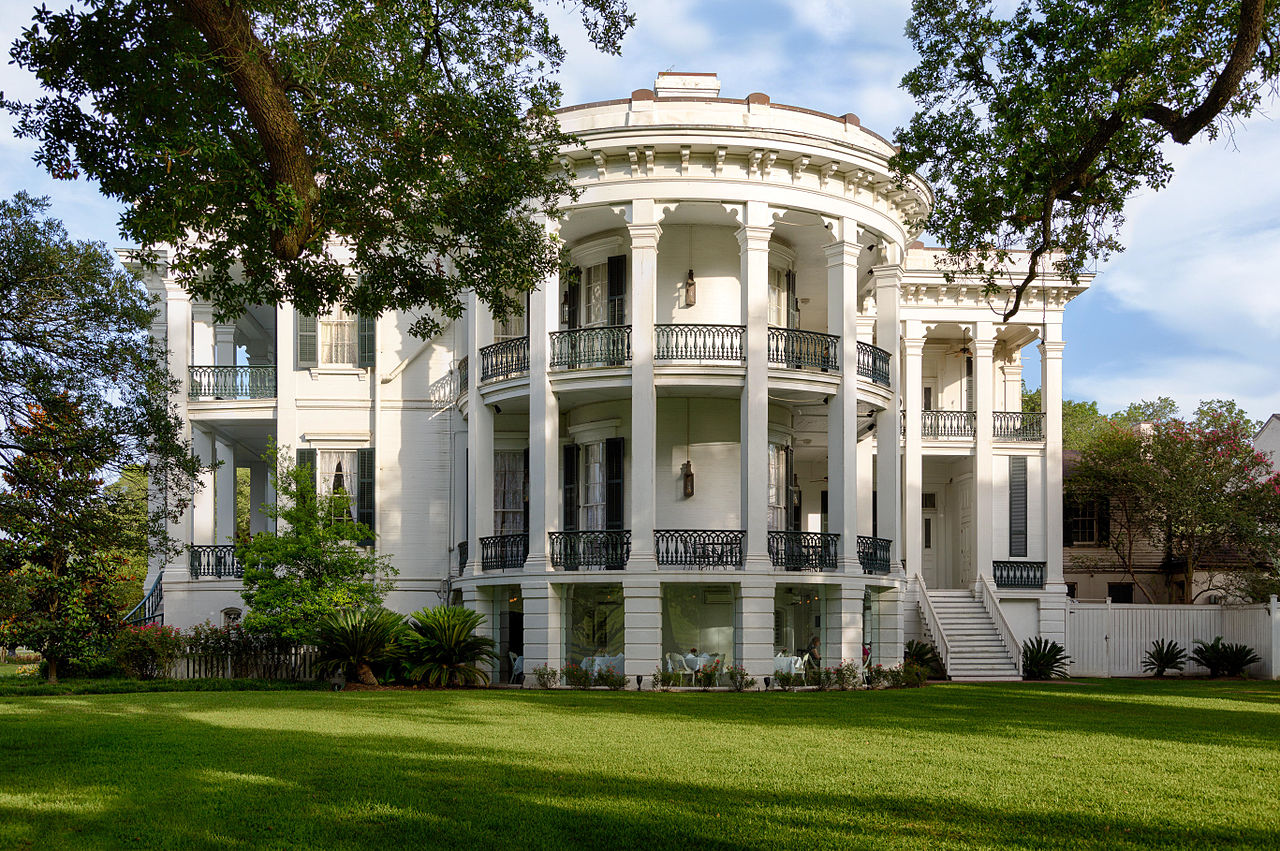


Architecture and notable features
The main house blends Greek Revival massing with Italianate decorative touches common to high-style Southern homes of the 1850s. Its design emphasizes symmetry, grand porticos, and richly detailed interior finishes. Among its most frequently cited curiosities is a total of 365 openings—commonly reported as 165 doors and 200 windows—an attribution often noted in guidebooks and visitor accounts.
History and labor
John Hampden Randolph commissioned the house on a working sugar plantation in the years before the Civil War. Like other plantations of the period, its operations depended on enslaved African American labor to cultivate and process sugarcane. Historical records associate Randolph’s ownership with a substantial number of enslaved people; this reality is central to modern interpretation of the site. After the planter’s death and through the postwar decades, the plantation changed hands as the Southern economy and landholdings were transformed by emancipation and market pressures.
Preservation, listing, and public use
Nottoway House was recognized for its architectural and historic significance when it was added to the National Register of Historic Places in 1980 (National Register). In subsequent years the property has been adapted for public visitation. It operates as a historic house museum and commercial venue, offering tours, interpretive exhibits, and event services; information for visitors and researchers can be found through tourism and preservation resources (visitor information).
Interpretation and controversies
Like many plantation sites, Nottoway raises difficult questions about memory, representation, and the legacy of slavery. Contemporary curators and scholars emphasize the need to interpret both the architectural achievement and the human cost of plantation agriculture. Efforts to present fuller stories include documenting the lives of the enslaved community and situating the house within broader economic and social histories (context on labor and slavery).
Visitor notes and significance
Today the plantation draws interest from those studying antebellum architecture, Southern history, and heritage tourism. Visitors often note the house's scale and decorative detail while also encountering exhibitions and programming that aim to explain its complicated past. Preservation of Nottoway contributes to ongoing public discussions about how historic sites remember and teach difficult chapters of American history.
- Location: near White Castle
- Historic recognition: National Register listing
- Interpretive resources: museum and tours
- Context on labor history: enslaved labor and sugar economy
Questions and answers
Q: Where is Nottoway Plantation located?
A: Nottoway Plantation is located in White Castle, Louisiana.
Q: When was Nottoway Plantation added to the National Register of Historic Places?
A: Nottoway Plantation was added to the National Register of Historic Places in 1980.
Q: Who built Nottoway Plantation?
A: John Hampden Randolph built Nottoway Plantation.
Q: How many slaves did John Hampden Randolph own?
A: John Hampden Randolph owned 155 African-Americans as slaves.
Q: What type of work did the slaves do at Nottoway Plantation?
A: The slaves worked in the sugarcane fields at Nottoway Plantation.
Q: How many doors and windows does Nottoway Plantation have?
A: Nottoway Plantation has 165 doors and 200 windows, which makes a total of 365 openings.
Q: Does Nottoway Plantation have a museum?
A: Yes, Nottoway Plantation has a museum.
Related articles
Author
AlegsaOnline.com Nottoway Plantation House, White Castle, Louisiana Leandro Alegsa
URL: https://en.alegsaonline.com/art/71196
Sources
- nottoway.com : nottoway.com