
Funk: African American rhythmic music style and cultural movement
Funk is a groove-focused American music style that emerged in the 1960s, blending soul and R&B with strong rhythmic emphasis, syncopated bass and guitars, horn stabs, and dance-oriented grooves.
Overview
Funk is a music style that originated in the African American community of the United States during the 1960s. It foregrounds rhythm and groove over melodic or harmonic complexity, creating a sound designed for movement and collective feeling. Early innovators combined elements from rhythm and blues and soul while altering emphasis and phrasing to make rhythm the central element of the ensemble.
Image gallery
10 Images


Musical characteristics
At its core, funk emphasizes a strong rhythmic pulse, syncopation, and the placement of accents on unexpected beats — a practice sometimes described as hitting "the one." Instruments often play interlocking, repetitive parts to lock the groove together. Vocals may be soulful, shouted, or chanted and often feature call-and-response patterns. Timbre and feel—percussive guitar, clipped horn hits, deep bass tones, and tight drum patterns—are more important than long melodic lines.
Instrumentation and arrangement
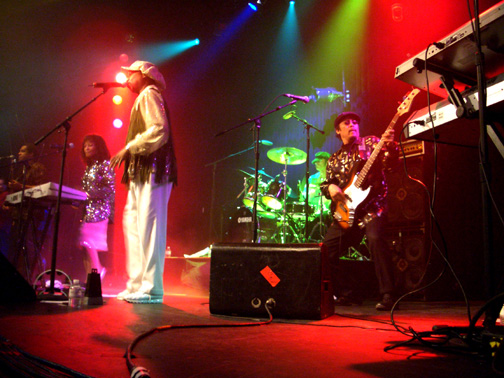
Funk bands typically use a compact rhythm section and tight horn arrangements. Common instruments include:
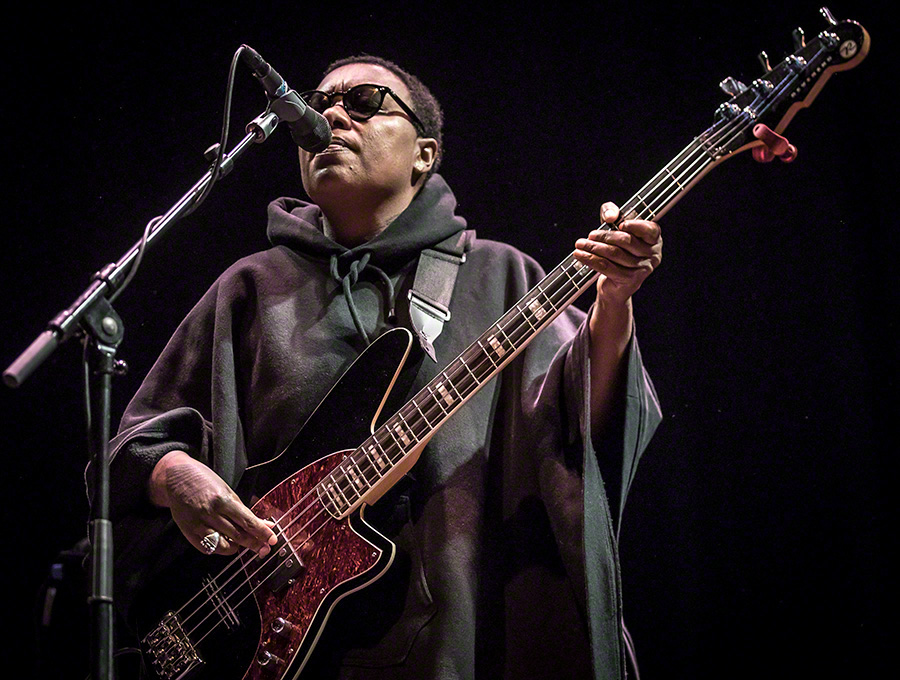
- Bass guitar — often prominent, playing syncopated, melodic lines.
- Electric guitar — played percussively with muted strums and wah effects.
- Drums — steady backbeat with ghost notes and sharp snare accents.
- Keyboards and synthesizers — electric organs and early synths add color and comping.
- Horn sections (brass and reeds) including saxophones, trumpets, and trombones — provide punctuating stabs and riffs.
- Additional percussion and rhythm helpers are common; the ensemble approach treats many parts as rhythmic instruments.
History and development
Funk grew out of soul and R&B, with artists reshaping existing idioms to center groove. Pioneering performers such as James Brown emphasized tight, repetitive riffs and strong downbeats; bands like Sly and the Family Stone fused rock, soul and social commentary; George Clinton and his Parliament-Funkadelic collective expanded funk into elaborate, psychedelic arrangements. Regional groups such as The Meters helped define the New Orleans approach to rhythm and pocket.
Uses, influence, and legacy
Funk has been central to dance culture, club scenes, and street performances. Its grooves informed later genres — disco, hip hop (through sampling and breakbeats), funk rock, and modern R&B — and influenced production techniques, bass playing, and rhythm-focused songwriting. Funk idioms remain vital in contemporary music, both in recordings and live performance.
Notable features and distinctions
Unlike some popular music that privileges melody or harmonic progression, funk privileges groove, repetition, and interlocking rhythmic parts. Its aesthetic values—tight ensemble playing, emphasis on the pocket, and an often communal, celebratory feel—distinguish it from adjacent styles. For accessible entry points to the style, listeners often explore classic singles and influential albums, live recordings that capture the band’s feel, and modern artists who revive funk’s rhythmic priorities.
For further reading on cultural context, performance practice and technical analysis consult general music sources and artist biographies available online and in libraries; several introductory resources and archives discuss the genre and its practitioners in depth (rhythm, dance music, and the intersections with soul).
Questions and answers
Q: What is funk music?
A: Funk is a type of music from the United States that was developed in the 1960s by African American musicians and singers. It emphasizes the rhythm of the music and mixes rhythm and blues with soul music.
Q: Who are some famous funk musicians?
A: Some famous funk musicians include James Brown, Sly and the Family Stone, George Clinton, and The Meters.
Q: What instruments are used in funk bands?
A: Funk bands use many rhythm instruments such as electric guitar, bass guitar, drums, and keyboard instruments mainly synthesizers and electronic organs. They also have people who play horns including saxophones, trumpets, and trombones.
Q: When did funk music start?
A: Funk music started in the 1960s by African American musicians and singers.
Q: How does funk mix different types of music?
A: Funk mixes rhythm and blues with soul music to create a unique sound that emphasizes the rhythm of the song.
Q: What kind of dance can be done to funk songs?
A: Since it emphasizes rhythm, many types of dance can be done to funk songs including hip hop dancing or line dancing.
Q: Are there any other genres influenced by funk?
A: Yes, many modern genres like hip hop or rap have been influenced by funk due to its emphasis on rhythm.
Related articles
Author
AlegsaOnline.com Funk: African American rhythmic music style and cultural movement Leandro Alegsa
URL: https://en.alegsaonline.com/art/37049