
Anker Jørgensen (1922–2016)
Danish Social Democratic leader and prime minister (1972–73, 1975–82), noted for his working‑class background, commitment to the welfare state and managing Denmark through 1970s–80s economic crises.
Overview
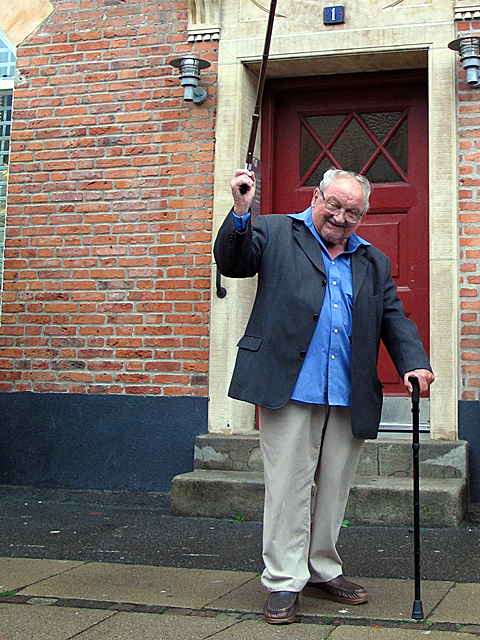
Anker Jørgensen was a Danish Social Democratic politician who served as Prime Minister of Denmark in two periods, 1972–1973 and 1975–1982. He became one of the best known public figures in Denmark during the 1970s and early 1980s, associated with efforts to protect the welfare state while responding to difficult economic conditions.
Image gallery
5 Images


Early life and political rise
Born in Copenhagen on 13 July 1922, Jørgensen came from a working‑class background and began his career outside the university and ministerial circles that often dominate politics. His practical experience in labour and union environments shaped a pragmatic, modest political style. He rose through the ranks of the Social Democratic movement and entered national politics, where he took on ministerial responsibilities before becoming prime minister.
Key roles
- Prime Minister of Denmark (1972–1973, 1975–1982)
- Leader of the Social Democrats from the early 1970s into the 1980s
- Served in foreign affairs and other ministerial posts during his career
Premiership and policies
Jørgensen led minority governments that relied on negotiation and compromise with other parties. His terms coincided with the international oil crises, high inflation and rising unemployment. Faced with limited options, his administrations combined efforts to preserve core elements of Denmark’s social welfare system with fiscal measures and occasional spending restraint. He was known for a plainspoken approach and an emphasis on social solidarity.
Later life and legacy
After leaving the prime ministership, Jørgensen remained an influential figure within Danish public life and the Social Democratic movement. He continued to be respected across party lines for his personal integrity and his identification with ordinary citizens. He died in Copenhagen on 20 March 2016 at the age of 93.
Notable facts
Observers remember Jørgensen for his working‑class persona, steady leadership during turbulent economic years, and long service to Danish politics. For further contextual information about Danish political institutions and modern history see sources on Copenhagen and Denmark.
Related articles
Author
AlegsaOnline.com Anker Jørgensen (1922–2016) Leandro Alegsa
URL: https://en.alegsaonline.com/art/114247
Sources
- danmarkshistorien.dk : danmarkshistorien.dk
- bloomberg.com : Anker Joergensen, Danish Premier During Oil Crises, Dies at 93