
Hip hop: origins, elements, culture, and global influence
An overview of hip hop: its 1970s Bronx origins, core elements (MCing, DJing, breakdancing, graffiti), musical techniques, cultural roles, evolution, and worldwide influence.
Overview
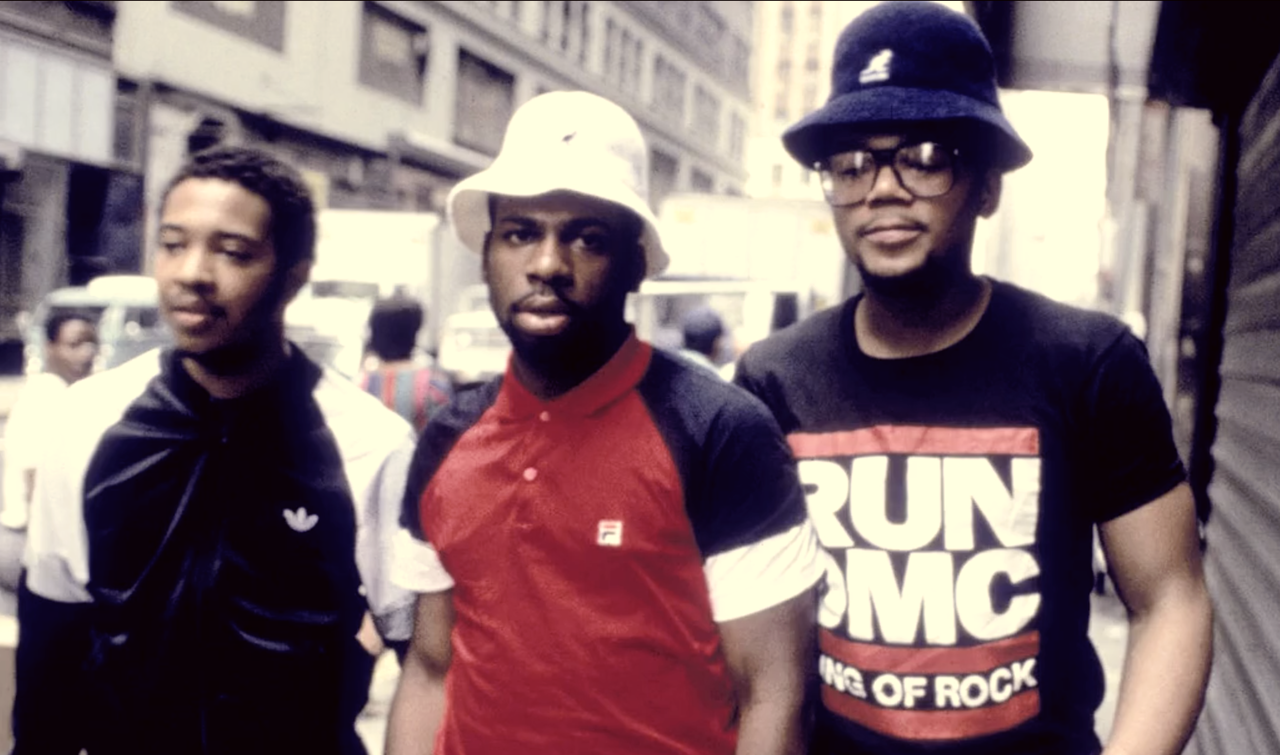
Hip hop is a cultural movement and musical form that began in the early 1970s in New York City and quickly spread to other urban centers. Rooted in communities with African American, Afro‑Caribbean and Latino populations, hip hop combines rhythmic music production, spoken‑word performance, dance and visual art to express everyday life, creativity and social issues. It is both an artistic language and a set of social practices that has influenced fashion, language and media worldwide.
Image gallery
10 Images





Core elements and musical characteristics
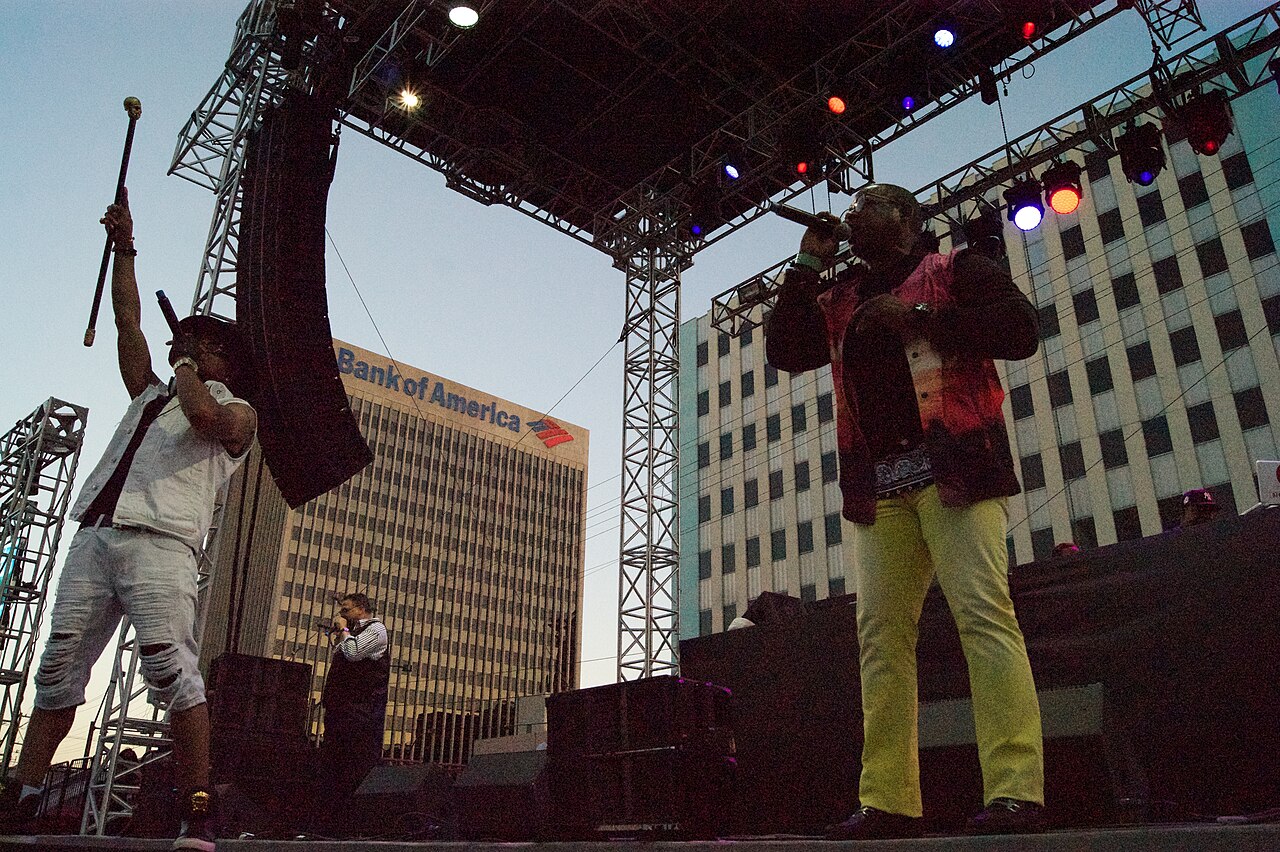
At the center of hip hop are a number of interrelated practices. MCing, commonly called rapping, is the rhythmic vocal delivery that may focus on lyricism, storytelling, social commentary or party‑oriented performance. DJing involves selecting and manipulating recorded music, including techniques that became central to turntablism such as scratching, cutting and mixing. Producers and beatmakers create backing tracks using drum machines, sampled loops, live instrumentation and electronic percussion.
Sampling—reusing portions of existing recordings to build new beats—has been a defining production technique, drawing on funk, soul, disco, reggae and other sources. Song structure often emphasizes strong rhythmic patterns and space for vocal flow; arrangements can range from sparse, percussive grooves to richly layered productions. Hip hop performance includes recorded studio work as well as live shows, battles and DJ sets that prioritize rhythm, presence and audience interaction.
Origins and early development
Hip hop emerged from block parties, community gatherings and neighborhood events where DJs extended percussion breaks and MCs energized crowds. Early scenes were shaped by cross‑cultural exchange: Caribbean sound system traditions and Jamaican toasting influenced vocal style, while African American musical idioms contributed rhythms and songcraft. Pioneering DJs and community organizers helped popularize the forms that later moved into recorded music and broader media.
Dance, visual art and fashion
Dance forms such as breakdancing (B‑boying/B‑girling) developed alongside the music, emphasizing athletic footwork, freezes and acrobatic moves. Graffiti emerged as a visual language on urban surfaces, with letter styles and murals serving as public expression. Fashion connected to hip hop developed from streetwear and performance needs—practical, distinctive and visible—and has repeatedly influenced mainstream clothing trends.
Social role and lyrical themes
Lyrics in hip hop can cover a wide range of themes: personal narrative, community life, social and political critique, celebration, rivalry and braggadocio. For many artists and listeners hip hop has been a platform for marginalized voices, a means of community organizing, and a way to draw attention to inequities and cultural identity. Women, LGBTQ+ artists and international performers have contributed vital perspectives, challenging stereotypes and expanding the culture's expressive range.
Industry, commercialization and criticism
As hip hop entered mainstream markets it generated commercial success, new business models and global media exposure. That growth has also brought debate: concerns about commercialization, representation, gender and violence in lyrics, and the ethics and legality of sampling. The music industry, independent labels and digital platforms have shaped careers and the distribution of hip hop, while artists have often used entrepreneurship to assert creative control.
Global influence and local scenes
Hip hop has proved highly adaptable, with local scenes around the world adopting the core practices and combining them with regional languages, musical traditions and political concerns. International artists use rapping, DJing, graffiti and dance to address local realities, leading to a wide range of fusions with rock, pop, electronic, folk and other genres. The internet and streaming services accelerated these exchanges, enabling collaborations and rapid dissemination of new styles.
Continuing evolution
Subgenres such as conscious rap, gangsta rap, trap and alternative hip hop demonstrate the culture's musical and thematic diversity. Technological changes—affordable home production tools, software samplers and social platforms—have broadened access to making and sharing music. Hip hop continues to evolve as artists, producers and communities reinterpret its elements for new contexts and audiences.
Further reading and resources
- Early influences and Jamaican connections
- Bronx origins and local history
- Puerto Rican and Latino contributions
- Urban community contexts
- Major U.S. city scenes
- Rapping and rhythmic speech
- Lyric themes and storytelling
- Pop and crossover influences
- Disco's role in early sampling
- Reggae and toasting influences
- Hip hop as a cultural movement
- Breakdancing / B‑boying
- Graffiti and street art
- Canadian and international scenes
- Use of stage names and aliases
- Notable artists and influencers
- Independent scenes and entrepreneurship
- Cross-genre collaborations
- Contemporary trends and trap music
- Commercialization and criticism
- Fusions with country and other genres
- Rock, punk and alternative crossovers
Questions and answers
Q: What is hip hop?
A: Hip hop is a type of culture/art style that started in the 1970s in the Bronx. It involves music, a style of dressing called "urban" clothes, breakdancing or "B-boying", and graffiti.
Q: Where did hip hop originate?
A: Hip hop originated in Jamaican American, African American, and Puerto Rican/Hispanic and Latino American urban areas in some of the larger cities of the United States.
Q: What are some elements of hip hop culture?
A: Elements of hip hop culture include music, clothing, breakdancing or "B-boying", and graffiti.
Q: How has rap and hip hop become successful?
A: Rap and hip hop have become successful music genres due to their popularity in the United States and Canada. Many popular musicians from the 2000s use nicknames such as Snoop Dogg, Jay-Z, Eminem, Lil Wayne, and 50 Cent.
Q: Does hip hop incorporate other musical styles?
A: Yes, hip hop incorporates musical styles from pop music such as disco and reggae. It can also be fused with other genres such as country music and rock music.
Related articles
Author
AlegsaOnline.com Hip hop: origins, elements, culture, and global influence Leandro Alegsa
URL: https://en.alegsaonline.com/art/44325