
Twitter (X): overview, features, history and cultural impact
Twitter, often called a microblogging service, enables short public messages called tweets. This article explains its features, development, uses, controversies, and notable changes since its founding.
Overview
Twitter is a global social networking and microblogging service built around short messages called tweets. Users post, read, and interact with tweets from a variety of devices using a web browser or native apps on smartphones. The platform is commonly described as a fast, concise medium for public conversation and real‑time updates, often compared to the "SMS of the Internet" for its brevity and immediacy. Posts typically appear on a user’s profile and in the timelines of people who follow that account.
Image gallery
8 Images




Core features and mechanics
At its core, Twitter lets people create short text posts, attach media, and engage with others through replies, shares and likes. Tweets were originally limited to 140 characters, a constraint later doubled to 280 characters to allow more expressive messages. Users can "follow" other accounts to receive their tweets, and public posts are generally visible to anyone unless an account is set to protected mode, which restricts access to approved followers.
Other common elements include @mentions to address users, #hashtags to label topics, and threaded replies for longer conversations. Private messaging is available through direct messages, while notifications and lists help users curate the information stream. The service also supports short message delivery by SMS in some regions and exposes functionality through an application programming interface (API) used by developers and third‑party tools.
History and ownership
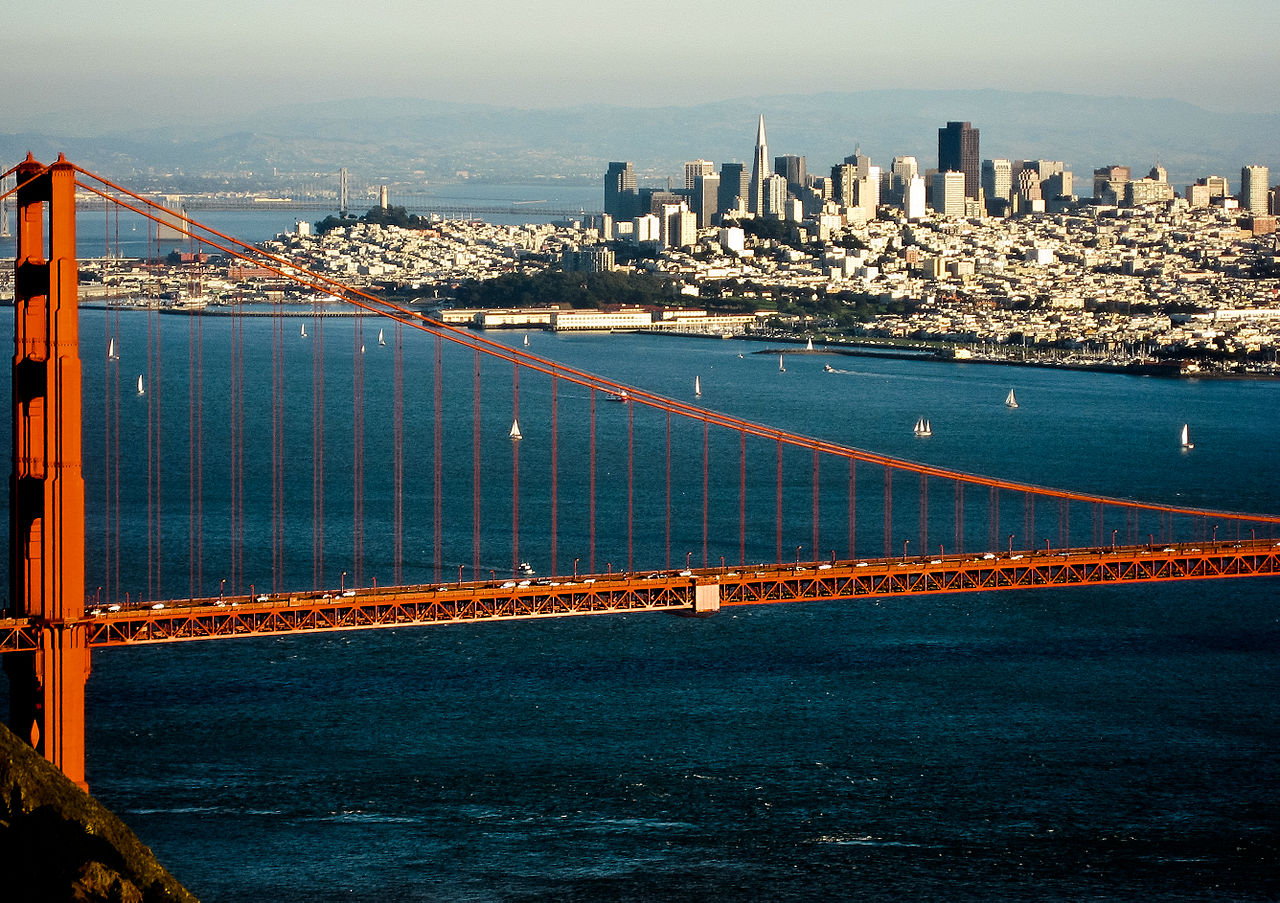
Twitter was founded in 2006 by a team including Jack Dorsey, and grew rapidly into a major platform for news, public figures, and community interaction. The company maintained its headquarters in San Francisco and expanded globally with many millions of users. In 2022 the company accepted an acquisition offer led by Elon Musk valued in the tens of billions of USD, and the platform’s leadership and product direction changed substantially after the takeover.
Uses, cultural role, and examples
Twitter has been used for a wide range of purposes: breaking news and live reporting, political and civic debate, customer service, entertainment, and grassroots organizing. Movements and campaigns often rely on concise messaging and hashtags to mobilize attention. Journalists and researchers use Twitter as a source of eyewitness reports and statements from public figures, while brands and creators use it to reach audiences directly.
Controversies and notable developments
The platform’s influence has brought recurring debates over content moderation, harassment, misinformation, bot activity, and the balance between free expression and safety. Policy changes, algorithm updates, and shifts in verification and monetization strategies have been frequently scrutinized. Since the 2022 ownership change, the service has undergone product, policy and branding shifts that altered how verification, subscription features and moderation are handled.
Key distinctions and practical notes
- Microblogging focus: messages are short and often public, distinguishing Twitter from long‑form blogging platforms.
- Real‑time orientation: the timeline emphasizes recent posts, making it a common place for live updates and rapid dialogue.
- Public conversation tools: hashtags, retweets and mentions enable viral spread and topic discovery.
For further official documentation, technical details and developer resources, refer to the platform’s pages and developer guides via the service’s site links and APIs. Additional background on the founders and corporate history can be found through biographies and reliable technology coverage.
Social networking category • Internet context • Web access • Character limits • Mobile apps • SMS support • Headquarters • Founders • Recent ownership • Acquisition value
Questions and answers
Q: What is Twitter?
A: Twitter is a social networking and microblogging service that allows users to send and read messages, called "tweets".
Q: How long were tweets originally limited to?
A: Tweets were originally limited to 140 characters.
Q: How can users keep their messages private?
A: Users can keep their messages private by sending them only to their list of friends.
Q: What is the process of subscribing to another user's tweets called?
A: The process of subscribing to another user's tweets is called following, and subscribers are known as followers.
Q: Is using Twitter free?
A: Using Twitter is free, but sending or getting tweets by SMS may cost money.
Q: Where is the website based?
A: The website for Twitter is based in San Francisco, California with servers and offices in other U.S. cities such as San Antonio, Texas and Boston, Massachusetts.
Q: When did Jack Dorsey create Twitter?
A: Jack Dorsey created Twitter in 2006 and it has since gained more than 126 million users worldwide.
Related articles
Author
AlegsaOnline.com Twitter (X): overview, features, history and cultural impact Leandro Alegsa
URL: https://en.alegsaonline.com/art/102272
Sources
- twitter.com : "Contact Us"
- bits.blogs.nytimes.com : "Hacker Exposes Private Twitter Documents"
- blog.twitter.com : "Press Info"
- recode.net : "Twitter is giving everyone longer tweets, but you probably won't use them"
- help.twitter.com : "Twitter Lists!"
- help.twitter.com : "Using Twitter With Your Phone"
- economictimes.indiatimes.com : "Twitter snags over 100 million users, eyes money-making"
- business-standard.com : "Swine flu's tweet tweet causes online flutter"
- 140characters.com : "How Twitter Was Born"
- twitter.com : "just setting up my twttr"
- latimesblogs.latimes.com : "Twitter creator Jack Dorsey illuminates the site's founding document"
- gigaom.com : "Odeo RIP, Hello Obvious Corp"
- thedailyanchor.com : "A Conversation With Twitter Co-Founder Jack Dorsey"
- gawker.com : "Twitter blows up at SXSW Conference"
- newsweek.com : "Twitter: Is Brevity The Next Big Thing"