
Bing cherry (Prunus avium 'Bing') — sweet cherry cultivar
Bing is a widely grown sweet cherry cultivar originating in Oregon. Valued for large, firm, dark red fruit, it is a leading table cherry in North America and remains important commercially and horticulturally.
Overview
The Bing cherry is a cultivated variety of the sweet cherry, a member of the species Prunus avium. It is prized for large, firm, glossy fruit with a rich, sweet flavor and is one of the most widely produced table cherries in North America. While most often sold fresh, Bing cherries are also used in processing for freezing, baking and canning.
Image gallery
2 Images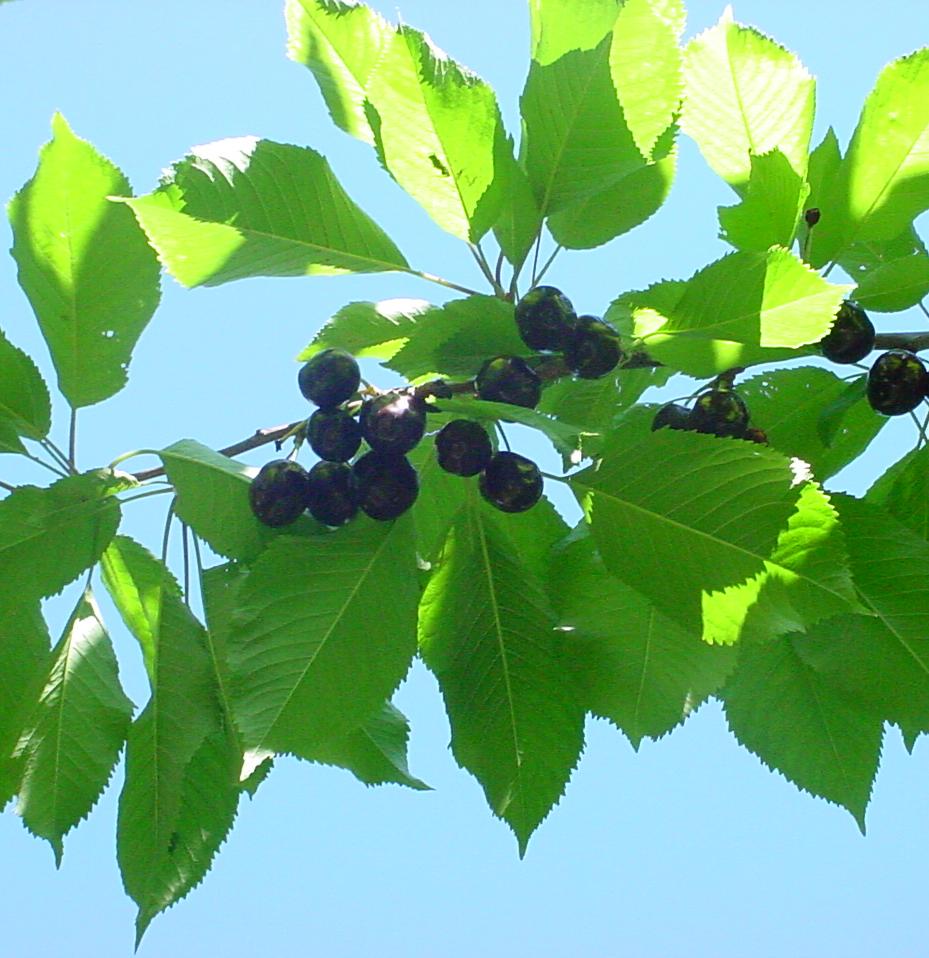

Characteristics
Bing cherries are typically heart-shaped to broadly oblong and mature to a deep red or nearly black color. The flesh is relatively firm and meaty, which helps the fruit withstand handling and short-term storage. Flavor is distinctly sweet with aromatic notes prized by consumers. Common horticultural considerations include susceptibility to rain-induced cracking, sensitivity to mechanical bruising, and a need for careful harvest timing to achieve optimal quality.
Origin and history
The Bing cultivar originated in the Pacific Northwest of the United States, where it was selected and propagated by orchardists and nurserymakers. Its name and early spread are associated with local growers and nurseries in and around Milwaukie, Oregon. Over time the variety dispersed throughout orchard regions in Oregon and Washington and into adjacent Canadian production areas, becoming a benchmark for commercial sweet-cherry production.
Cultivation and orchard management
Bing cherries perform best in temperate climates with adequate winter chilling and a relatively frost-free bloom period. Commercial orchards rely on good site selection, irrigation management, pruning to maintain canopy structure, and carefully timed pest and disease control. Bing is often planted with compatible pollinizer cultivars because cross-pollination by bees or other pollinators is commonly required for reliable yields.
Pests, diseases and postharvest
Growers must manage threats such as bird predation, cherry fruit fly, fungal diseases like brown rot and bacterial canker. Integrated pest management practices, including monitoring and cultural controls, are widely used to reduce losses. After harvest, rapid cooling and refrigerated transport extend shelf life; stems retained on fruit and gentle handling reduce decay and moisture loss.
Uses, market and breeding
Bing cherries are primarily marketed for fresh eating because of their appealing texture and flavor. They are also suitable for baked goods, preserves and freezing. As a historically important cultivar, Bing has served as a reference point in cherry breeding: many newer varieties aim to retain Bing’s eating quality while improving resistance to cracking, disease and mechanical damage.
Further reading and context
For general horticultural terminology see cultivar. Information on the species and its wild relatives is available under Prunus avium. The cultivar’s origin and regional importance relate to the Pacific Northwest, particularly around Milwaukie, Oregon. Commercial context and production history are tied to the United States and to cherry-growing regions in British Columbia.
Questions and answers
Q: What is Bing cherry?
A: Bing cherry is a type of sweet cherry. It is a cultivar of the wild cherry also known as Prunus Avium. It is mostly produced in the Pacific Northwest, United States.
Q: Where did Bing cherry originate from?
A: Bing cherry originated from Milwaukie, Oregon in the Pacific Northwest region of the United States.
Q: What is the most grown variety of sweet cherry in the United States?
A: Bing cherry is the most produced variety of sweet cherry in the United States.
Q: In which areas is Bing cherry a major cultivar?
A: Bing cherry is a major cultivar in Oregon, Washington, and British Columbia.
Q: Is Bing cherry a wild cherry cultivar?
A: Yes, Bing cherry is a cultivar of the wild cherry also known as Prunus avium.
Q: What is cultivar?
A: Cultivar is a farmed type of a plant that has been intentionally bred for certain desirable characteristics or traits.
Q: What makes Bing cherry different from other sweet cherry cultivars?
A: Bing cherry is different from other sweet cherry cultivars due to its large size, dark color, and firm flesh.
Related articles
Author
AlegsaOnline.com Bing cherry (Prunus avium 'Bing') — sweet cherry cultivar Leandro Alegsa
URL: https://en.alegsaonline.com/art/11590
Sources
- oregonprogress.oregonstate.edu : Bing cherries are an American favorite. But who was Bing?
- infoplease.com : Ah Bing
- napavalleyregister.com : "A heritage of farming yields highly praised wines"
- ars.usda.gov : "A Daily Dose of Antioxidants?" in Agricultural Research, March 2008.
- ars.usda.gov : Fresh Cherries May Help Arthritis Sufferers
- fda.gov : List of Firms Receiving Warning Letters Regarding Cherry and other Fruit-Based Products with Disease Claims in Labeling