
Bixa orellana (achiote) — annatto-producing tropical shrub
Bixa orellana, commonly called achiote or annatto, is a tropical American shrub or small tree grown for its red seeds that yield annatto pigment used as food coloring, dye, and traditional condiment.
Overview
Bixa orellana is a tropical plant best known as the source of annatto, a natural reddish-orange pigment extracted from the seeds. Often called achiote in Spanish and urucu in some indigenous languages, the species can grow as a multi-stemmed shrub or a small tree and is cultivated across the Americas and in parts of Asia and Africa. For general botanical information see native range and status and descriptions of its growth form at tree and shrub.
Image gallery
10 Images




Physical characteristics
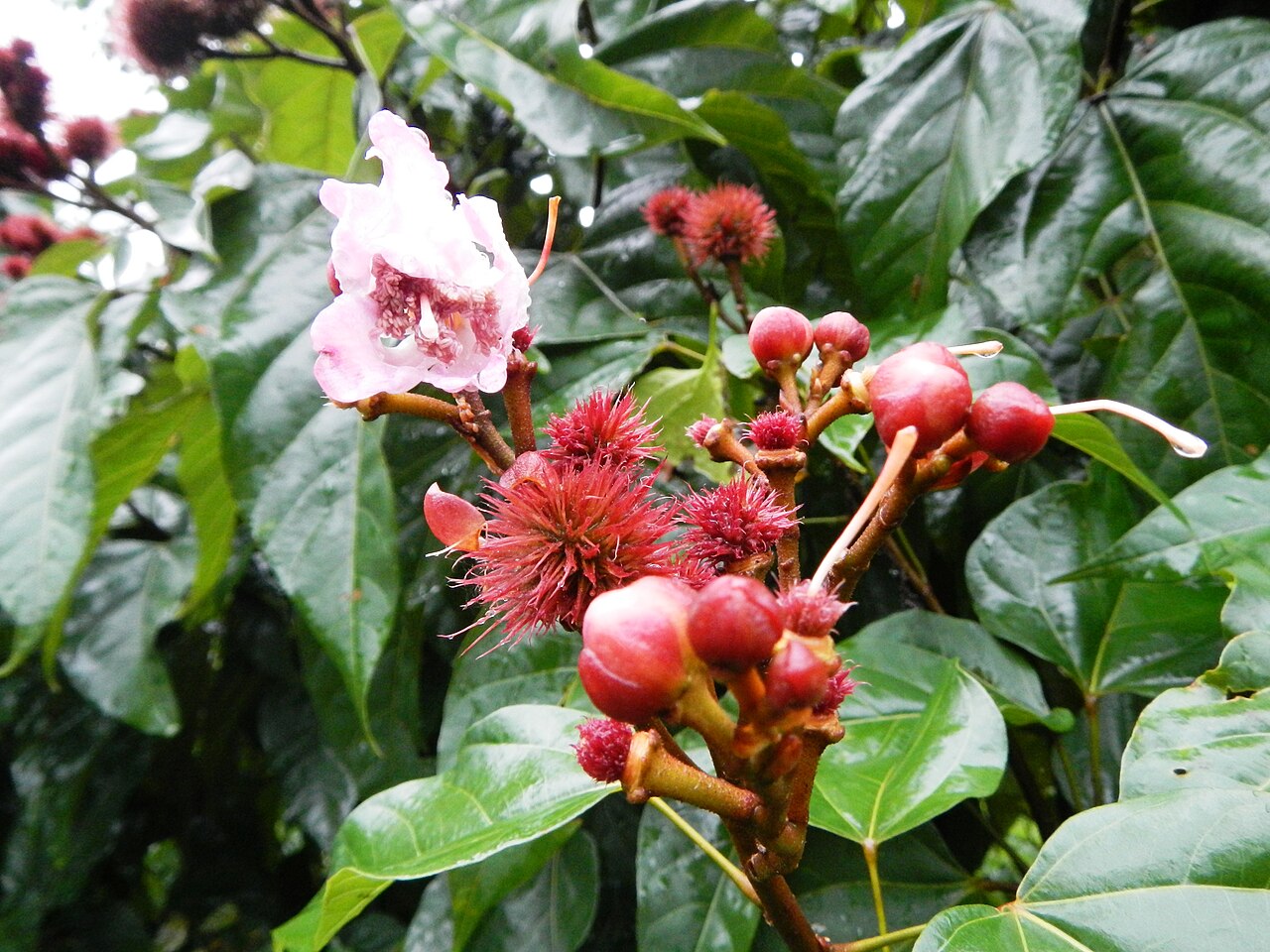
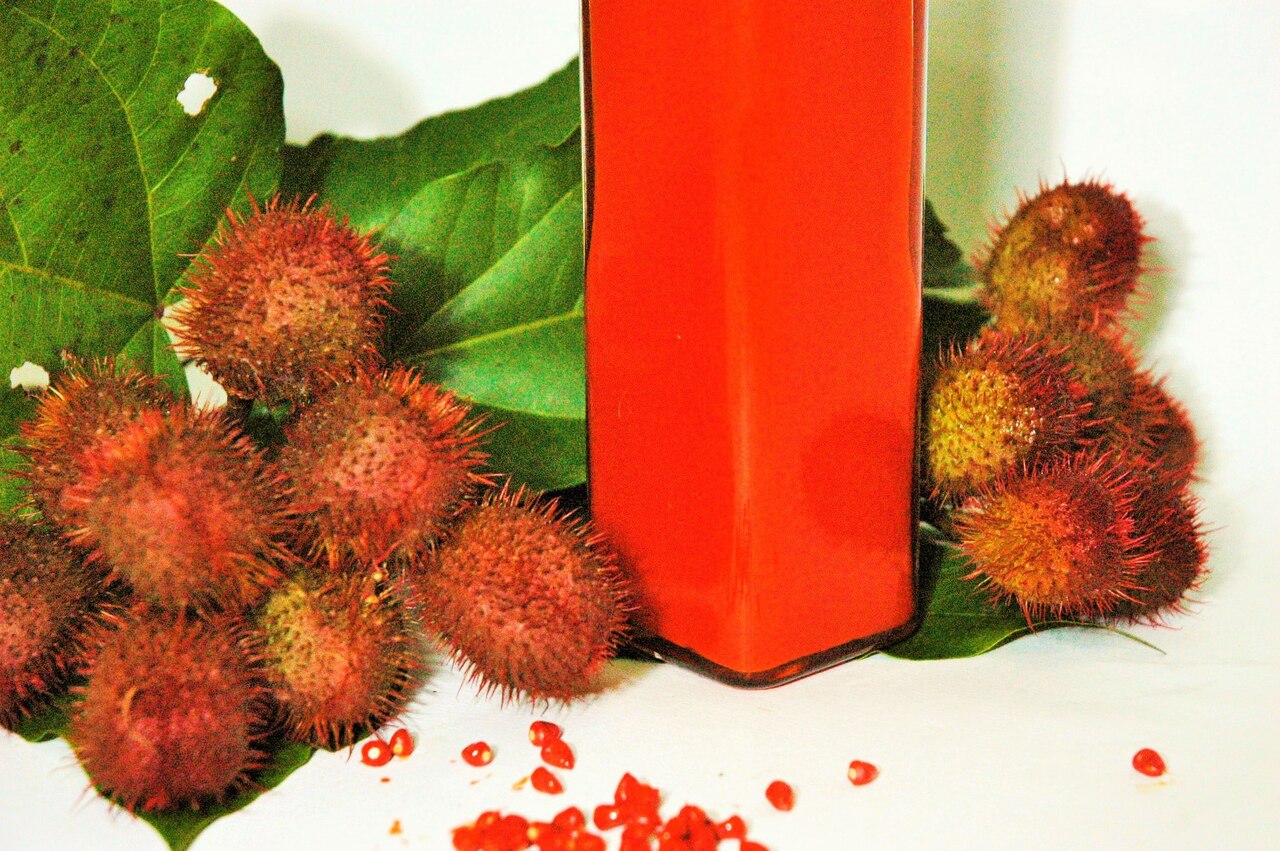
The plant normally reaches a few metres in height and bears clusters of soft pink to coral flowers followed by spherical, spiny fruit capsules. Each capsule contains many flat seeds covered by a vivid red aril — the portion processed to produce annatto. The pigment compounds include the carotenoid bixin and related molecules that are oil-soluble and, after processing, water-soluble derivatives. For details on seeds and fruit anatomy consult fruit and seed descriptions.
History and distribution
Bixa orellana is native to tropical regions of the Americas, where indigenous peoples used its seeds as a dye, body paint and food coloring for centuries. The common name achiote derives from the Nahuatl word achiotl, and the plant is also known by Tupi-language names such as urucu; see cultural and linguistic notes at Nahuatl origins. European contact and later trade spread the plant beyond the Americas; it was introduced into parts of Southeast Asia and other tropical areas during the colonial era (historical introductions and modern distribution).
Uses and importance
Annatto extracted from the seed arils has wide uses. In cuisine it is a mild coloring and flavoring agent in Latin American, Caribbean and Filipino dishes, where ground seed paste or infused oil forms the base of marinades and spice blends. Commercially, annatto is an important natural colorant for cheeses, butter, snacks and processed foods; in regulatory contexts it is often identified as a food colorant (industry codes such as E160b are commonly associated with annatto). Traditional and non-food uses include textile dyeing, cosmetics and body painting.
Cultivation and production
Bixa orellana is usually grown from seed in warm, frost-free climates. Plants tolerate a range of soils but prefer well-drained sites and full sun. Harvesting focuses on mature fruit capsules, which are opened and their seeds collected and dried; further processing yields powders, pastes or oils containing the pigment. Small-scale and artisanal production remains important alongside commercial extraction facilities.
Notable facts and distinctions
- Annatto is valued as a natural alternative to synthetic dyes and is used both for color and mild flavoring.
- Different preparations — whole seeds, pastes, powders or oil extracts — serve distinct culinary and industrial purposes.
- Cultural significance: seed pigment has been used as body paint and in ritual contexts by indigenous communities for generations.
For additional botanical, cultural and processing information consult specialized sources and regional guides: see entries on cultivation and uses at plant databases, horticultural resources and historical accounts at colonial plant introductions. Further practical notes about culinary use and seed handling can be found at processing guides and regional food culture pages at Southeast Asian uses. For linguistic and indigenous context, see Nahuatl and Tupi names.
Related articles
Author
AlegsaOnline.com Bixa orellana (achiote) — annatto-producing tropical shrub Leandro Alegsa
URL: https://en.alegsaonline.com/art/11859