
Alberto Fujimori: President of Peru (1990–2000) and his political legacy
Overview of Alberto Fujimori’s rise, policies, controversies, trials, and legacy in Peru, including Fujimorism, the fight against insurgency, corruption scandals, exile, extradition and family political ties.
Overview
Alberto Fujimori (born July 28, 1938) rose from a background in Lima’s Japanese-Peruvian community to become a central and polarizing figure in late 20th-century Peru. He served as President of Peru from 1990 to 2000, leading a government that combined aggressive economic reform with strong-handed security measures. His tenure reshaped Peru’s institutions and public life, producing both supporters who credit him with stabilizing the country and critics who accuse him of serious human-rights abuses and corruption. Birth date and early life are often noted in biographical treatments; his presidency is widely referenced in discussions of modern Peruvian history (presidency).
Image gallery
6 Images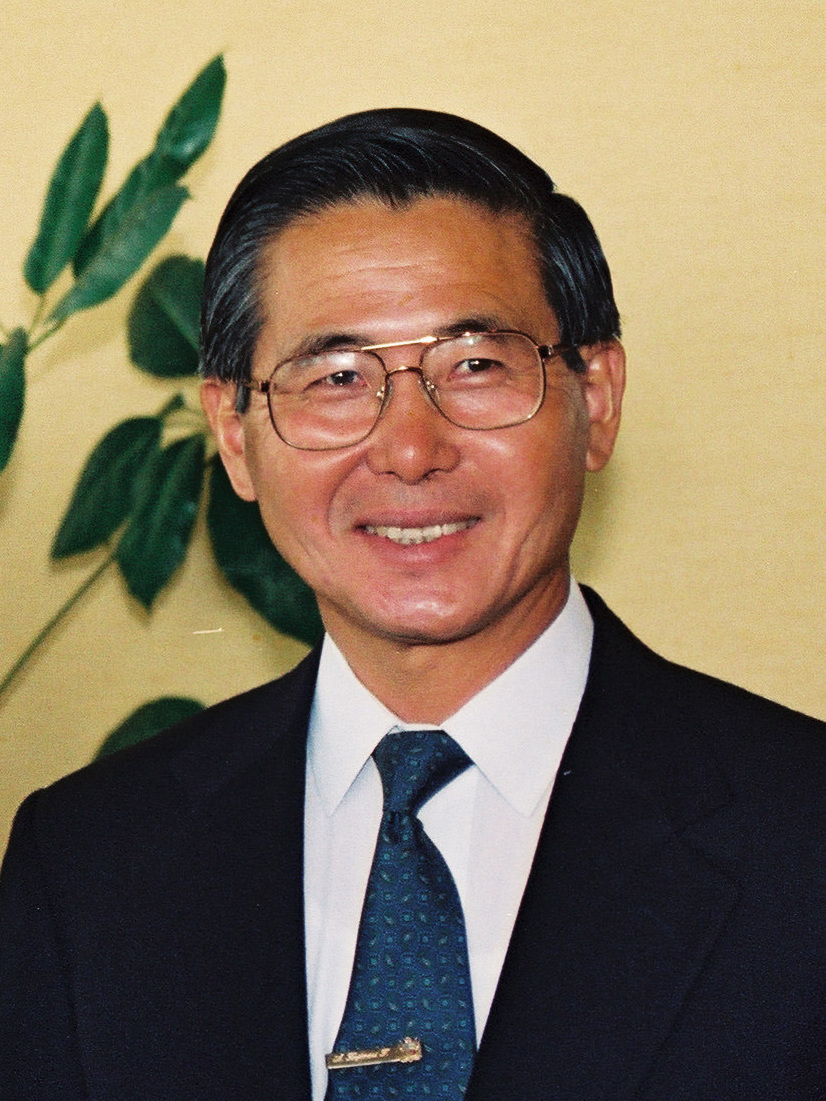



Policies and achievements
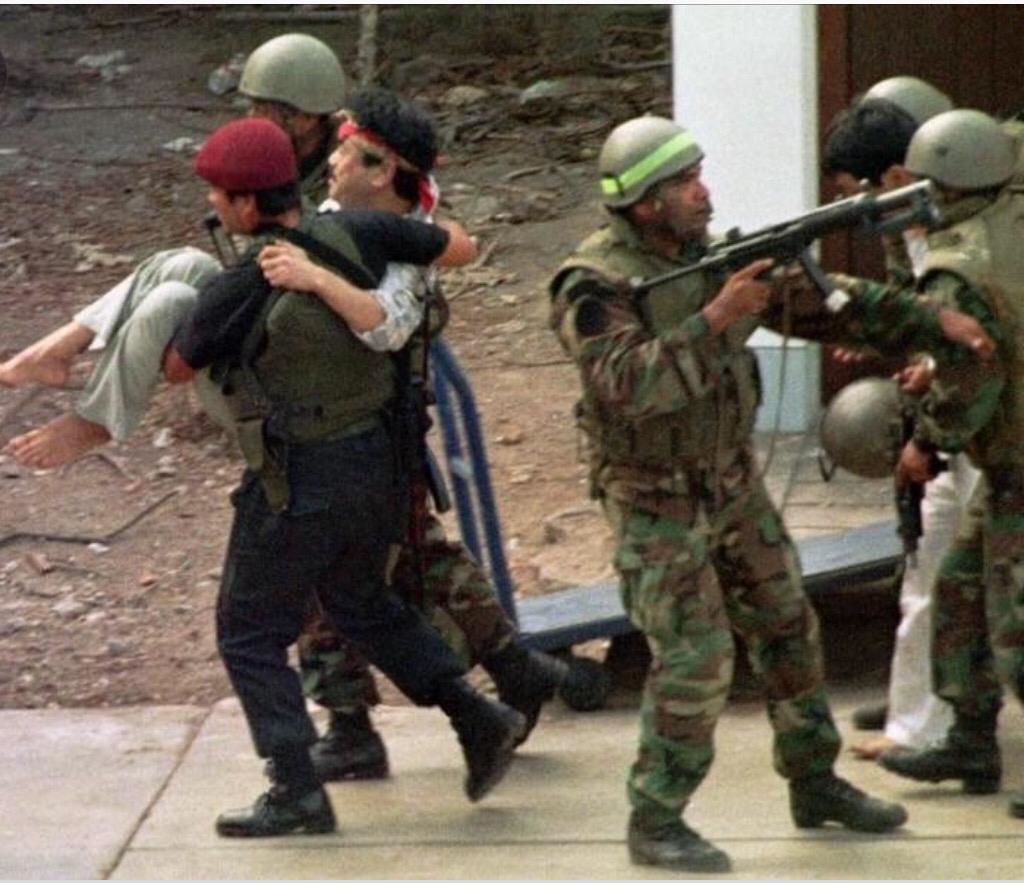
Fujimori’s administration implemented a set of market-oriented economic measures and strong counterinsurgency policies that supporters say halted hyperinflation and diminished the threat posed by the Shining Path guerrilla movement. Observers have described this combination as the basis of a political tendency called "Fujimorism," which blended economic liberalization with populist and authoritarian practices. Analysts credit the 1990s government with restoring macroeconomic stability (macroeconomic policy), negotiating a peace agreement with Ecuador (border peace), and reversing economic decline after the previous administration (economic recovery) under Alan García (predecessor).
Authoritarian measures and controversies
Fujimori’s rule also included contentious measures that alarmed democratic institutions: most notably the 1992 self-coup in which he dissolved Congress and restructured the judiciary, and the use of powerful intelligence and security forces in anti-insurgency operations. His government faced allegations of human-rights violations and later prosecution for abuses alleged to have occurred during his presidency (human-rights charges). The administration’s intelligence chief, Vladimiro Montesinos, became the focus of a major corruption scandal and revelations about illegal surveillance, bribery and illicit operations (Montesinos).
Flight, exile, and legal process
Amid mounting scandal and after the collapse of his political coalition, Fujimori traveled to Japan and submitted his resignation from abroad; his Japanese ancestry and citizenship complicated immediate legal action by Peruvian authorities (Japan) and raised questions about diplomatic protection (citizenship issues). The Peruvian Congress appointed an interim president, Valentín Paniagua, to lead a transition (interim government), and Congress assumed authority during the crisis (Congress).
Extradition, trials and later developments
After years in Japan, Fujimori was detained in Chile in 2005 (detention) and later extradited to Peru (extradition). The Peruvian state pursued criminal proceedings against him (state prosecutions), and courts put him on trial for corruption and human-rights violations (trials). He was convicted in multiple cases and received prison sentences. In December 2017 President Pedro Pablo Kuczynski issued a controversial humanitarian pardon (pardon) that was later challenged and led to renewed legal and public debate.
Legacy and family
Fujimori’s legacy remains sharply divided: many Peruvians credit his government with defeating insurgency and restoring order, while others emphasize the erosion of democratic practices and documented abuses. His political movement continues to influence Peruvian politics through parties and personalities, and his daughter, Keiko Fujimori, has been a leading political figure who ran for the presidency multiple times and led a major conservative party (Keiko Fujimori). Major events and turning points during and after his rule are frequently discussed in studies of Latin American governance, transitional justice and the balance between security and civil liberties.
Key events (summary)
- 1990: Fujimori elected president.
- 1992: Self-coup and institutional restructuring.
- 1990s: Economic reforms and counterinsurgency operations.
- 2000: Political scandal, resignation and flight to Japan.
- 2005–2007: Detention in Chile and extradition to Peru.
- Post-2007: Trials, convictions and later legal controversies.
For further reading, consult comprehensive histories and legal analyses that place Fujimori’s decade-long rule in the broader context of Peruvian social, economic and institutional change.
Related articles
Author
AlegsaOnline.com Alberto Fujimori: President of Peru (1990–2000) and his political legacy Leandro Alegsa
URL: https://en.alegsaonline.com/art/113543
Sources
- theguardian.com : "Peru's jailed ex-president Alberto Fujimori pardoned, sparking protests"