
Pedro Pablo Kuczynski (PPK) — Peruvian economist and politician
Pedro Pablo Kuczynski (PPK) is a Peruvian economist and politician who served as prime minister (2005–2006) and president (2016–2018). His tenure combined technocratic policies with controversy and a resignation amid scandal.
Overview
Pedro Pablo Kuczynski Godard (born 3 October 1938), commonly known by his initials PPK, is a Peruvian economist, public administrator and politician. He built a career in international finance and public service before entering national politics. Kuczynski served as Prime Minister of Peru from 2005 to 2006 and was elected the 66th President of Peru, serving from 2016 until his resignation in 2018. He is widely recognized for his technocratic approach and pro-market orientation, as well as for the political controversies that ended his presidency.
Image gallery
7 Images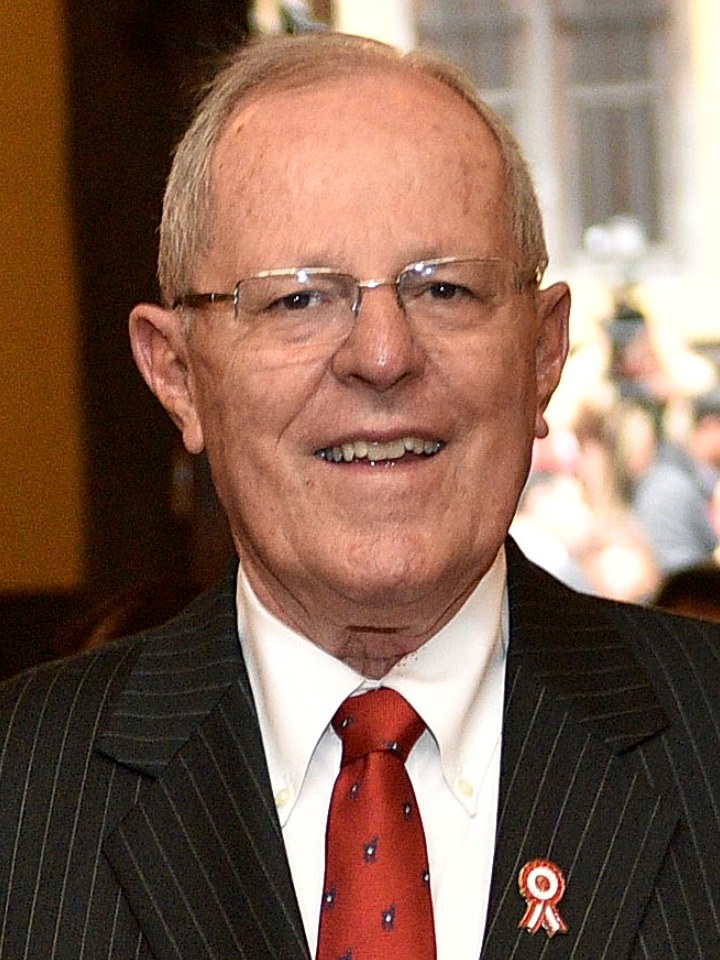




Background and career
Kuczynski trained and worked as an economist and international consultant, combining periods in the private sector with roles in public administration. He gained experience in banking, international development and fiscal policy, activities that shaped his reputation as a policy-focused leader. Throughout his career he emphasized macroeconomic stability, foreign investment and infrastructure development as engines of growth for Peru. His professional identity is often summarized simply as an economist.
Political rise and major offices
Kuczynski entered higher-level Peruvian politics after years in economic roles, holding senior cabinet responsibilities and advising administrations. He led the cabinet as Prime Minister in the mid-2000s and later campaigned successfully for the presidency. In 2016 he won a tightly contested election and took office as President of Peru. Key positions held include:
- Prime Minister and senior ministerial roles (mid-2000s)
- President of Peru (2016–2018)
- Various posts in finance, international consulting and the private sector
Policies and governance
As president, Kuczynski promoted policies intended to attract private investment, expand infrastructure projects and maintain macroeconomic stability. His administration prioritized public-private partnerships for roads, energy and social infrastructure, and sought continuity with market-friendly economic management. Supporters described his approach as pragmatic and technical; critics argued it favored business interests and did not sufficiently address inequality and corruption challenges.
Controversies and resignation
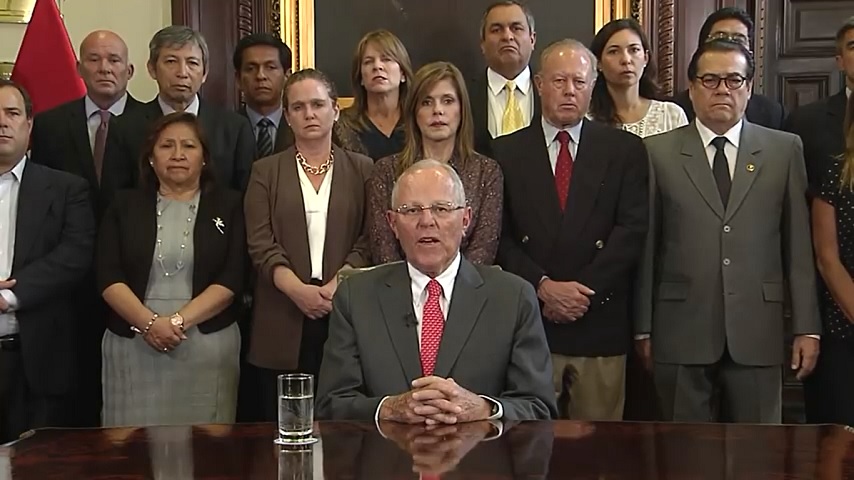
Kuczynski's term was marred by allegations related to the wider Odebrecht corruption scandal and by domestic political crises. Accusations of links to payments from the Brazilian construction firm and the disclosure of recorded conversations and videos involving congressional actors heightened tensions. Facing an impeachment process and dwindling political support, he submitted his resignation in 2018. His departure led to the vice president assuming the presidency and prompted renewed debate about transparency and accountability in Peruvian politics.
Legacy and notable facts
PPK remains a polarizing figure in Peru: acknowledged for his economic expertise and international experience, criticized for controversial choices and the circumstances of his exit from office. His career illustrates the intersection of technocratic governance and volatile party politics in contemporary Latin America. For background on his professional and political roles, see resources labeled as economist, President of Peru and Prime Minister of Peru.
Author
AlegsaOnline.com Pedro Pablo Kuczynski (PPK) — Peruvian economist and politician Leandro Alegsa
URL: https://en.alegsaonline.com/art/128393